Jay-Z Steps From Super Bowl Producer to Headliner for 2027 Halftime Show
Inglewood, Tuesday, 27 October 2026.
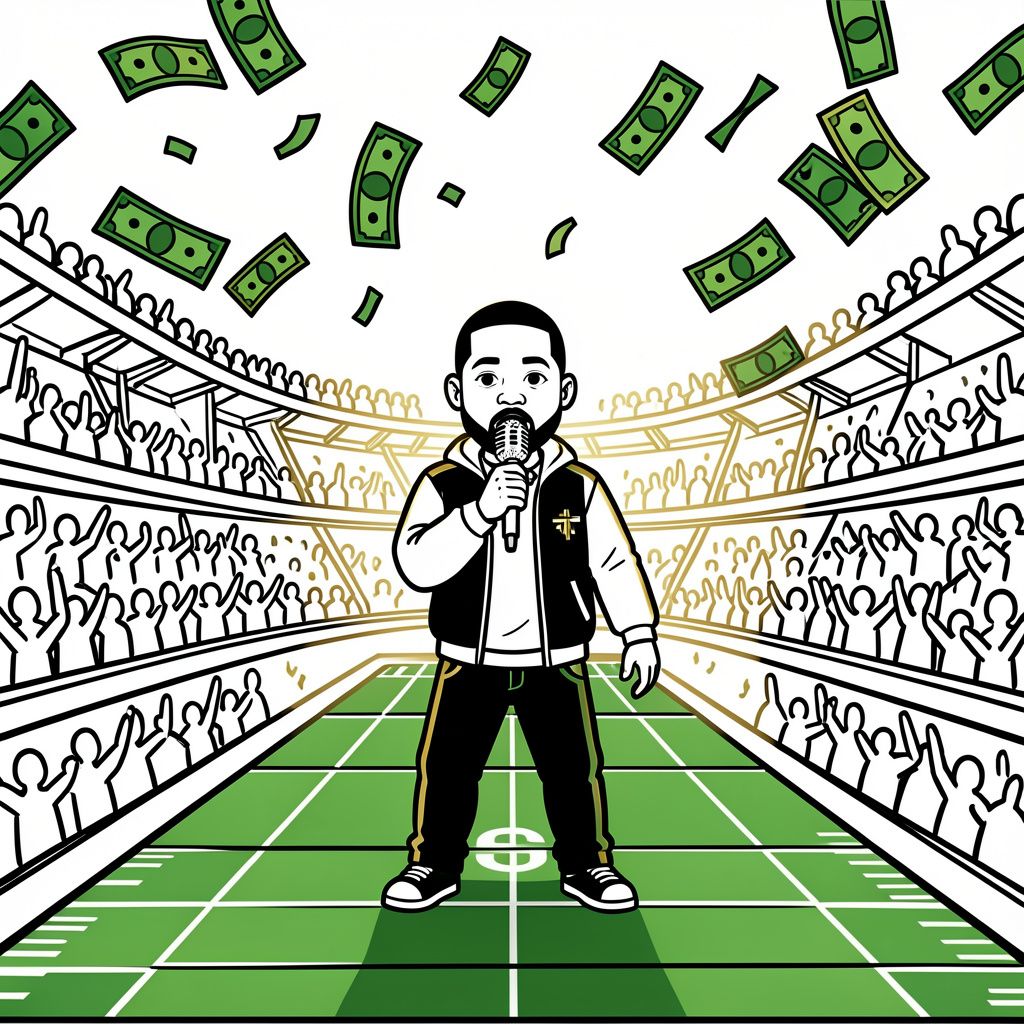
After producing the NFL showcase since 2019, Jay-Z has chosen himself to headline Super Bowl LXI in 2027, leveraging television’s most valuable stage for his own brand.
A Historic Shift in Super Bowl Halftime Show Dynamics
The National Football League confirmed on Monday, October 26, 2026, that Jay-Z will headline the Super Bowl LXI Halftime Show at SoFi Stadium in Inglewood, California, on Sunday, February 14, 2027 [1]. This marks a historic transition for the iconic broadcast, as Jay-Z moves from producer to headliner in the NFL’s most-watched non-game event. The announcement, made during the Monday Night Football game between the Dallas Cowboys and Philadelphia Eagles, underscores the growing commercial and cultural significance of the halftime show as a standalone entertainment spectacle [1]. For brand marketers, the decision represents an unparalleled opportunity to align with one of the most influential figures in music and sports entertainment.
Jay-Z’s Strategic Leveraging of the NFL’s Premier Platform
Since Roc Nation entered into a groundbreaking partnership with the NFL in 2019 to produce the halftime show and oversee live entertainment strategy, the league has transformed the event into a global phenomenon [4]. Past headliners like Shakira, Jennifer Lopez, The Weeknd, Rihanna, Usher, Kendrick Lamar, and Bad Bunny have drawn massive viewership—Bad Bunny’s 2026 performance alone garnered 128.2 million viewers, ranking fourth all-time among halftime shows [2]. Jay-Z’s decision to headline reflects not only his personal ambition but also Roc Nation’s strategic influence in shaping the NFL’s entertainment future. Industry insiders suggest his selection was an inevitable culmination of years of behind-the-scenes curation, with anonymous sources calling it a move driven by “every favor” called in from the music industry [2].
A Star-Studded Stage: Speculation and Cultural Impact
While Jay-Z has not officially confirmed guest appearances, speculation is rampant that the stage may feature a constellation of legends. Beyoncé, his wife and former halftime headliner (Super Bowl XLVII in 2013), is widely expected to join him [2][7]. Other names floated by insiders include Rihanna, Alicia Keys, Usher, and Nas, with Taylor Swift notably excluded from the mix [2]. Such a lineup would represent more than a performance—it could be a generational convergence of hip-hop, R&B, and pop culture, potentially drawing a viewership rivaling historical highs like Michael Jackson’s 1993 performance (133.4 million viewers) or Usher’s 2024 show (129.3 million) [2]. The cultural weight of this moment is amplified by Jay-Z’s recent 30th anniversary tour, which included sold-out shows at SoFi Stadium and featured special guests like Blue Ivy Carter, John Legend, and Dr. Dre [1].
Brand and Audience Engagement in a New Era of Sports Entertainment
For sponsors and media partners, Jay-Z’s headlining role signals a shift in how brands approach the halftime show. Traditionally a platform for pop stars, this year’s performance is poised to attract a more diverse, hip-hop-centric audience while maintaining mass appeal. The convergence of live sports, music streaming (via Apple Music), and social media amplification creates a unique ecosystem for advertisers. With the Super Bowl broadcast reaching over 128 million viewers in 2026 [2], the commercial value of aligning with Jay-Z—whose personal brand spans music, fashion (Roc Nation), sports (NBA partnerships), and social justice (Inspire Change initiative)—cannot be overstated [4]. As Jay-Z himself noted during his recent SoFi concerts, the era of AI-generated misinformation calls for heightened audience discernment, a theme that may resonate with both fans and marketers navigating the authenticity of modern entertainment [6].
From Producer to Performer: A Cultural Turning Point
Jay-Z’s move from behind the curtain to center stage is more than a personal milestone—it reflects the NFL’s evolving relationship with Black culture, music, and urban entertainment. Since 2019, Roc Nation has advised the league on live music and social justice initiatives, positioning the NFL as a progressive force in sports entertainment [4][7]. Yet Jay-Z’s self-selection has not been without controversy. Social media backlash emerged immediately after reports surfaced, with critics questioning the move’s authenticity [6]. Jay-Z responded during a SoFi performance, invoking themes of AI and misinformation, urging fans to trust their own eyes and ears: “You got eyes. You can see. You got ears. You can hear.” [6]. Whether seen as bold leadership or calculated branding, his decision undeniably reshapes the narrative of the halftime show—once a secondary act, now a headline act in its own right.
Sources
- www.nfl.com
- www.yahoo.com
- www.reddit.com
- www.nfl.com
- www.facebook.com
- brobible.com
- www.yahoo.com
- t2online.in
- www.facebook.com