How Kraft Heinz Plans to Win Back Budget-Conscious Supermarket Shoppers
Chicago, Thursday, 17 September 2026.
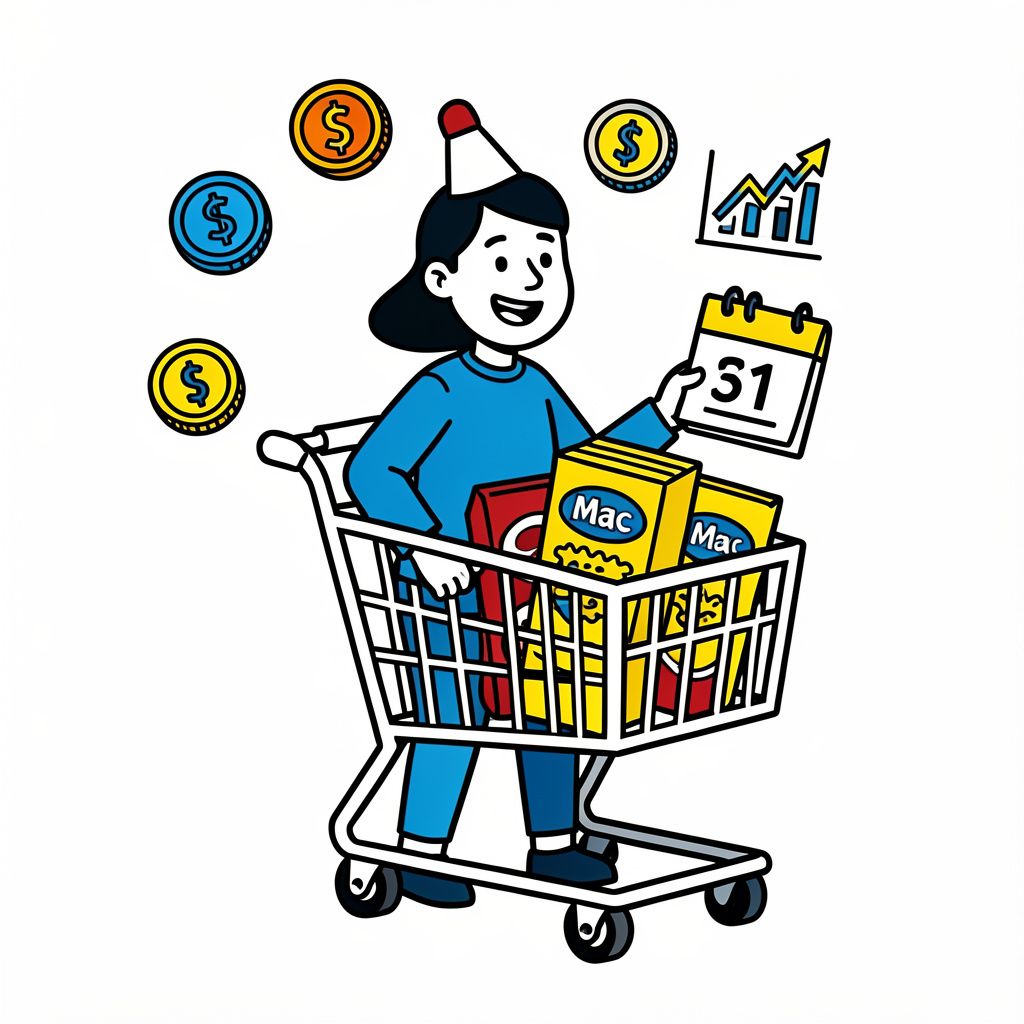
To combat inflation and private-label competition, Kraft Heinz is targeting discounts at the start of each month when consumer purchasing power peaks, alongside strategic product redesigns.
Strategic Timing for Consumer Savings
Kraft Heinz Company (NASDAQ: KHC) is adjusting its promotional strategy to align with the monthly cash flow cycles of cost-conscious households [1]. Chief Executive Officer Steve Cahillane, who assumed leadership in January 2026, advised that consumers often find better purchasing power at the beginning of each month when budgets reset [2]. During media appearances on September 16, 2026, Cahillane highlighted that government benefits such as SNAP are typically distributed during this period, increasing consumer comfort for spending [2]. The company plans to collaborate with retail partners to synchronize discounts with these high-activity windows rather than relying on broad price cuts [1]. This targeted approach aims to maintain brand equity while addressing the immediate affordability concerns facing American families [4].
Portfolio Adaptation and Product Reformulation
In response to shifting consumer preferences, the conglomerate is reformulating products to remove artificial ingredients and offer cleaner labels [1]. Throughout 2026, the company introduced lactose-free Philadelphia Cream Cheese and higher-protein versions of Kraft Mac & Cheese to meet demand for healthier options [1]. To address price sensitivity without devaluing the brand, Kraft Heinz has also utilized smaller packaging sizes, such as 237 mL bottles, to lower the absolute price point at the shelf [2]. The scale of the company’s operations remains massive, with reports indicating the sale of two million bottles of ketchup daily [3]. This production volume suggests an annual output of approximately 730.000 million bottles, underscoring the logistical importance of maintaining consumer trust [3].
Market Pressures and Sales Performance
The strategic pivot comes as the company navigates a challenging economic environment characterized by years of high inflation [4]. Research from McKinsey indicates that 85% of U.S. consumers now perceive private-label grocery products as equal to or better than name-brand alternatives [2]. Consequently, Kraft Heinz reported that its 2025 net sales in North America fell approximately 5% compared to 2024 [2]. Cahillane acknowledged that relying on nostalgia is insufficient to secure shelf space in the current climate [1]. The organization recognizes that consumers have a finite amount of dollars available for food budgets each month [2].
Commitment to Safety and Quality Standards
Despite the focus on affordability and labeling, leadership emphasizes that product safety remains the highest priority [1]. Cahillane stated that rigorous quality controls are implemented to ensure all food products are safe for consumption [1]. The company has committed to removing all artificial dyes from its food products by 2027 [1]. This long-term goal supports the broader strategy of meeting consumers where they are regarding ingredient transparency [1]. Ultimately, the company aims to earn its place in the shopping basket every day through value and safety rather than legacy status alone [2].