China Opens 134-Kilometer Canal to Shortcut Trade Routes to Southeast Asia
Nanning, Wednesday, 16 September 2026.
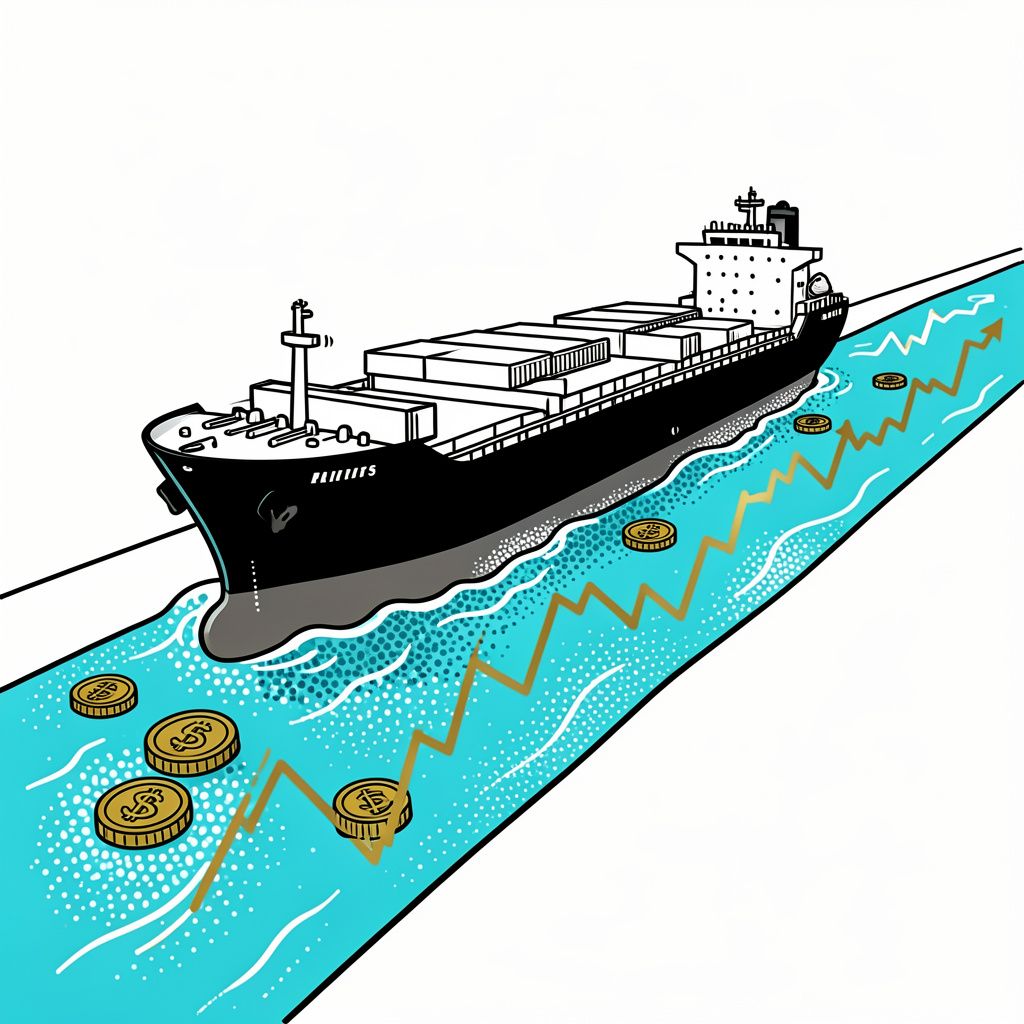
China officially opened the 134-kilometer Pinglu Canal, cutting shipping routes for southwestern provinces by 560 kilometers and saving businesses over $700 million in annual transit costs.
Infrastructure Milestone and Opening Specifications
The 134-kilometer Pinglu Canal officially opened for navigation on Wednesday, 16 September 2026, marking a significant development in China’s infrastructure landscape [1][2]. This waterway connects the Xijiang River corridor to the Beibu Gulf, representing the first major river-to-sea canal project planned at the national level since 1949 [3][4]. Construction efforts began in August 2022 and spanned four years, involving the excavation of approximately 315 million cubic meters of earth and rock [1][4]. The project accommodates vessels with a capacity of up to 5,000 tonnes via three ship locks, facilitating direct access to the sea for landlocked southwestern regions [2][4].
Economic Impact and Trade Efficiency
By providing a direct route to the Gulf of Tonkin, the canal reduces the transport journey for goods from southwestern China by more than 560 kilometers compared to previous routes via Guangzhou [1][3]. State media reports indicate that this reduction in distance lowers logistics costs by 18 to 30 percent, generating annual transport savings exceeding 5 billion yuan [2][4]. In the first half of 2026, bilateral trade between China and Southeast Asia totaled 4.34 trillion yuan, reflecting an 18.2 percent year-on-year increase that the canal aims to support [2][4]. Starting January 1, 2027, the waterway will transition from a free trial period to a transit-fee system of one yuan per tonne of vessel capacity [2].
Strategic Connectivity and Environmental Mitigation
The canal is a key component of the New International Land-Sea Trade Corridor under the Belt and Road Initiative, designed to connect provinces including Yunnan, Guizhou, Chongqing, and Sichuan to global markets [2][4]. To mitigate environmental impact, engineers constructed a 480-meter-long fish passage containing 120 pools at the Qingnian navigation hub to navigate a 10-meter water-level difference [4]. Additionally, the project required the resettlement of 11,228 people across 2,764 households in Guangxi during its development phase [2]. Monitoring efforts since 2025 have recorded significant fish movements, indicating the effectiveness of the ecological mitigation strategies employed [4].