Gen Z Drives Spending in Small Luxuries as Major Purchases Remain Unattainable
New York, Wednesday, 26 August 2026.
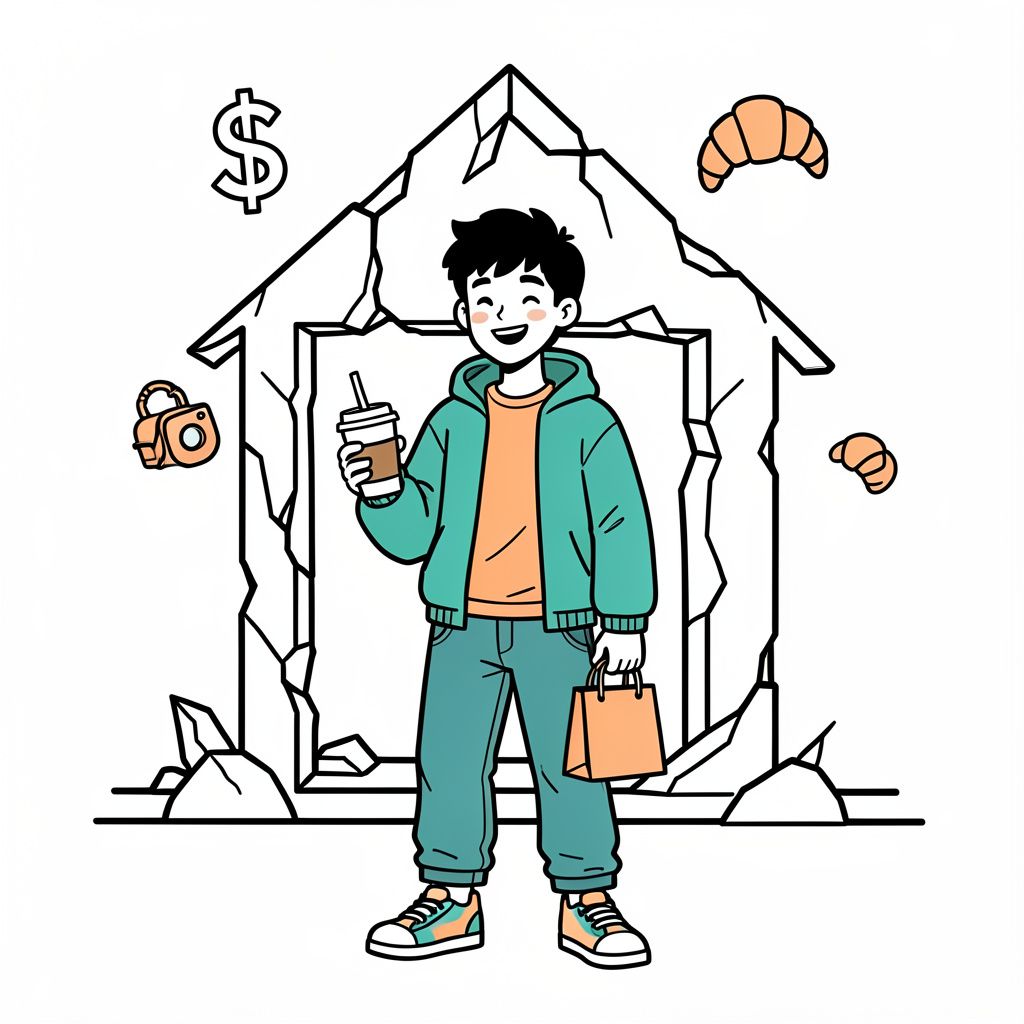
Faced with housing unaffordability and economic stress, Gen Z consumers in August 2026 are prioritizing frequent micro-luxuries over major milestones, reshaping retail and hospitality demand.
Shift to Micro-Luxuries
In August 2026, younger American consumers are increasingly pivoting discretionary spending toward daily micro-luxuries, a trend analysts identify as the ‘little treat economy’ [1]. Faced with ongoing macroeconomic anxieties and housing affordability challenges, Gen Z consumers are discouraging major life purchases like real estate in favor of affordable indulgences such as premium specialty coffee and short-distance travel [1]. Retailers and hospitality brands are subsequently adjusting capital allocation and marketing strategies to capture this steady demand for accessible luxury [1].
Spending Data and Habits
Data from a Bank of America Institute study released in early August 2026 indicates Gen Z leads restaurant spending growth, likely driven by cooling restaurant price growth and rising grocery costs [1]. A 2025 survey by Datassential found 77% of Gen Z purchase a treat at least weekly, outperforming the 66% average across all consumer demographics [2]. Furthermore, a 2025 Circana study of over 1,000 U.S. consumers found 73% consider small indulgences vital to quality of life, with 40% citing an inability to afford larger purchases [1].
Economic Drivers and Housing Market
Experts analyze the little treat economy as a reaction to economic anxiety and the perceived unattainability of major milestones like homeownership [2]. Pamela Liebman, CEO of the real estate firm Corcoran Group, advised consumers to stop spending money on things that are not necessary, highlighting the tension between saving for assets and daily spending [1]. Bank of America data indicates Gen Z is leading restaurant spending growth by a wide margin, driven in part by higher after-tax wage growth despite inflationary pressures [1].
Psychological Factors and Risks
Primary drivers for little treat consumption include surviving a difficult day (48%) and mental health care (36%), according to background data [2]. However, Bank of America’s 2025 Better Money Habits study found that 59% of Gen Z consumers report that frequent small treats lead to overspending [2]. Sunyee Yoon, an associate professor of marketing at the University at Buffalo School of Management, noted that economic anxiety has made many larger rewards, such as buying a home, feel increasingly distant [1].
Strategic Budgeting
Financial experts recommend using a squirrel fund strategy where individuals allocate between 0.5% and 5% of monthly earnings specifically for micro-luxuries to avoid debt [3]. A specific budgeting method involves capping the cost of reward purchases at under 1% of a defined savings goal; for example, reducing daily $6 lattes to a $30 occasional treat saves approximately 150 per month [3]. On 2026-08-22, financial experts advised mitigating the impact of these expenditures by planning purchases in advance and stacking financial incentives such as cashback and loyalty rewards [3].
Conclusion
The little treat trend remains a defining spending habit for Gen Z, tracing cultural roots back to the 2011 Treat Yo’Self episode of Parks and Recreation [2]. While Taylor Bowley, a Bank of America Institute economist, stated many younger consumers want financial stability, they are unwilling to put life completely on hold while waiting for perfect conditions [1]. As of Wednesday, 26 August 2026, the balance between immediate gratification and long-term security continues to shape the economic landscape for younger demographics [1][2][3].