Hull City Owner Threatens Lawsuit Over High-Stakes Championship Playoff Controversy
London, Saturday, 23 May 2026.
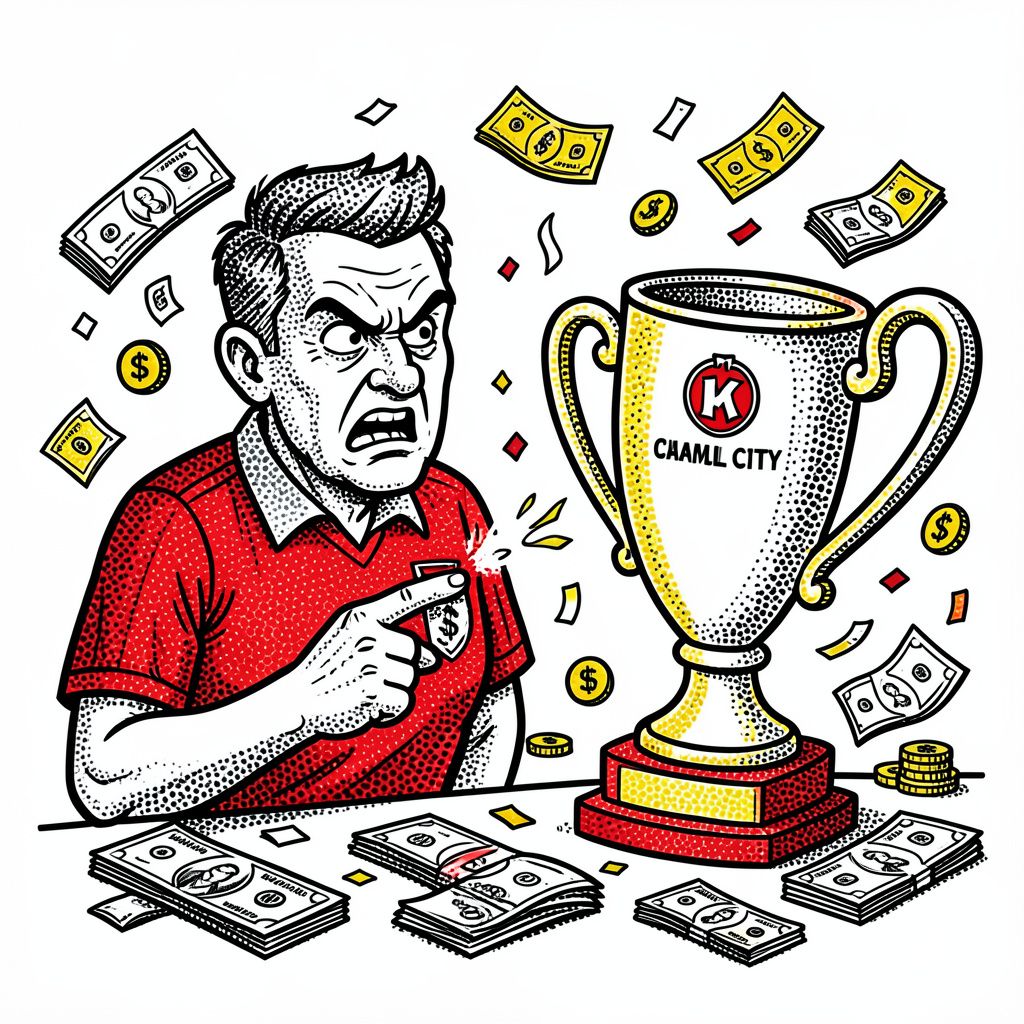
Hull City threatens legal action over the Championship playoff final, fighting to secure the immense financial windfall of the sports world’s richest game following a shocking opponent-spying scandal.
The Multi-Million Pound ‘Spygate’ Disruption
The backdrop to the final at Wembley Stadium on Saturday, May 23, 2026 [alert! ‘BBC reported the final date as May 25, but Sky Sports confirmed the match and broadcast occurred on Saturday, May 23’], was unprecedented in modern English football [1][3]. Southampton was expelled from the playoffs on Tuesday, May 20, 2026, following a damning investigation into a corporate espionage scandal dubbed ‘Spygate’ [1]. The Independent Disciplinary Commission revealed a ‘contrived and determined plan from the top down’ authorized by Southampton’s head coach, Tonda Eckert, to spy on rival training sessions [2]. This included deploying junior staff member William Salt to observe Middlesbrough on May 18, 2026, just two days before their scheduled playoff semi-final [2]. Following an appeal rejection on May 21, Middlesbrough was reinstated, completely upending Hull City’s tactical preparations [1].
Defying the Data to Reach the Summit
From a purely analytical standpoint, Hull City’s presence in the final defied conventional sporting metrics [3]. Expected Goals (xG) data suggested the team should have finished second from the bottom of the Championship table [3]. Instead, they outperformed their expected points tally by 13 points and conceded 16 more goals than the models predicted [3]. Their defense allowed 66 goals during the regular season—more than relegated Oxford United—and goalkeeper Ivor Pandur recorded a save percentage of just 69.2%, placing him outside the league’s top ten [3].
Chaos Off the Pitch, Victory On It
The tension surrounding the controversial fixture spilled over into match day. Ahead of the 15:30 kick-off on Saturday, May 23, 2026, Hull City’s team bus was attacked, resulting in a smashed window [3][4]. Despite the hostile atmosphere and the looming threat of a protracted legal battle over the integrity of the playoffs, the match proceeded with immense pressure on both sides [4]. The stakes were clear: a loss for Hull would not only mean missing out on Premier League riches but would also trigger Ilicali’s promised lawsuit over Middlesbrough’s eleventh-hour reinstatement [1].