How Stricter Banking Rules Are Shifting Loans to Unregulated Lenders
Washington, Thursday, 17 September 2026.
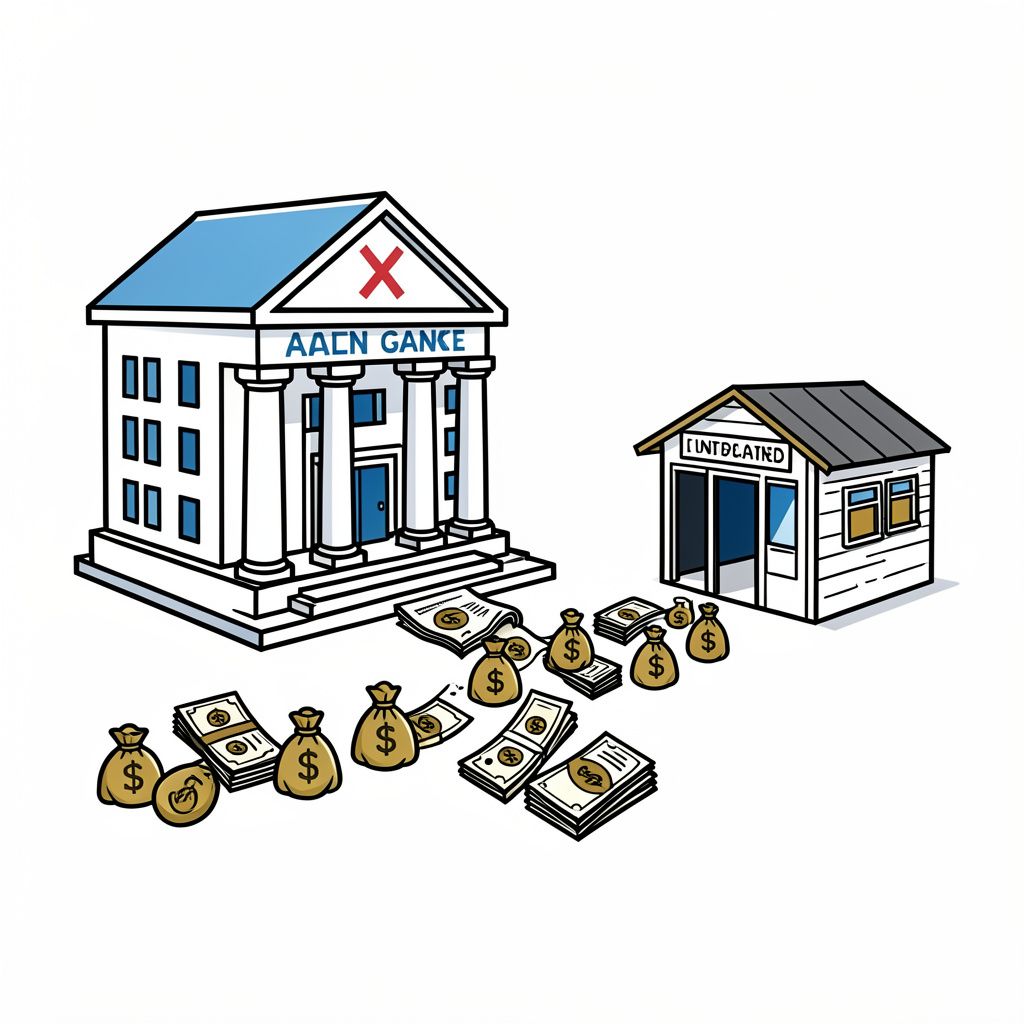
Federal Reserve testimony reveals bank mortgage origination plunged from 60% in 2008 to 35%, as tighter regulations drive traditional lending toward less-regulated non-bank financial institutions.
Regulatory Oversight and Banking Stability
Federal Reserve Vice Chair for Supervision Michelle Bowman addressed the House Financial Services Committee on 17 September 2026, outlining the central bank’s supervisory priorities [1]. While the U.S. banking system remains sound with strong capital ratios, a significant shift in lending activity has occurred over the past two decades [1]. Data indicates that the share of bank-originated mortgages declined to approximately 35% as of 2023, down from about 60% in 2008 [1]. This represents a calculated decrease of -41.667 percent in bank market share over the period [1].
Non-Bank Lending and Risk Management
Non-bank financial institutions (NBFIs) are increasing their share of the lending market, often operating without regulatory standards comparable to traditional banks [1]. Consequently, banks have tightened lending standards for NBFIs due to underwriting and collateral quality concerns [1]. In response to evolving dynamics, federal banking regulators have finalized reforms to the community bank leverage ratio (CBLR) framework to better calibrate oversight for community banks [1].
Future Regulatory Plans and AI
Rapid advancements in frontier AI models are simultaneously improving cybersecurity defense capabilities while creating new vulnerabilities to cyberattacks [1]. To address these challenges, the Federal Reserve plans to release a report on international modernization efforts for public comment later this year [1]. Additionally, the Financial Stability Board’s Standing Committee on Supervisory and Regulatory Cooperation will publish a report on sound practices for AI use in financial institutions next year [1].