Pacific Shipping Risks Rise as $4.7 Billion U.S. Anti-Drug Campaign Surpasses 200 Fatalities
Washington, Saturday, 30 May 2026.
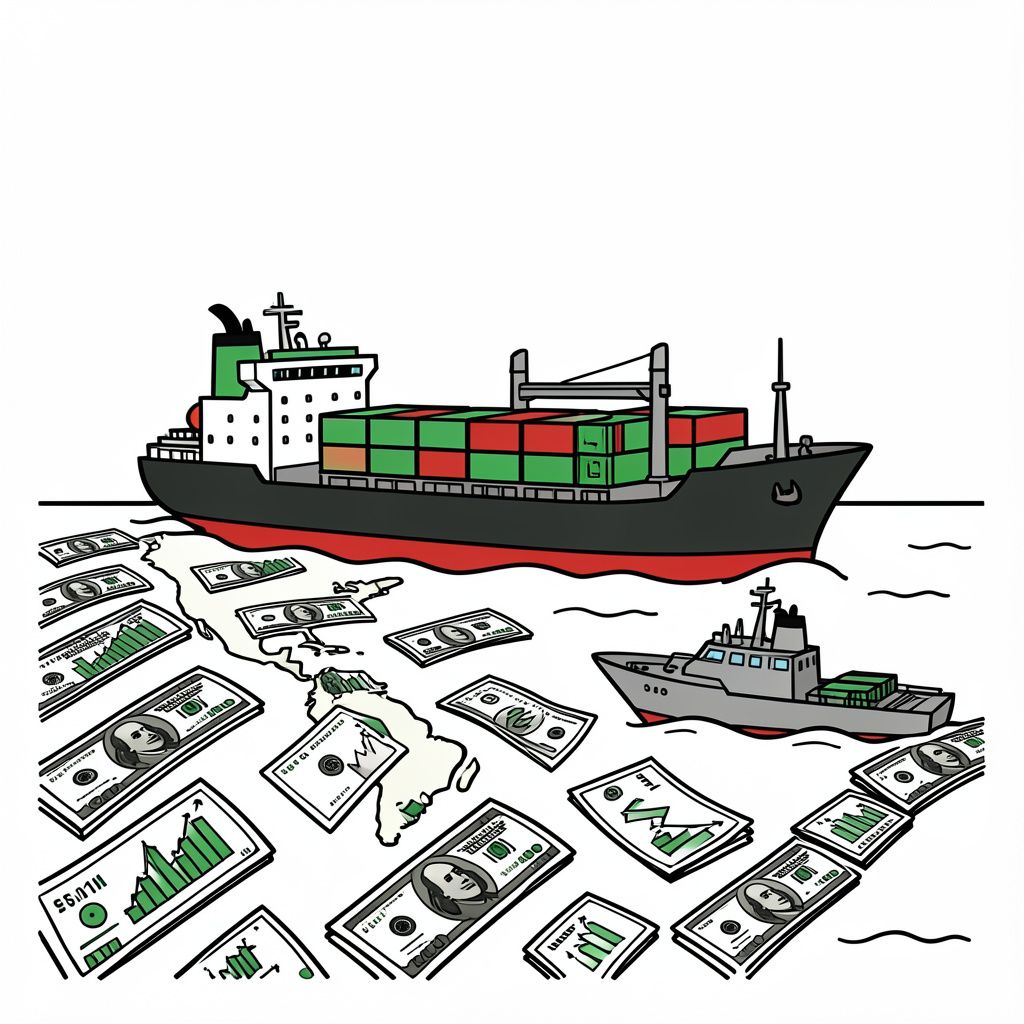
A $4.7 billion U.S. military campaign against alleged Pacific drug vessels has surpassed 200 fatalities, escalating operational risks for commercial shipping without successfully reducing the flow of narcotics.
Escalation in the Eastern Pacific
The Trump administration’s aggressive maritime campaign, which officially commenced on September 2, 2025, has transformed the eastern Pacific Ocean and Caribbean Sea into active conflict zones [1][2]. On Friday, May 29, 2026, the U.S. military executed a lethal strike against a small vessel in the eastern Pacific, resulting in three fatalities [1][2]. This attack followed closely on the heels of another strike on Wednesday, May 27, 2026, which killed two men [2][3]. Cumulatively, these operations have pushed the death toll to at least 202 individuals over a nine-month period [1][2]. Directed by General Francis L. Donovan, the top U.S. commander in Latin America, U.S. Southern Command has characterized the targeted vessels as being engaged in narco-trafficking for designated terrorist organizations [1][2].
Efficacy and Human Rights Concerns
Despite the heavy militarization and high financial cost, the campaign’s core objective—curtailing the influx of illicit drugs into the United States—appears to be failing [4]. A comprehensive evaluation released on May 28, 2026, by a coalition of epidemiologists, addiction scientists, and public health experts concluded that the military strikes have not reduced the availability or flow of South American cocaine [4]. By analyzing metrics such as street prices, lethal overdoses, sample purity, and border seizures, researchers determined that cocaine remains just as accessible in many parts of the U.S. today as it was before the strikes began [4]. From an analytical standpoint, with a reported expenditure of $4.7 billion and 202 confirmed fatalities, the campaign has cost American taxpayers approximately 23.267 million dollars per resulting death [2][4].
Broader Geopolitical and Commercial Implications
The militarization of the eastern Pacific aligns with a broader, more aggressive U.S. defense posture in the region. On May 29, 2026, U.S. Secretary of War Pete Hegseth delivered an address at the Shangri-La Dialogue in Singapore, emphasizing a strategic pivot toward prioritizing “lethal capabilities” and “hard power” in the Indo-Pacific [5]. While Hegseth’s remarks primarily targeted Chinese hegemony and demanded stricter burden-sharing from regional allies [5], the uncompromising rhetoric mirrors the administration’s kinetic approach to the drug war. By deploying advanced military assets to enforce maritime security, the U.S. is signaling a willingness to leverage hard power across all domains to secure its interests [5][GPT].