Missouri Slashes Budget for Dolly Parton’s Free Book Program, Forcing an Enrollment Freeze
Jefferson City, Saturday, 30 May 2026.
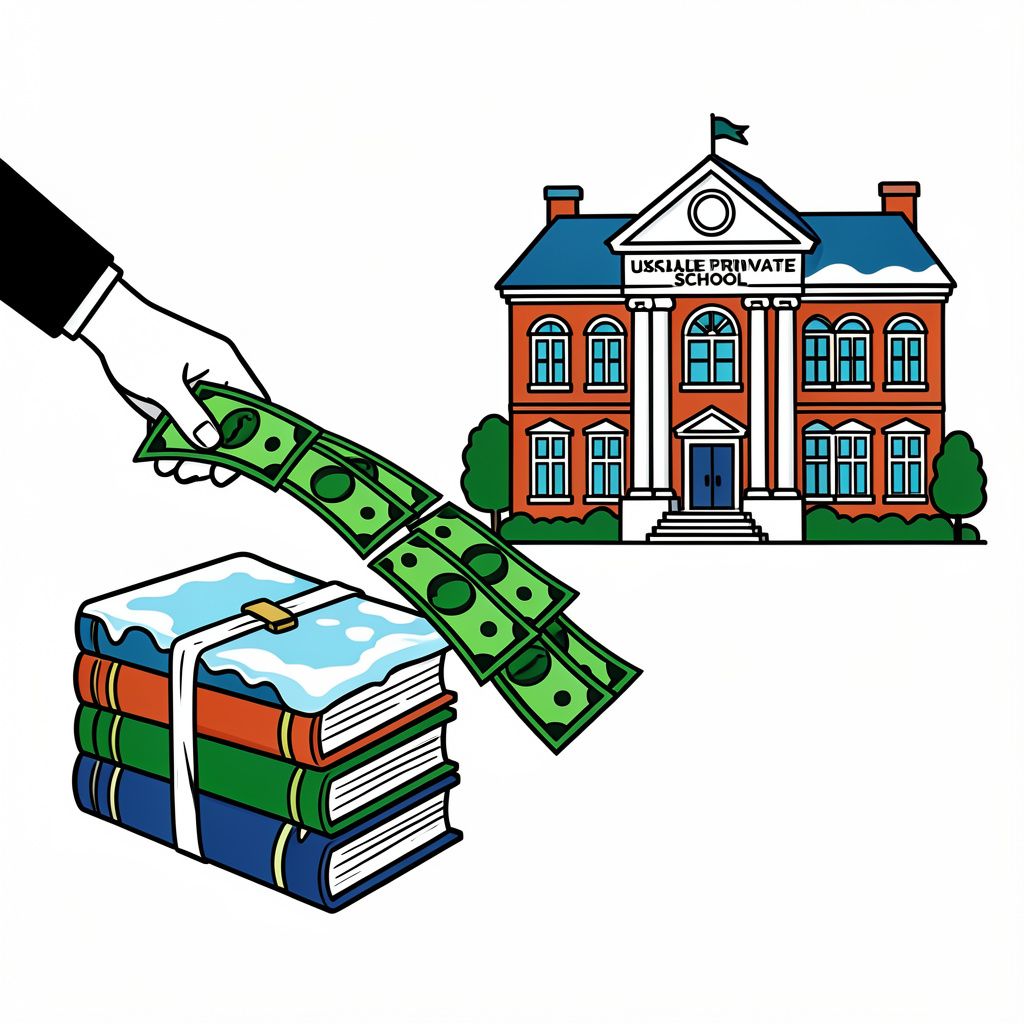
Missouri slashed funding for Dolly Parton’s free book program, freezing new enrollments. Intriguingly, while cutting this early literacy initiative, lawmakers simultaneously boosted private school tuition subsidies by $10 million.
The Fiscal Reality of Missouri’s Budget Constraints
The Missouri state legislature recently reduced funding for Dolly Parton’s Imagination Library by 66.667 percent, dropping the allocation from $6 million in 2025 to $2 million for the upcoming fiscal year [1][2]. Because of this reduction, the Missouri Department of Elementary and Secondary Education announced that the program will stop accepting new children under the age of six beginning July 1, 2026 [1][2]. The program, which mails free books to children monthly, had seen rapid adoption since Missouri implemented it statewide in 2023 [1][2]. As of March 31, 2026, 169,032 children were actively enrolled, representing between 42 percent and 45 percent of the state’s eligible population [1][2].
Shifting Priorities in Education Funding
While early childhood literacy faces contraction, other educational initiatives are seeing substantial financial growth [2]. In the same 2026 budget that slashed the Imagination Library’s funding, the Missouri Empowerment Scholarship Fund—a program designed to subsidize private school tuition—received a $10 million increase [2]. This boost brings the scholarship fund’s dedicated general revenue to $60 million [2]. State Representative Patti Mansur, a Democrat from Kansas City serving on the House Committee on Children and Families, highlighted this discrepancy, noting that legislative rhetoric prioritizing children’s literacy in January often fails to align with the final funding allocations at the end of the session [2].
The Political Cost of Fiscal Dissent
The rejection of increased public school funding highlights the deepening ideological divides within the Missouri legislature [5]. Senator Hough, who frequently broke with party leadership to work across the aisle, faced significant political repercussions during his final session [4][5]. After voting against Republican efforts to limit debate on constitutional amendments and a gerrymandered congressional map during a Fall 2025 special session, Senate President Pro Tem Cindy O’Laughlin removed Hough from his powerful position as chair of the Senate Appropriations Committee [4][5]. This internal fracturing underscores how strict adherence to party lines is increasingly prioritizing specific fiscal conservatism over bipartisan educational investments [5].
The Burden Shifts to Local Communities
With state funding evaporating, the responsibility to maintain early childhood literacy programs is rapidly shifting to local municipalities and private nonprofits [1]. In Kansas City, where only 23 percent of third-graders are currently proficient in language arts compared to the 43 percent statewide average, the stakes are exceptionally high [1]. Kristin Droege, executive director of Turn the Page KC, emphasized that the Imagination Library provides parents with a reliable tool to integrate reading into daily life, helping ensure children do not arrive at kindergarten unprepared [1]. State officials have noted that while the state will halt new enrollments, local initiatives might be able to keep the program active in specific communities if they can secure independent funding [1].
Sources
- www.kansascity.com
- www.yahoo.com
- themissouritimes.com
- mopress.com
- missouriindependent.com
- www.kfmo.com