Trump Proposes Solo United States Bid for Future World Cup
Washington, Sunday, 19 July 2026.
President Trump proposed a solo U.S. World Cup bid, excluding Canada and Mexico, while revealing he successfully lobbied FIFA to overturn an American player’s red card.
A Shift Toward Unilateral Sports Diplomacy
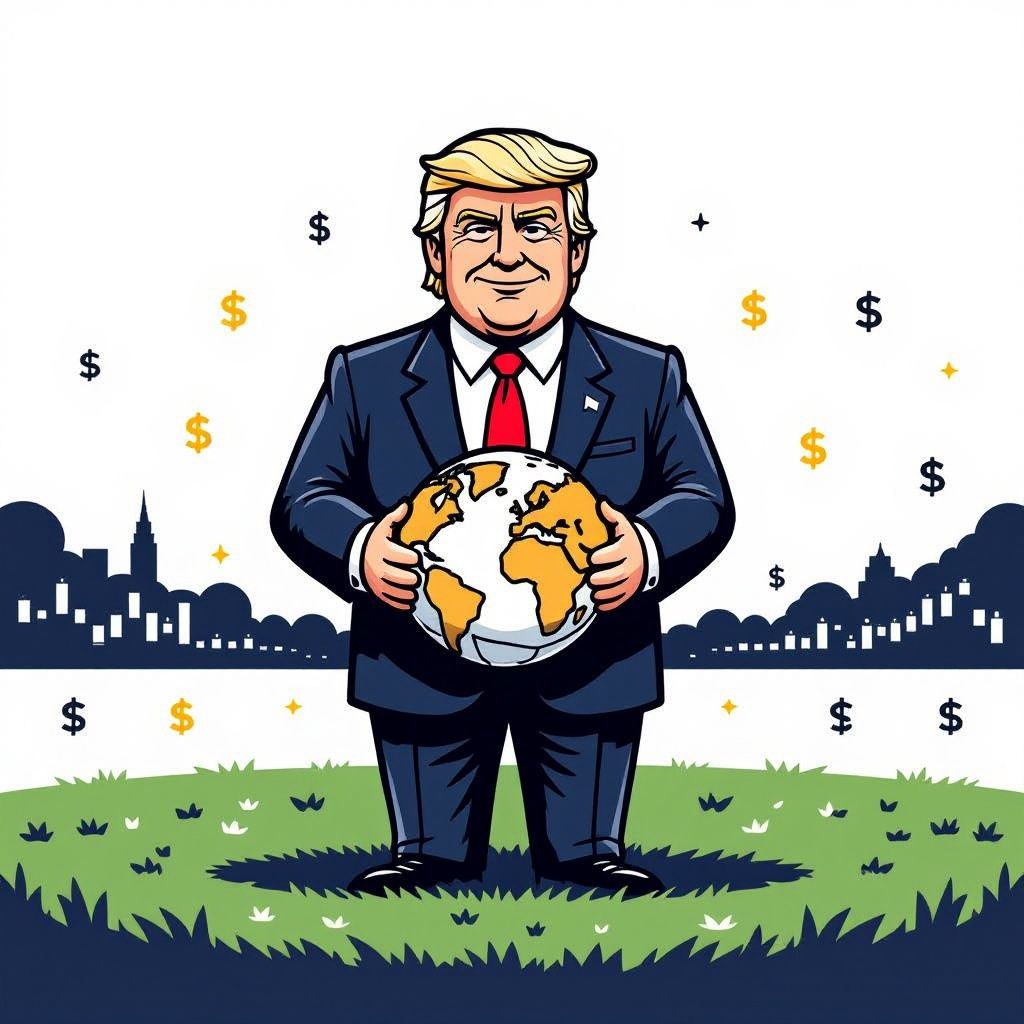
During a FIFA World Cup reception held at Trump Tower in New York City on Friday evening, July 17, 2026, U.S. President Donald Trump proposed that the United States should independently host a future iteration of the soccer tournament [2][3]. Speaking alongside FIFA President Gianni Infantino, the Republican president suggested excluding traditional North American co-hosts Canada and Mexico from any subsequent American bid [1][2][3]. This proposal comes at a symbolic moment, just ahead of the 2026 tournament’s final match between Argentina and Spain, scheduled to take place today, Sunday afternoon, July 19, 2026, at MetLife Stadium in East Rutherford, New Jersey [3][GPT]. Trump, who is scheduled to present the championship trophy to the winning team today, used the Friday reception to advocate for a unilateral hosting model, stating, “You should choose the United States of America again. This time we will leave Canada and Mexico out” [3].
The Economics of Solo Hosting
The prospect of a solo U.S. bid represents a sharp departure from the trilateral hosting structure of the current tournament, which was designed to distribute the immense infrastructural and logistical demands across three nations [GPT]. While a single-country tournament would concentrate billions of dollars in domestic tourism, broadcasting rights, and stadium development entirely within U.S. borders, it also risks complicating regional economic and diplomatic relations with Canada and Mexico [GPT]. Trump’s comments have ignited a debate among sports analysts and municipal planners regarding the financial viability of a solo tournament, especially given the scale of modern 48-team World Cups [1][GPT]. Trump further suggested that after selecting the U.S., FIFA should “pick somebody else” for subsequent tournaments to “take some of the anger, hatred and steam out of everyone” [2][3].
The Bidding Timeline and Geopolitical Feasibility
Any potential solo U.S. bid faces a structured and highly competitive international bidding timeline. The next men’s World Cup available for bidding is the 2038 tournament [2]. FIFA has already locked in the hosts for the upcoming cycles: the 2030 World Cup will be a unique six-country arrangement featuring matches in Spain, Portugal, and Morocco, with opening games in Argentina, Paraguay, and Uruguay to commemorate the tournament’s centennial [2][3]. Meanwhile, Saudi Arabia has been selected to host the 2034 tournament [2]. Because FIFA guidelines dictate that regions hosting recent tournaments must sit out subsequent bidding cycles, North American nations will not be eligible immediately, but both North America and Oceania will be eligible to bid for the 2038 event [2].
Alternative Diplomatic Proposals
During the reception, Trump also revealed a separate, highly unconventional hosting concept proposed by Infantino. According to the president, the FIFA chief suggested a joint bid between the United States and China [2]. Trump reacted to the idea with characteristic irony, joking that players would “have a nice short flight in between games” [2]. While a U.S.-China co-hosting arrangement remains highly speculative, the discourse highlights how major sporting events continue to be utilized as instruments of geopolitical negotiation and soft-power diplomacy by global leaders [GPT].
Controversial Interventions and FIFA Governance
Beyond future bids, the Friday reception placed a spotlight on Trump’s direct intervention in the current tournament’s sporting decisions. Trump acknowledged that he personally called Infantino to lobby against a red card penalty issued to U.S. striker Folarin Balogun during a match against Bosnia and Herzegovina [2][3]. The red card would have triggered an automatic one-match suspension, but following Trump’s “recommendation,” FIFA suspended the ban, allowing Balogun to play in a critical match against Belgium [2][3]. This highly unusual intervention bypassed standard regulatory procedures and drew sharp criticism from soccer fans and officials worldwide, sparking intense allegations of corruption and favoritism within the international sports federation [2][3].
Political Influence on the Pitch
Despite the global backlash, Trump defended the intervention during his remarks, calling the resolution “unforgettable” and arguing that it ultimately prevented controversy [3]. “You know, it was so much better the way it worked out because there’s no controversy,” Trump remarked, praising Infantino for making “another great decision” for which he would “never get credit” [2][3]. As Trump prepares to step onto the pitch at MetLife Stadium today to hand over the World Cup trophy, the intersection of executive political influence and international sports governance remains a highly contested topic [3][GPT].