Trump Threatens Canada With Tariffs Over Drifting Wildfire Smoke
Washington, Friday, 17 July 2026.
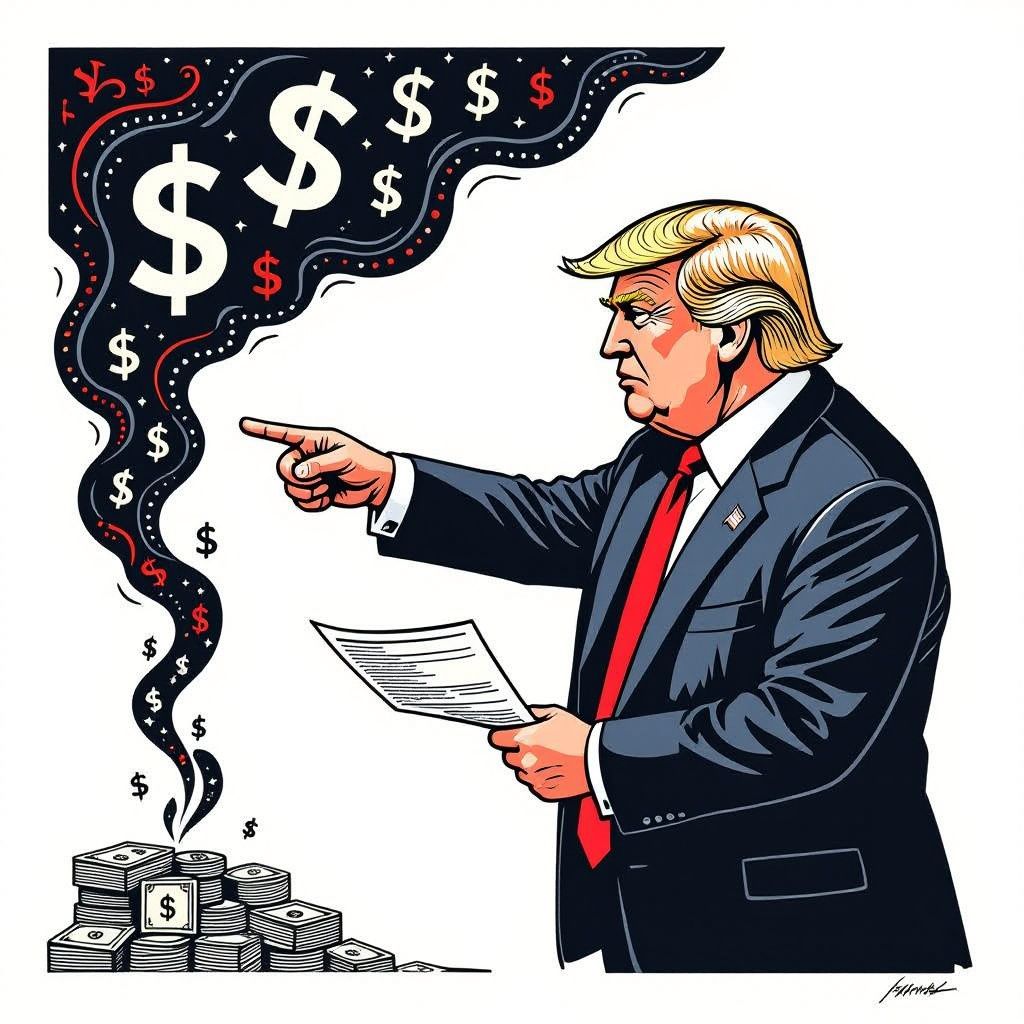
President Trump threatened Canada with import tariffs, accusing the government of ‘willful negligence’ as drifting smoke from active Canadian wildfires pollutes American air.
Escalating Rhetoric and the Threat of Environmental Tariffs
On July 16 and 17, 2026, U.S. President Donald Trump, a Republican, intensified trade tensions by threatening to impose additional import tariffs on Canada [1][3][4]. Trump accused the Canadian government of “willful negligence” regarding its forest management, pointing to the thick wildfire smoke drifting south and polluting American air [3]. On social media, Trump declared that the environmental and economic toll of this pollution “must of necessity be added to the TARIFFS Canada is currently paying” [3]. At this stage, the administration’s statements represent an intent to penalize Canada rather than an active, implemented policy, but the rhetoric has already introduced fresh volatility into North American trade relations [1][3][4].
The Wildfire Crisis and Cross-Border Friction
The diplomatic friction comes amid a severe environmental crisis north of the border. As of July 16, 2026, the Canadian Interagency Forest Fire Centre reported 897 active wildfires, with fewer than 100 classified as under control [3]. These blazes are heavily concentrated in Ontario, Quebec, and the Northwest Territories [3]. Within Canada, local communities are also expressing frustration; the Whitesand First Nation voiced disappointment with the provincial response, and the Grand Chief urged immediate government intervention as fires devastated northern Ontario communities [1].
Broader Trade Context and Economic Fallout
The threat of environmental-linked tariffs adds a layer of uncertainty to the United States-Mexico-Canada Agreement (USMCA) framework [GPT]. This development occurs at a critical moment for U.S. trade policy, as Trump’s temporary 10 percent global tariff is scheduled to expire on July 24, 2026 [2]. That temporary levy has broad implications for manufacturing supply chains, affecting numerous industrial and automotive parts not covered by standard automotive duties [2].