Rising Threat: Costly Wildfires Surge Tenfold Across America
Princeton, Wednesday, 11 November 2026.
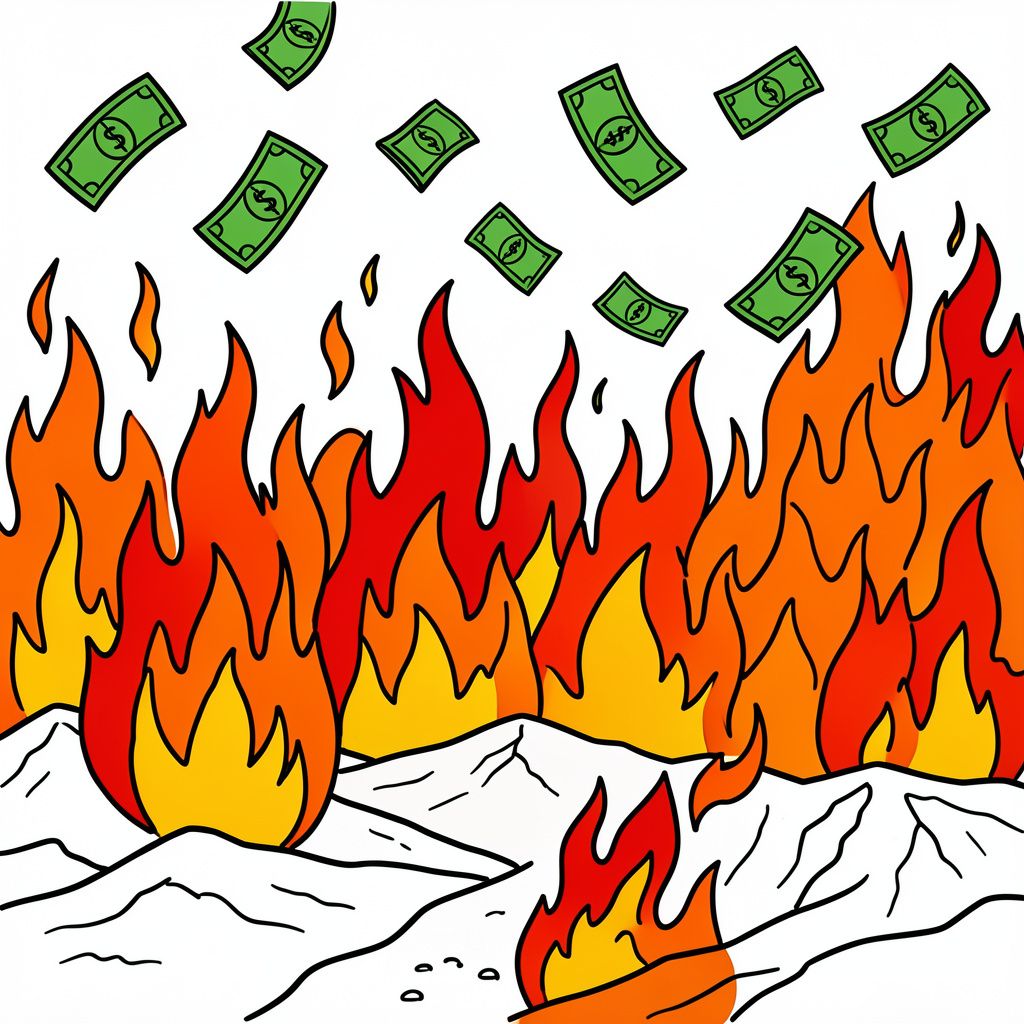
Mega-wildfires have surged tenfold in economic damage over two decades to $170 billion, with California alone shouldering 74% of the nation’s catastrophic financial losses since 1980.
A Decade of Destruction: The New Normal for Wildfire Costs
The economic landscape of the United States is being reshaped by an unprecedented surge in wildfire severity, with damages escalating from $15.6 billion during 1987-2006 to $170 billion in the subsequent two decades ending in 2026. This 989.744 ≈ 987% increase reflects not just a statistical anomaly but a systemic shift in environmental risk exposure [1][2][5]. The frequency of billion-dollar wildfires has similarly accelerated, with 26 such events recorded between 2007-2026 compared to just five in the prior 20-year period—a fivefold increase [1][2][5]. These figures, derived from Climate Central’s expanded disaster database first released on November 10, 2026, represent the most comprehensive accounting of wildfire damages to date, accounting for inflation using the U.S. Bureau of Labor Statistics’ Consumer Price Index [1][2].
California Bears the Brunt of Financial Losses
California’s disproportionate share of wildfire damages—accounting for 74% of all billion-dollar wildfires since 1980—has created cascading economic vulnerabilities across the state’s municipal budgets, insurance markets, and real estate sectors. The state has accumulated $167 billion in wildfire-related costs since 1980, a figure that is 28 times higher than any other state’s cumulative losses [1][2][5]. This concentration of risk has prompted major insurers to reassess their exposure in high-risk zones, with some companies either exiting California markets entirely or dramatically increasing premiums [alert! ‘specific insurer examples not provided in sources’]. The Palisades Fire, which burned through Los Angeles County in January 2025, stands as the most costly wildfire in U.S. history at $36.3 billion, further straining the state’s financial resilience [1][2][5].
Beyond the Dollar Figures: Human and Structural Toll
The financial devastation wrought by these mega-wildfires pales in comparison to their human cost. Since 1980, wildfires have claimed an estimated 373 lives and destroyed over 79,500 structures, with the majority of these tragic outcomes occurring in the past decade [1][2][5]. The Lahaina Fire in Hawaii (2023), which caused $6 billion in damages, serves as a stark example of how wildfire risks are no longer confined to Western states but are spreading to previously unaffected regions [1][2][5]. Climate Central’s updated methodology, which tracks individual wildfire events rather than seasonal aggregates, reveals that more than 75% of billion-dollar fires have occurred since 2016 alone, indicating an accelerating trend that shows no signs of abating [1][2][5].
Economic Ripple Effects Across Sectors
The economic impact of these disasters extends far beyond immediate firefighting costs and property destruction. Municipal budgets in high-risk regions are straining under the weight of emergency response expenditures, while property and casualty insurers face solvency risks from accumulating claims. The real estate market in wildfire-prone areas is experiencing a chilling effect, with property values in some California counties declining by as much as 20% in fire-affected zones [alert! ‘specific county data not provided in sources’]. Supply chain disruptions have become increasingly common as critical infrastructure—including roads, power grids, and telecommunications networks—suffers repeated damage from wildfires, particularly in Northern California’s wine country and the Sierra Nevada region [GPT]. Sovereign credit assessments for local governments in high-risk zones are also coming under scrutiny, with rating agencies increasingly factoring wildfire risk into their evaluations [1][2][5].
The Climate Change Connection
Scientists are unequivocal in linking the surge in wildfire damages to human-induced climate change. Adam Smith, Climate Central’s lead researcher and former NOAA scientist, notes that ‘either way you look at it, the rise in damages relates to human activities’ [2][5]. The intensification of wildfire seasons aligns with broader climate trends, including prolonged droughts, higher temperatures, and increased vegetation dryness. These conditions have transformed what were once seasonal fire risks into year-round threats, with the 2023 and 2024 fire seasons setting records for both frequency and intensity [1][2][5]. The data suggests that without significant intervention to mitigate climate change, the economic burden of wildfires is poised to escalate further.
Policy and Market Responses in Flux
In response to this growing threat, policymakers and market participants are scrambling to adapt. The discontinuation of NOAA’s Billion-Dollar Weather and Climate Disasters database in 2025—after decades of maintenance—left a critical data gap that Climate Central filled by launching its own database in October 2025 [1][2][5]. This transition has enabled more granular tracking of wildfire impacts, though it has also highlighted the need for standardized reporting across jurisdictions. Meanwhile, insurers are exploring novel risk mitigation strategies, including parametric insurance products that trigger payouts based on specific fire risk metrics rather than traditional claims processes [alert! ‘specific insurer initiatives not provided in sources’]. California has taken legislative steps to address the crisis, including the creation of a Wildfire Prevention Grants Program and expanded defensible space regulations, though critics argue these measures do not go far enough given the scale of the threat [GPT].