The Surprising Four-Year Bottleneck Stalling the Artificial Intelligence Boom
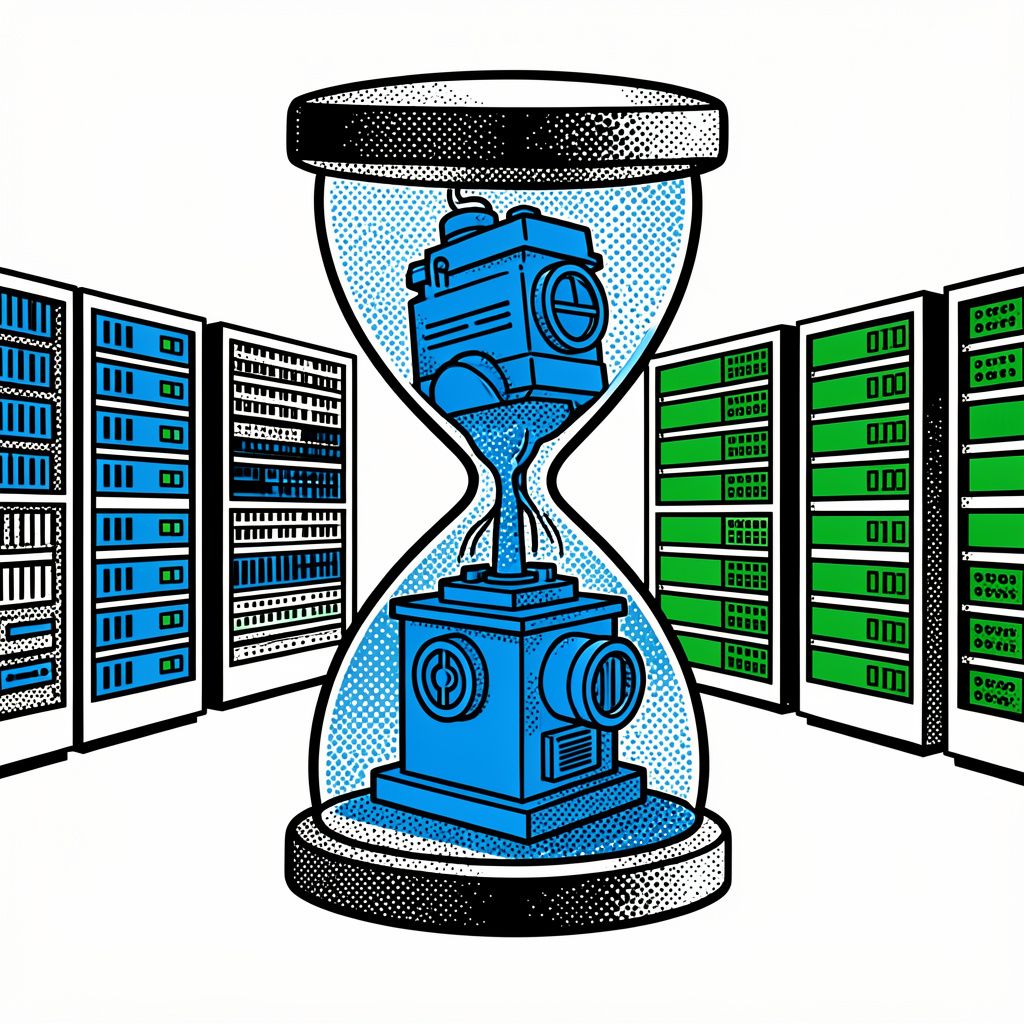
Washington, D.C., Monday, 1 June 2026.
Forget silicon shortages; electrical transformer delays of up to four years are now the primary bottleneck stalling the rapid expansion of AI data centers across North America.
The Escalating Power Demands of AI
Artificial intelligence data centers are consuming an increasingly massive share of national power grids. According to a December 2024 study by the Lawrence Berkeley National Laboratory, United States data centers accounted for 4.4% of total national electricity usage in 2023 [1]. By 2028, this figure is projected to surge to between 6.7% and 12% [1]. This upper projection represents a potential maximum relative consumption increase of 172.727 percent over a five-year period. The sheer scale of this electrical demand has fundamentally shifted the primary bottleneck of artificial intelligence expansion from the availability of silicon chips to the procurement of electrical infrastructure [1].
The Transformer Supply Chain Crisis
Securing these specialized transformers has become an arduous logistical hurdle. A July 2024 report from the U.S. Department of Energy (DOE) established that lead times for large power transformers now range from 80 to 210 weeks, effectively translating to waiting periods of 1.5 to 4 years [1]. The DOE has officially flagged this multi-year bottleneck as a direct threat to grid reliability [2]. These severe delays are primarily driven by an aging utility fleet and a heavily constrained global supply of grain-oriented electrical steel (GOES) [1].
Bypassing the Merchant Market Queue
In a newly released analysis published on May 31, 2026, Entogo, a Canadian power-equipment manufacturer, argues that these multi-year delays are a result of merchant market backlogs rather than the actual physics of manufacturing [1]. According to Yang Zheng of Entogo, “The compute side of an AI campus moves at NVIDIA’s pace. The power side is now the longest pole — and lead time is a sourcing decision, not a law of nature” [1]. This perspective suggests that the industry’s reliance on fragmented, traditional supply chains is unnecessarily inflating project timelines [1].
The Economic Implications for AI Expansion
The ability to source critical power equipment in months rather than years fundamentally alters the economic calculus and timeline for AI infrastructure projects [GPT]. Leveraging over 15 years of industry experience and a portfolio of more than 1,200 delivered projects, Entogo provides factory-tested, turnkey packages that aim to eliminate mismatched lead times and interface issues [2]. Their specialized product line includes three-phase pad-mounted distribution transformers ranging from 75 to 2,500 kilovolt-amperes, as well as 36-kilovolt outdoor compact unit substations capable of handling 1,000 to 10,000 kilovolt-amperes [2].