Developing Nations Face Severe Risk as Energy and Debt Costs Surge
New York, Sunday, 11 October 2026.
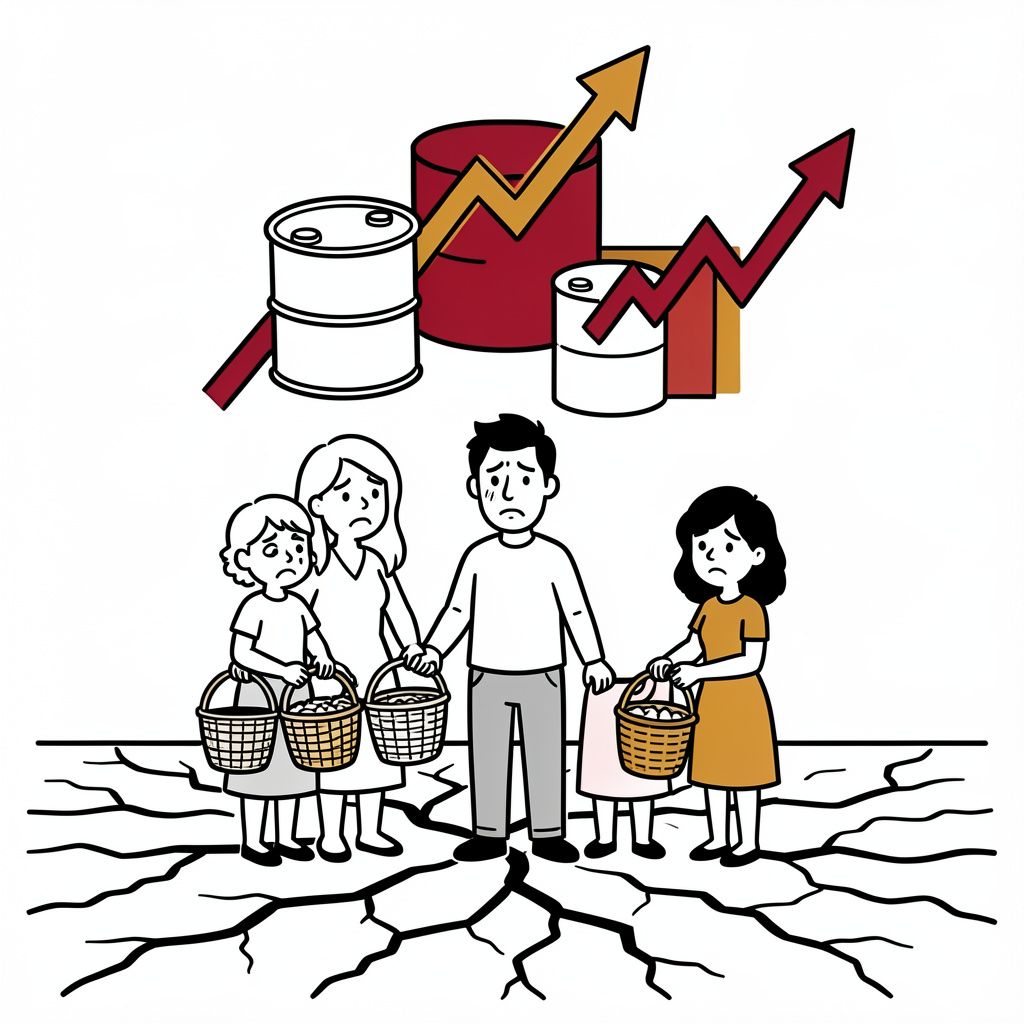
A toxic mix of $100 oil, extreme El Niño weather, and 9% borrowing costs threatens to push hundreds of millions of people in developing nations back into poverty.
Converging Crises Threaten Global Stability
On Sunday, 11 October 2026, the United Nations Development Programme issued an urgent warning that developing nations are facing a compounded crisis driven by surging energy prices, high borrowing costs, and climate-induced disruptions [1][2]. The UNDP report, titled “No Time to Recover,” highlights that the convergence of high global interest rates and volatile commodity markets threatens to roll back decades of economic progress [2]. Alexander De Croo, UNDP Administrator, stated that developing countries are being pulled in different directions with fiscal space completely eaten up [1]. This perfect storm could push tens if not hundreds of millions of people back into poverty, with oil prices exceeding $100 per barrel following resumed hostilities in the Middle East [1][2].
Debt Distress Deepens Amid Rising Costs
Developing nations currently face bond financing costs of approximately 9%, a level described by UNDP officials as really high [1]. Median developing countries now spend 9.5% of government revenue on interest payments, which is the highest level in 25 years [2]. This expenditure is over triple the share of high-income nations, implying high-income nations spend roughly 3.167 percent of revenue on interest [2]. Low-income countries in or at risk of debt distress have already reduced education budgets by 8% and wider public spending by 2% since 2019 [1]. Without intervention, emergency government measures that shielded up to 130 million people from high costs are now exhausted [1][4].
Climate Phenomena Exacerbate Economic Strain
The economic outlook is further complicated by a Super El Niño event, forecast by the World Meteorological Organization to peak in December 2026 and persist through February 2027 [4]. This climate phenomenon is expected to cause widespread crop failures and increase the risk of extreme weather events, driving food inflation in regions like India and Africa [4]. Economic models warn that the 2026-2027 El Niño event will likely cause increased food inflation and disrupted agricultural practices due to unprecedented sea surface temperature rises [4]. In Africa, twelve countries have been identified as being at high risk for food insecurity due to the anticipated impact of the current El Niño event [6].
International Response and Aid Shortfalls
Compounding these issues, Official Development Assistance from major donor countries is projected to decline by 6.9% in 2026, totaling $152 billion [3]. This reduction comes as the annual meetings of the International Monetary Fund and the World Bank are occurring in Bangkok the week of 10 October 2026 [5]. The UNDP has called for urgent international solidarity and global cooperation to address the financing difficulties and debt risks facing developing nations [5]. Debt Justice is advocating for the outright cancellation of burdensome debts and an overhaul of the IMF-administered common framework for debt restructuring [1].
Sources
- www.theguardian.com
- www.undp.org
- www.instagram.com
- economictimes.indiatimes.com
- noyacrypto.com
- www.instagram.com