US Mint Launches First Circulating Coin Featuring a Sitting President
Washington, Wednesday, 2 September 2026.
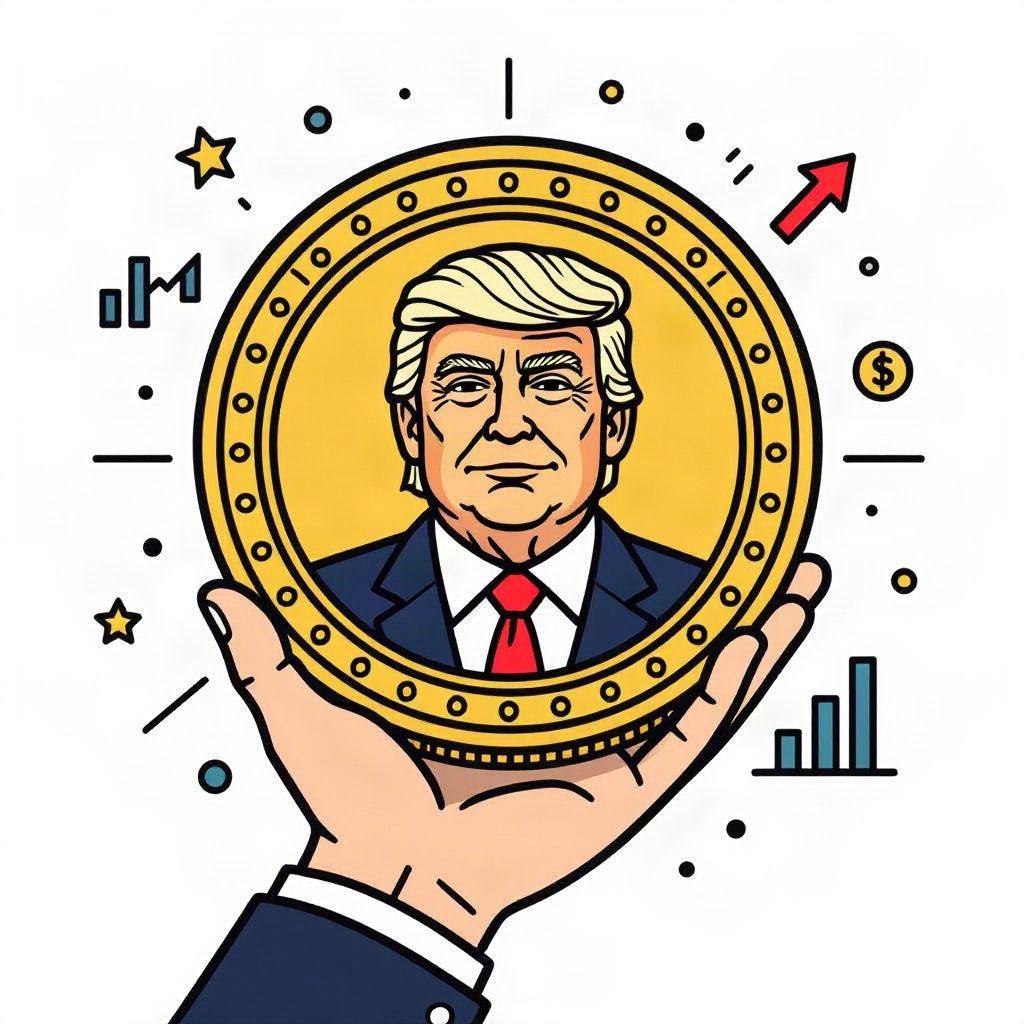
By exploiting a 2020 anniversary law, the US Mint has begun selling commemorative $1 coins featuring Donald Trump, making him the first sitting president on circulating US coinage.
Launch of the Semiquincentennial Dollar
The United States Mint commenced sales of the 2026 President Donald J. Trump $1 coin on Wednesday, September 2, 2026, marking a historic shift in American currency production [1][3]. This release makes Donald Trump the first sitting U.S. president to appear on a circulating coin, distinguishing this event from previous commemorative issues that featured living presidents only on non-circulating media [6][7]. The initiative is part of the broader celebration of the nation’s 250th anniversary, known as the semiquincentennial, and was authorized under specific legislative provisions allowing for design changes during the anniversary year [3][8]. Sales began at noon Eastern Time, with products available exclusively through the Mint’s online channels rather than general bank circulation initially [3][7].
Pricing Structure and Collector Value
Collectors can purchase the coins in rolls of 25 for $61 or bags of 100 for $154.50, pricing the individual units significantly above their face value [3][5]. When broken down, the roll option prices each coin at 2.44 dollars per unit, while the bag option reduces the cost to 1.545 dollars per coin [5][6]. The U.S. Mint implemented an initial household limit of two orders per product, though this restriction is scheduled to lift at 2 p.m. Eastern Time on Thursday, September 3, 2026 [5][8]. This pricing strategy positions the item firmly as a collectible rather than standard circulating currency, despite its legal tender status [3][7].
Legal Framework and Historical Precedent
The issuance relies on the Circulating Collectible Coin Redesign Act of 2020, signed during President Trump’s first term, which permits design modifications for the 2026 anniversary period [3][8]. While federal law generally prohibits the depiction of living persons on currency, the Treasury Secretary holds authority to authorize special coins under specific circumstances, a provision utilized for this release [2][6]. Historical precedent includes a 1926 half dollar featuring Calvin Coolidge alongside George Washington, though that was a commemorative issue rather than intended for daily circulation [6][8]. Critics have noted that the design process bypassed the Citizens Coinage Advisory Committee, which declined to consider the project, while the U.S. Commission of Fine Arts approved the design despite recommending alternative portraits [2][6].
Product Specifications and Scarcity
Despite the golden appearance, the coins contain no actual gold, composed instead of 88.5% copper, 6% zinc, 3.5% manganese, and 2% nickel [3][8]. The obverse features a portrait based on an official White House photograph by Daniel Torok, designed by Chief Engraver Joseph Menna, with inscriptions reading “LIBERTY,” “IN GOD WE TRUST,” and the dual dates “1776 – 2026” [5][8]. To drive collector interest, the Mint randomly inserted 250,000 coins with a “July 4th” privy mark into the rolls and bags, struck specifically on Independence Day [5][8]. The total mintage is capped at 150,000 rolls and 50,000 bags, creating a finite supply chain for these specific collector products [5][8].
Political and Market Implications
Treasury Secretary Scott Bessent announced the coin in July 2026, framing it as a symbol of patriotism and American values [7][9]. The release has attracted attention from political analysts and commercial observers monitoring public demand for government merchandise bearing the likeness of current leadership [1][7]. While the coins are legal tender, their circulation in everyday commerce is expected to be sparse, similar to other dollar coins that tend to remain in collector holdings [6][8]. This launch represents a tangible implementation of the administration’s broader effort to leave a lasting mark on Washington institutions during President Trump’s second term [2][7].
Sources
- apnews.com
- apnews.com
- www.cbsnews.com
- www.congress.gov
- www.al.com
- www.yahoo.com
- krcgtv.com
- www.coinnews.net
- www.usmint.gov