Japan Consumer Prices Rise to Year High as Inflation Beats Central Bank Target
Tokyo, Friday, 23 October 2026.
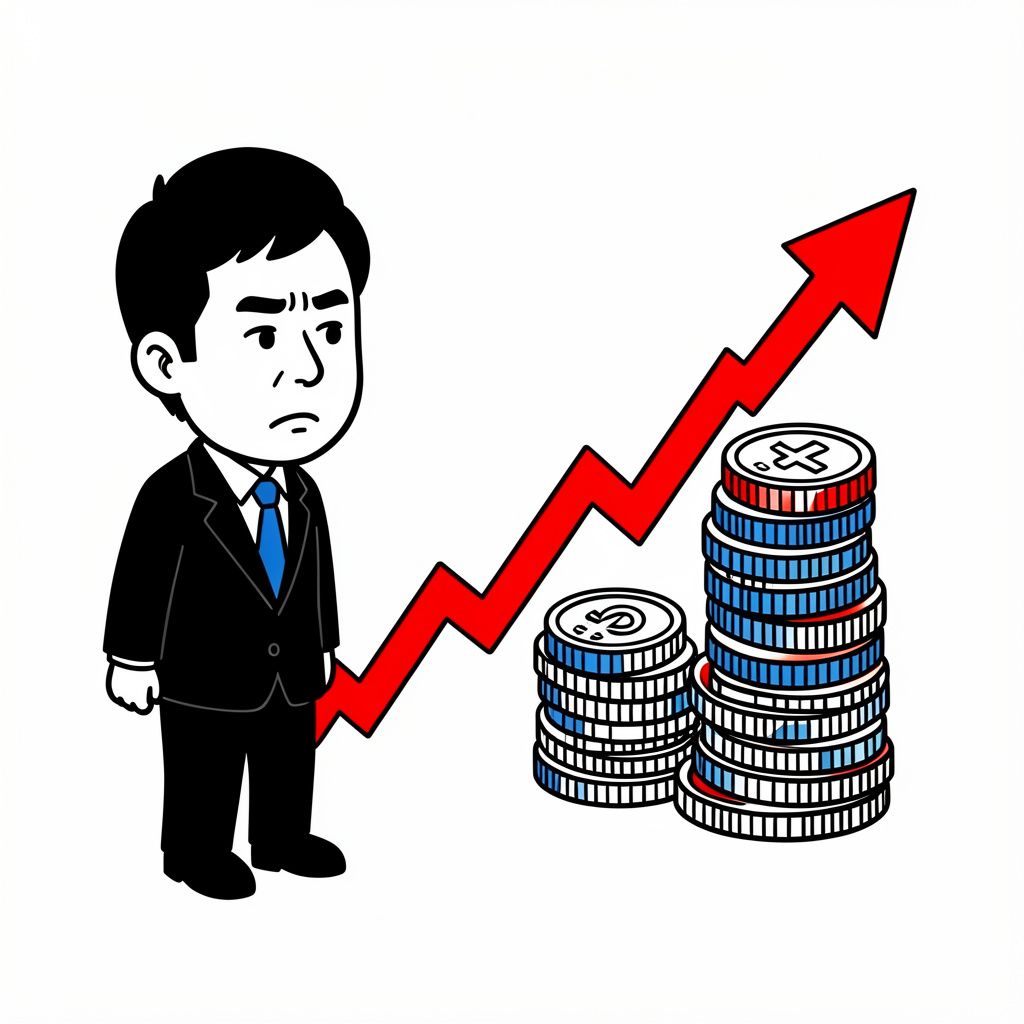
Japan’s core inflation accelerated to 2.1% in September 2026, exceeding the central bank’s target despite falling food costs, increasing expectations for further interest rate hikes.
Core Inflation Metrics and Data Release
The Ministry of Internal Affairs and Communications released the latest Consumer Price Index data on Friday, 23 October 2026, confirming the upward trend in prices [2]. The core consumer price index, which excludes volatile fresh food prices, increased 2.1 percent year-over-year in September 2026 [1]. This figure matches the 2.1 percent forecast by economists polled by Reuters and represents the highest inflation rate recorded in the country for the year [1]. The acceleration marks a significant shift from the 1.7 percent rise observed in August 2026, indicating a 0.4 percentage point increase over the previous month [2][5]. Headline inflation also reached 2.1 percent, while the Bank of Japan preferred gauge excluding both fresh food and energy prices rose to 2.4 percent [1][4]. This broad-based increase suggests that price pressures are permeating various sectors of the economy beyond just energy and food costs [3].
Central Bank Policy and Interest Rate Implications
The sustained rise in inflation maintains significant pressure on the Bank of Japan as monetary authorities globally monitor Tokyo potential shift toward interest rate normalization [1]. The Bank of Japan raised interest rates to 1.25 percent in September 2026, marking a three-decade high for the benchmark rate [1]. Analysts anticipate further tightening, with Capital Economics forecasting an additional rate hike in December 2026 [1]. Finance Minister Satsuki Katayama stated in parliament on 21 October 2026 that Japan is on the cusp of shifting to a period of sustained inflation driven by rising wages [1]. The Minister further noted that there is no gap between the view of the government and that of the central bank regarding this economic transition [1]. With underlying inflation back above the Bank of Japan 2 percent target, the case for further tightening remains on solid ground according to market analysts [3].
Market Reactions and Currency Movements
Financial markets responded swiftly to the data release, with the Japanese Yen attracting buyers following the National CPI announcement [4]. At the time of reporting, the USD/JPY pair was down 1.00 percent on the day, trading at 156.55 [4]. This currency movement reflects investor expectations that higher inflation will necessitate higher interest rates, which typically strengthen a currency by attracting global capital inflows [4]. Conversely, equity markets showed volatility, with the Nikkei 225 index experiencing declines in prior sessions as investors adjusted to the new inflationary environment [6]. The interplay between currency strength and export competitiveness remains a critical factor for international investors monitoring the region [1]. Oil prices hitting a five-month high due to geopolitical conditions in the Middle East have also contributed to import cost increases, further influencing the inflationary landscape [3].
Future Outlook and Economic Projections
Looking ahead, the Bank of Japan is expected to discuss more rate hikes in upcoming meetings, with media reports indicating preparations to hike inflation forecasts at the October meeting [3]. The central bank has signaled plans for more hikes, especially if inflation continues to tick higher than the 2 percent annual target [3]. A core inflation print above the 2 percent target is expected to strengthen the case for a subsequent rate hike in December 2026 [5]. However, legislative developments may complicate the fiscal landscape, as the Lower House initiated debate on a bill proposing a reduction of the consumption tax on food from 8 percent to 1 percent for a duration of two years [1]. This proposed tax reduction is currently under legislative debate as of 20 October 2026, though the status remains ongoing [1]. Economists warn that while subsidies on consumer fuel costs may blunt direct impacts, rising business costs are likely to trickle down into consumer prices over the coming quarters [3].
Sources
- www.cnbc.com
- www.rttnews.com
- www.investing.com
- www.fxstreet.com
- investinglive.com
- breakingthenews.net