Why Election Polling Data May Be Missing Crucial Voters
Austin, Monday, 2 November 2026.
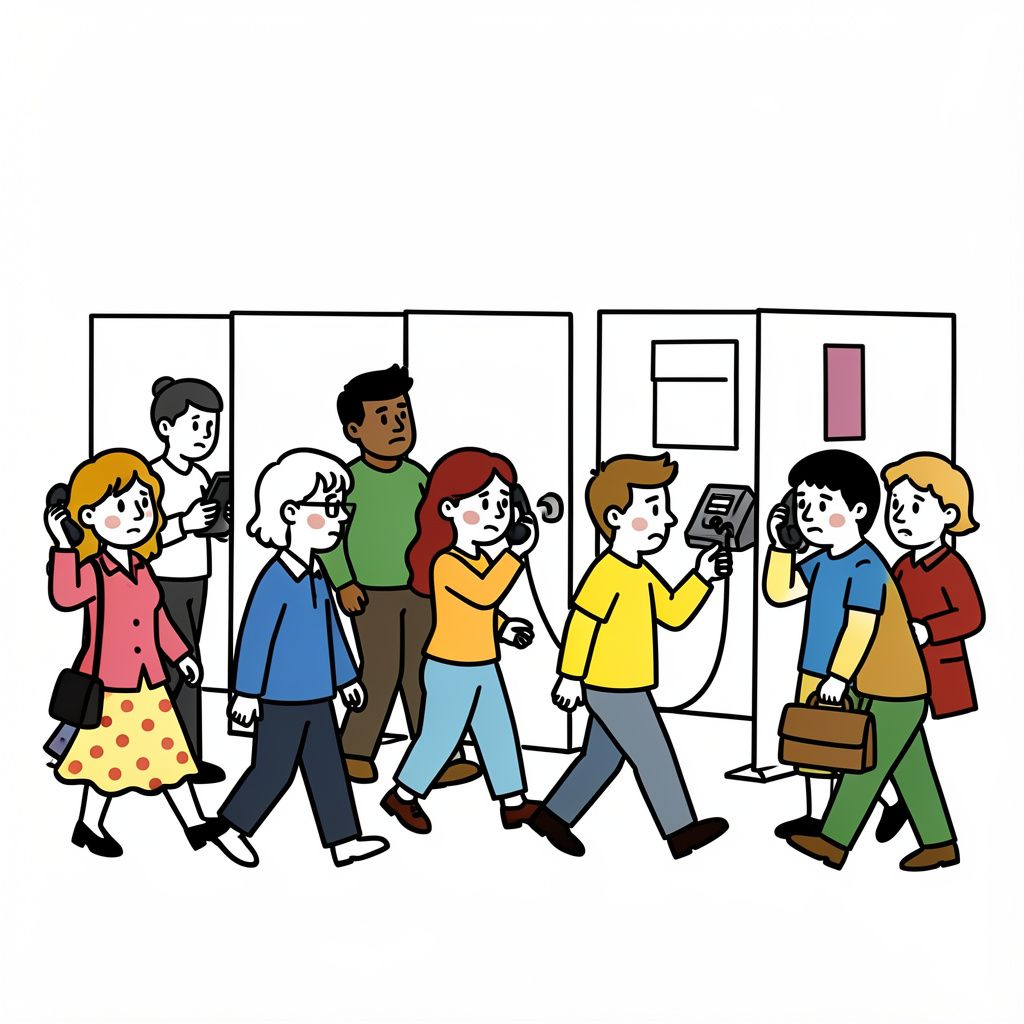
Days before midterm elections, prominent critics argue political surveys suffer critical blind spots, as most busy citizens simply refuse to answer pollsters, leaving forecasts skewed by unrepresentative respondents.
Criticism of Polling Methodology Grows Ahead of 2026 Midterms
As the 2026 U.S. midterm elections approach on Tuesday, November 3 [alert! ‘Election Day is November 3, 2026 per source [3]’], prominent figures in media and politics have intensified criticism of political polling methodologies. Podcaster Joe Rogan launched a scathing attack on polling during the October 31 episode of his show, arguing that surveys disproportionately capture disengaged respondents while excluding individuals with active lifestyles. Rogan’s remarks echoed broader concerns about poll reliability voiced by figures such as former President Donald Trump, who has repeatedly dismissed polling data as “phony” and “fake” [1][2][3].
Rogan’s Polling Critique Reflects Broader Skepticism
During the October 31 episode of the Joe Rogan Experience, Rogan stated, “You’re literally getting the opinion [of] people so ******* stupid they answer polls,” arguing that those who participate in surveys are likely to be individuals with limited responsibilities or hobbies [1][2]. He further claimed that busy professionals, parents, and individuals with active social lives systematically avoid pollsters, skewing results toward a subset of the population that may not reflect broader voter sentiment [1][2][3]. Trump has similarly disparaged polling, particularly following the revelation that Wedgewood Polls admitted to fabricating data in its surveys [1][2]. At a South Carolina rally on October 29, Trump labeled polls as “phony” and criticized Wedgewood Polls, which had previously claimed Trump’s approval rating was at 42% amid widespread reports of fabricated data [1][2].
Methodological Flaws and Historical Undersampling Concerns
Polling industry analysts, including Nate Silver of FiveThirtyEight, have acknowledged long-standing challenges in accurately capturing voter sentiment. Silver noted that political polls have consistently underestimated support for Trump in recent presidential elections, attributing discrepancies to issues such as undersampling Republicans and differences in voter enthusiasm [3]. Silver further emphasized that pollsters are actively working to address these methodological blind spots, including efforts to improve response rates among typically underrepresented demographics [3]. The Independent reported that Rogan’s critique aligns with broader industry concerns about the representativeness of survey respondents, particularly in light of a Pew Research Center analysis that highlighted significant non-response bias [3].
Political Implications and Forecasting Challenges
The reliability of polling data has taken on heightened significance as midterm races tighten amid voter frustration over economic pressures and foreign policy concerns, including the ongoing Iran conflict [3]. Emerson College’s October 2026 national poll placed Trump’s approval rating at 37%, reflecting a broader trend of declining confidence in his leadership [1]. Meanwhile, Democrats hold a 10-point advantage in generic congressional ballot polling, though analysts caution against overreliance on such data given historical inconsistencies [1][3]. Political commentator Joe Scarborough of MSNBC highlighted these inconsistencies, citing a Washington Post poll that showed Democratic challenger Adam Hamilton leading incumbent Republican Senator Roger Marshall 52-43 in Kansas, despite broader skepticism about poll accuracy [2].
Pollsters Acknowledge Limitations and Work Toward Solutions
Polling experts emphasize that methodological challenges are not new but have become more pronounced in an era of declining survey participation and increasing political polarization. Pew Research Center’s findings, summarized via AI analysis, underscore the need for pollsters to adapt their approaches to better capture the views of non-respondents [3]. While Rogan’s comments reflect widespread public skepticism, they also highlight the critical role that polling plays in shaping electoral narratives and policy expectations. As Election Day approaches, the debate over polling reliability underscores the broader challenges of forecasting outcomes in a rapidly changing political landscape [GPT].
Sources
- www.huffpost.com
- www.mediaite.com
- www.independent.co.uk
- www.facebook.com
- www.youtube.com
- emersoncollegepolling.com
- time.com