Why Generation X Is Keeping the Nightlife Industry Alive as Younger Adults Drink Less
New York, Saturday, 1 August 2026.
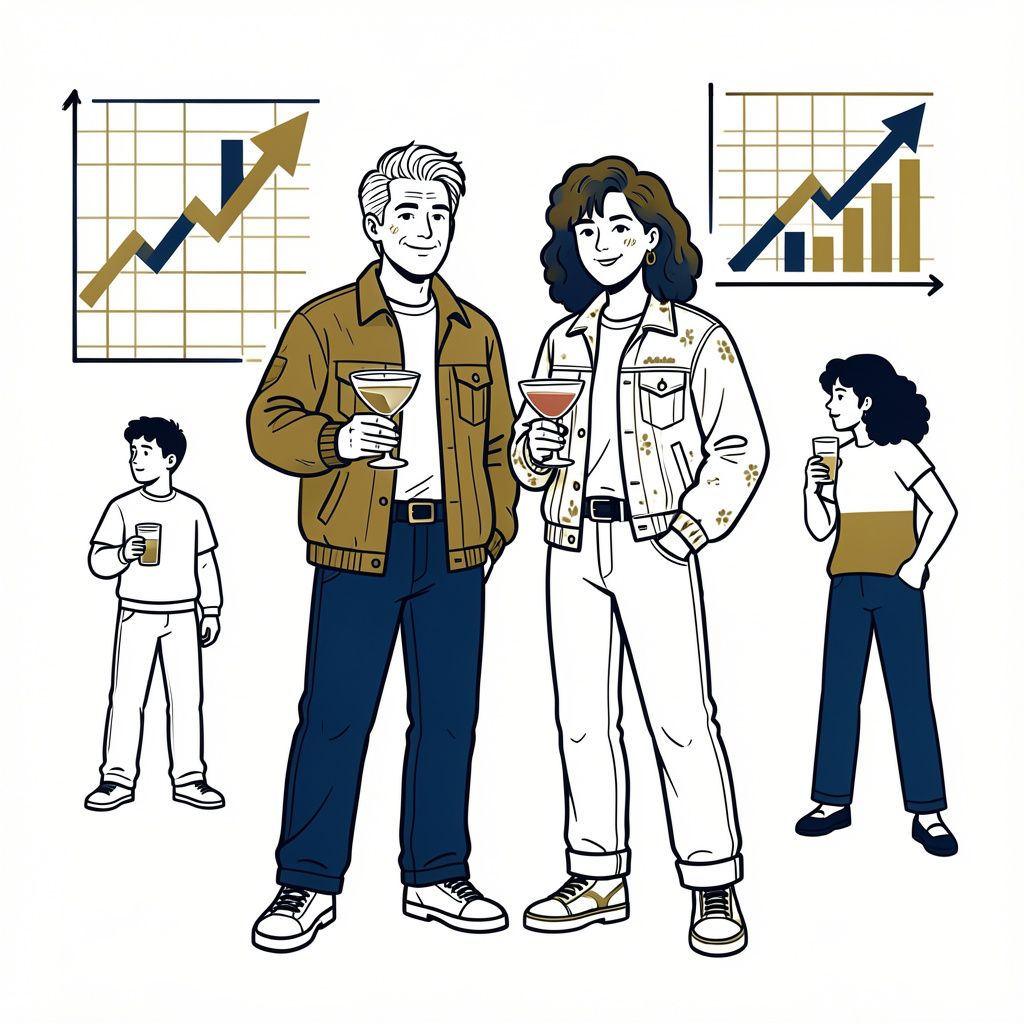
As health-conscious Generation Z cuts back on alcohol, Generation X’s $2.4 trillion spending power is driving a nightlife pivot toward nostalgic events and premium beverages.
Generational Divergence in Alcohol Consumption
As of August 1, 2026, a distinct macroeconomic divergence is reshaping the United States beverage alcohol market, driven by contrasting behaviors between Generation X and younger cohorts [1]. Generation X, born between 1965 and 1980, currently possesses a spending power of $2.4 trillion, making them the leading demographic for wine and fine wine consumption [2][4]. In contrast, Generation Z demonstrates a preference for sober lifestyles and consumes significantly less alcohol than older cohorts, including millennials [2]. This shift is forcing major beverage conglomerates and hospitality operators to pivot marketing strategies, reallocating capital toward premium offerings aimed at older cohorts with higher disposable income while expanding non-alcoholic product lines to capture younger demographics [1]. The data indicates that 65% of Gen Xers consumed alcohol in the past month, compared with 53% of millennials, representing a consumption gap of 12 percentage points [4][6].
Economic Impact on Nightlife and Retail
The economic implications of these consumption trends are evident in the hospitality sector, where venue operators report tightened consumer spending and structural declines in traditional alcohol sales [7]. Rabobank Research data shows Generation Z accounts for only 3.6% of U.S. alcohol purchases, significantly trailing Generation X at 27.5% [5]. Consequently, the U.S. market for non-alcoholic drinks expanded by 28% between 2019 and 2024, whereas the market for full-strength alcoholic drinks contracted by 1% [5]. Nightlife curators and bar owners note that economic pressures, including rising rent and student loan debt, are drivers for reduced spending on alcohol, particularly among younger demographics facing inflation and tighter budgets [5][7]. This environment has led to a reset in the industry, with venues adjusting bar minimums and ticket prices to reflect current consumer caution [7].
Strategic Pivots and Marketing Responses
To adapt to this landscape, businesses are employing nostalgia marketing campaigns featuring 80s and 90s themes to engage Generation X, who respond favorably to loyalty and membership programs [4]. Bars are courting this demographic with nostalgia theme nights and events that end way before midnight, acknowledging their status as the last reliable generation of alcohol-consuming partyers [1]. Historical context suggests this is a significant cultural shift, as alcohol consumption patterns have shifted significantly over recent decades, with total per capita alcohol sales peaking in 2004 [3]. Furthermore, 71% of Gen Xers report that loyalty and membership programs influence their brand selection, favoring benefits like members-only discounts and personalized recommendations [4]. This targeted approach aims to secure revenue from the demographic with the highest spending power while mitigating losses from declining youth participation [2][4].
Health Trends and Future Outlook
Health consciousness remains a primary driver for reduced alcohol intake among younger adults, with nearly two-thirds of U.S. adults aged 18–34 reporting the belief that alcohol consumption negatively impacts their health [5]. Approximately 86% of Gen Z individuals consider mental health as significant as physical health when making decisions regarding alcohol consumption, leading to a preference for sober social environments [2]. In January 2025, a panel of U.S. health advisors recommended the implementation of stronger warning labels on alcohol due to links with chronic illnesses and various cancers, further influencing public perception [5]. As the industry navigates this reset, the focus remains on balancing premium experiences for older consumers with accessible non-alcoholic options for younger generations [1][5].
Sources
- www.magzter.com
- www.alcoholhelp.com
- www.theguardian.com
- shop.sgproof.com
- www.oregonlive.com
- www.newenglandrecoverycenter.org
- www.linkedin.com