Plan to Lower Beef Import Taxes Sparks Backlash From American Farmers
Washington, Saturday, 22 August 2026.
A federal plan to cut beef import taxes to lower grocery prices faces fierce backlash from American ranchers, especially following claims foreign suppliers will offer 25% discounts.
Ranchers Oppose Federal Tariff Relief Plan
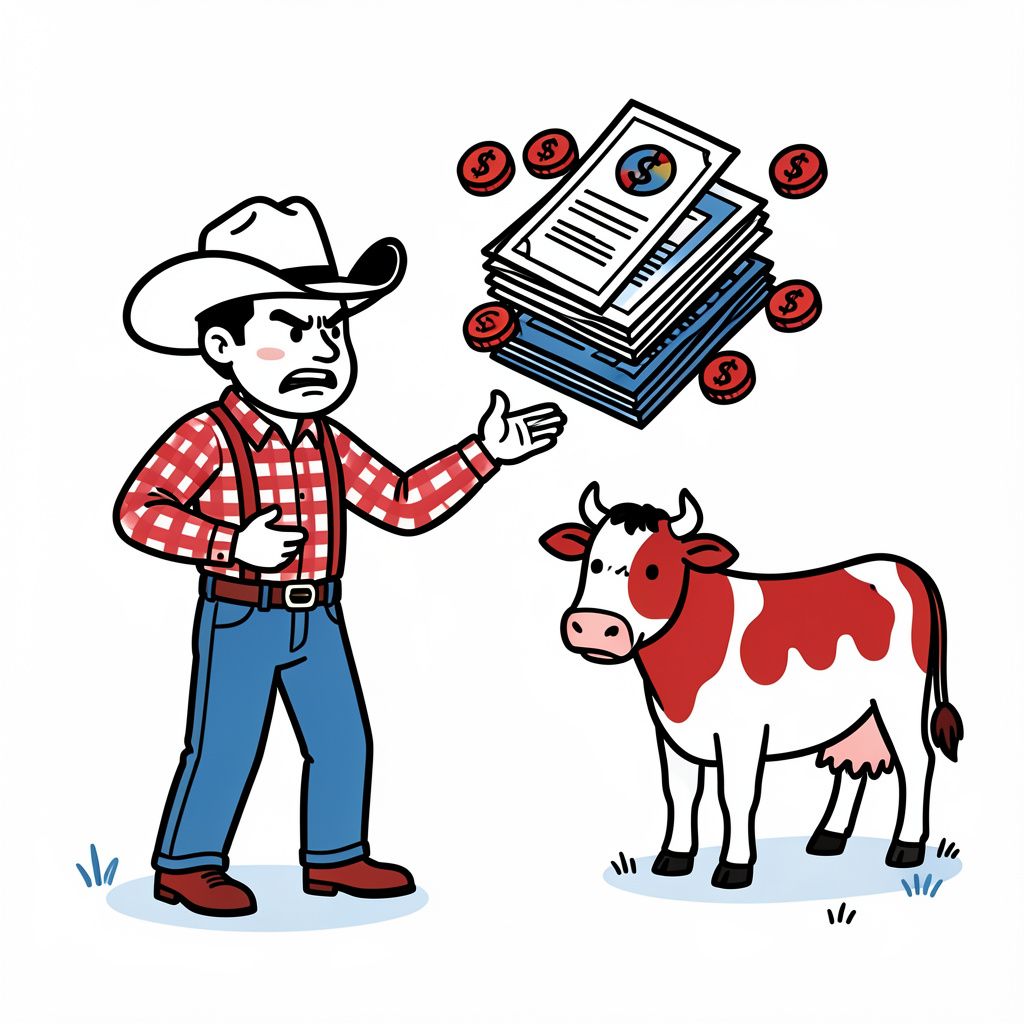
American cattle ranchers and agricultural advocates are expressing sharp opposition to a federal proposal that would temporarily lower tariffs on foreign beef imports [2]. Domestic producers argue that increasing the supply of foreign cattle will flood the market, undercut local prices, and economically harm American farming communities [2]. The move highlights growing tensions between federal trade policy aimed at inflation relief and the domestic agricultural sector’s desire for protectionist measures [2]. This opposition is particularly pronounced given the timing, as the proposal emerges during a period of heightened sensitivity regarding domestic production costs [2].
Economic Implications of Import Discounts
Central to the controversy is the claim by President Donald Trump that unnamed foreign suppliers will provide a 25% discount in the run-up to the midterm elections [2]. A proposed 25% reduction implies a price multiplier of 0.75 for imported beef relative to current tariff-adjusted prices [2]. While intended to lower grocery prices for consumers, industry stakeholders warn that such a shift could destabilize local market equilibrium [2]. [alert! ‘Full article content restricted by paywall limits verification of specific supplier names’] The potential volume of imports required to impact national pricing significantly remains a key point of contention among economic analysts monitoring the situation [2].
Political Context and Policy Intent
The proposal is characterized as a plan rather than implemented law, indicating it is currently in the intent or campaigning phase rather than finalized policy [2]. The timing coincides with the approach of midterm elections, suggesting a strategic motivation to address consumer inflation concerns visibly [2]. Political observers note the friction between the administration’s inflation relief goals and the protective demands of the agricultural base [2]. As of 22 August 2026, the proposal remains a subject of active debate within Washington and farming communities across the United States [2].
Sources
- www.instagram.com
- www.ft.com
- www.youtube.com
- www.youtube.com
- www.youtube.com
- www.youtube.com
- www.youtube.com
- www.youtube.com