United States Explores Controlling Iranian Oil Reserves Following Model Used in Venezuela
Washington, Monday, 14 September 2026.
President Trump suggested the United States could retain control of Iranian oil reserves, mirroring a recent Venezuelan deal, as surging fuel prices continue to pressure global markets amid ongoing conflict.
A Geopolitical Gambit in Doonbeg
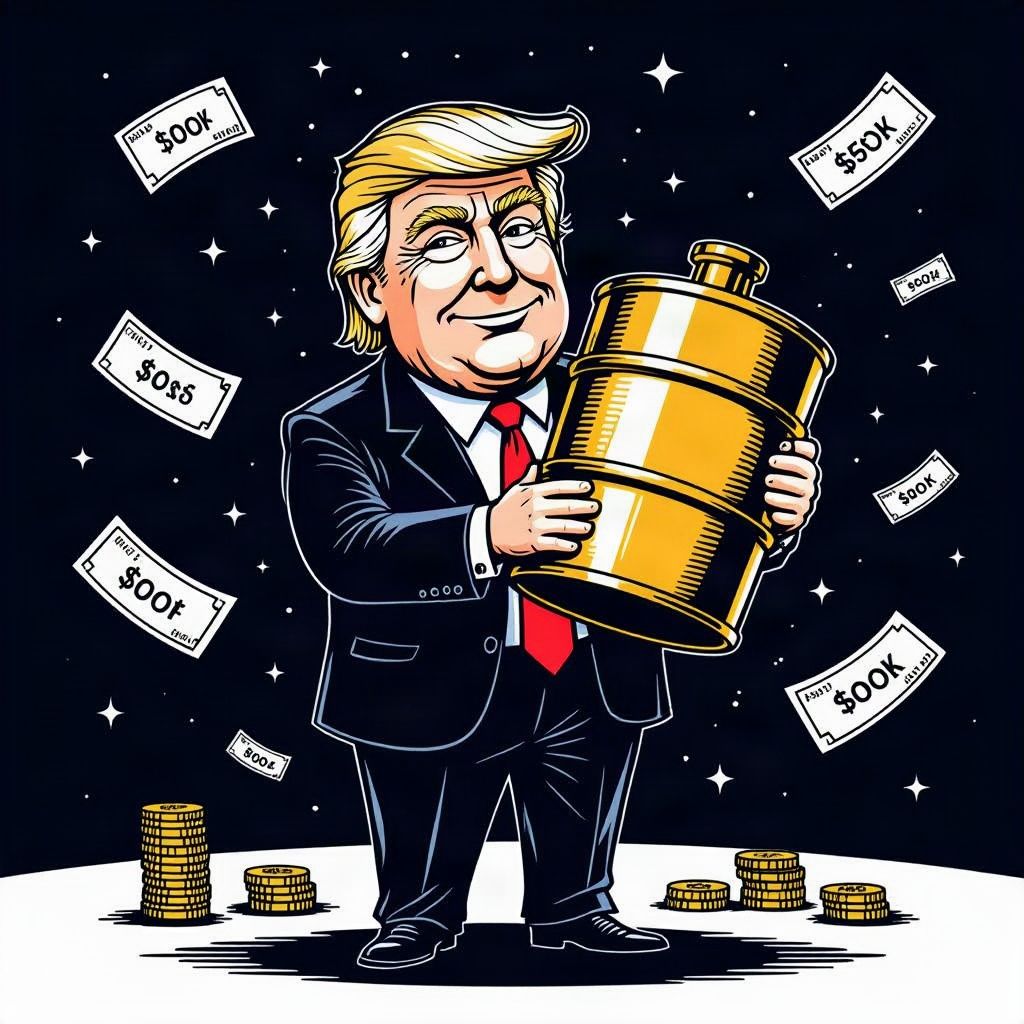
Speaking to reporters on Sunday, September 13, 2026, at his golf resort in Doonbeg, Ireland, Republican President Donald Trump floated the highly controversial prospect of the United States maintaining a long-term military or strategic presence in Iran to retain control of the nation’s oil reserves [1][2]. Trump drew a direct parallel to recent actions taken by his administration in South America, stating, ‘We’ll ultimately get out, unless we decide to stay and keep the oil, like Venezuela’ [1][2]. The President framed this potential strategy not as an active, implemented policy, but as a strategic intent and campaign talking point ahead of the upcoming midterm elections [1][2]. He asserted that the ongoing armed conflict with Iran would conclude shortly after—or potentially even before—the midterms, which he claims will cause domestic fuel prices to rapidly decline [1][2].
Negotiation Claims and Public Skepticism
According to President Trump, the Iranian regime is eager to bring the conflict to an end, claiming they are ‘calling constantly’ to negotiate a settlement [1][2]. However, these claims of urgent diplomatic overtures stand in stark contrast to statements from Iranian officials, who have previously denied participating in such negotiations with Washington [2]. Meanwhile, domestic support for the administration’s military campaign in the Middle East appears to be waning [2]. A Reuters/Ipsos public opinion poll released in late August 2026 revealed that only a quarter, or 25 percent, of Americans believe the war in Iran is worthwhile [2]. Despite this public skepticism, Trump has continued to defend the military intervention, emphasizing during a recent September 11 memorial service that the operations are vital to ensuring that Iran never acquires a nuclear weapon [2].
The Venezuelan Blueprint
The precedent Trump intends to replicate in Iran stems from a major policy shift executed by the United States in Venezuela earlier this year [1][2][3]. In January 2026, U.S. forces seized Venezuelan President Nicolas Maduro, leading to the installation of Delcy Rodriguez as the nation’s interim leader [2]. By August 2026, President Trump announced that the United States had successfully secured majority control over 65 billion barrels of Venezuela’s proven oil reserves through structured partnerships with private enterprises [2]. Trump defended this aggressive resource-control strategy during his Ireland press conference, claiming that the revenue generated from Venezuelan oil assets has already ‘paid for the war many times’ [2].
Structuring the Energy Deals
The technical framework of the Venezuelan model relies on a massive 25-year bilateral project designed to develop 17 strategic oilfields, targeting an output of more than 1.5 million barrels per day [1]. A key component of this arrangement involves a deal with North American Blue Energy Partners, a private entity that stands as Venezuela’s second-largest private oil producer [1]. Under this agreement, the United States purchases 20 percent of the joint venture’s production at the exact cost of production [1]. Analysts note that this heavily discounted crude is intended to replenish the U.S. Strategic Petroleum Reserve, which has been heavily depleted by both the Trump and Biden administrations to counter soaring global energy prices [1]. Policy experts like Victoria Coates, vice president at the Heritage Foundation, have noted that while the U.S. does not strictly require Iranian oil for its own consumption, seizing control of these assets would allow American corporations to enter the region and rebuild its energy infrastructure [1].
Economic Fallout and Energy Market Pressures
The strategic focus on foreign oil reserves comes as American consumers face severe financial pressure at the pump [1][2]. Iran’s blockade of the critical Strait of Hormuz transit route has severely disrupted global shipping lanes, causing retail fuel prices to skyrocket [1][2]. On Sunday, September 13, 2026, the national average price for a gallon of regular gasoline in the United States reached $4.31 [1][2]. According to historical data from AAA, this represents a significant increase from last year’s average price, which was exactly $1.10 lower [1]. This year-over-year change can be calculated as an increase from last year’s baseline price of 3.21 dollars per gallon, representing a sudden and painful price jump of 34.268 percent for American drivers [1][2].