IRS Shifts Focus to Directly Seizing Bank Accounts and Restricting Passports
Washington, Monday, 13 July 2026.
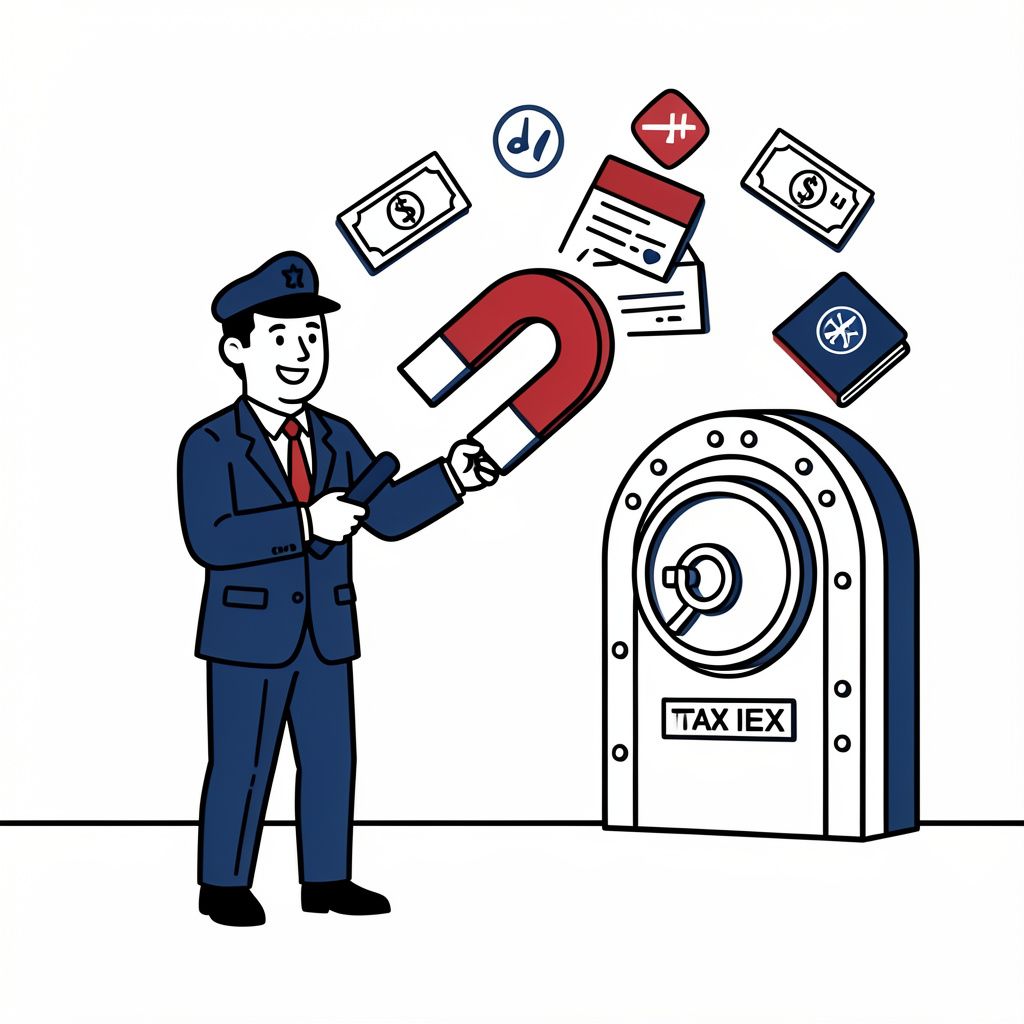
As audits slow down in July 2026, the IRS is aggressively seizing bank accounts and restricting passports for unpaid taxes without needing court intervention.
A Strategic Shift in Federal Tax Enforcement
The Internal Revenue Service (IRS) is executing a major operational pivot in July 2026, redirecting its enforcement resources away from traditional tax return audits and toward aggressive collection of existing unpaid tax debts [1]. According to reports from tax resolution firm Clear Start Tax on July 12, 2026, collection activity is trending sharply upward even as formal examination and audit activities slow down [1]. This shift catches many taxpayers off guard, as a decline in audit notices is frequently misinterpreted as a relaxation of overall IRS enforcement [1].
The Mechanics of Direct Seizures and Passport Holds
In addition to direct financial seizures, the IRS is increasingly leveraging federal law to restrict the international travel of individuals with significant unpaid liabilities [1]. Under these statutory provisions, the IRS certifies taxpayers with ‘seriously delinquent’ tax debt to the U.S. State Department, which then denies or revokes their passports [1]. The monetary threshold that triggers this ‘seriously delinquent’ status is adjusted annually for inflation, meaning taxpayers with older, unresolved debts may find themselves unable to travel abroad unexpectedly [1].
Navigating Hardship with Currently Not Collectible Status
For individuals and families facing genuine financial hardship, the IRS does provide administrative mechanisms to pause these aggressive collection actions [2]. One such mechanism is the ‘Currently Not Collectible’ (CNC) status, which temporarily halts bank levies, wage garnishments, and other active collection efforts [2]. This status is specifically designed for taxpayers whose income is entirely consumed by basic living expenses, ensuring they are not forced to choose between paying federal tax debts and meeting basic needs like rent or food [2].
Proactive Resolutions Over Costly Delays
Rather than waiting for aggressive enforcement to escalate, tax professionals urge taxpayers to proactively explore long-term resolution strategies [1][2]. These options include formal installment agreements or an Offer in Compromise, which can settle tax liabilities for less than the full amount owed [2]. Utilizing digital assessment tools, such as those provided by Clear Start Tax, can help taxpayers evaluate their eligibility for relief under the IRS Fresh Start Program [2]. Ultimately, establishing a proactive agreement or securing hardship status before the IRS initiates direct asset seizures remains the most effective way to maintain financial stability [1][2].