Why Moscow Is Threatening Nuclear Escalation Over Its Baltic Exclave
Moscow, Wednesday, 30 September 2026.
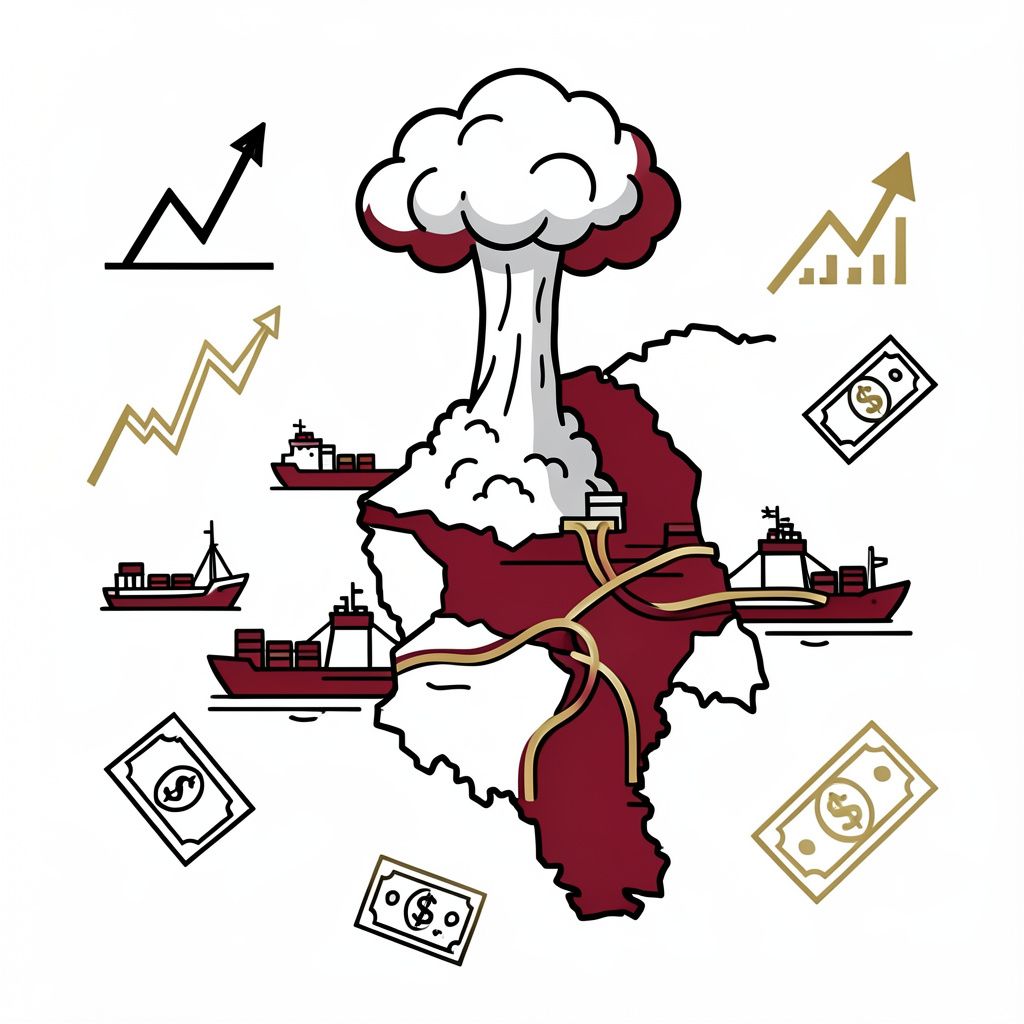
Moscow threatened a nuclear response against alleged NATO blockade plans around Kaliningrad, elevating geopolitical risk premiums and threatening vital European trade corridors and energy supply lines.
Diplomatic Note Details Specific Nuclear Conditions
On September 29, 2026, Russian diplomatic channels transmitted a formal warning to NATO, stating Moscow would employ its entire arsenal, including nuclear weapons, if the alliance attempts to isolate the Kaliningrad region [1][2]. The document, seen by Reuters and reported on September 30, 2026, accused NATO of pursuing a dangerous course that risks direct armed conflict [2]. Russian embassies in the United Kingdom, Ireland, and Belgium disseminated statements reinforcing that any blockade would trigger a response using all means available [4][5]. This escalation follows claims by Russian diplomats that NATO is preparing naval and air restrictions around the exclave, though NATO denies these preparations constitute a blockade [1][3].
NATO Rejects Threats as Irresponsible Rhetoric
NATO spokesperson Allison Hart formally responded on September 30, 2026, confirming receipt of the Russian message and denouncing the threat of force as irresponsible nuclear rhetoric [1][2]. Hart emphasized that the alliance is defensive in nature and none of its exercises pose a threat to Russian territory [2]. Previously, on September 23, 2026, NATO Secretary-General Mark Rutte noted that increasing hybrid incidents suggest Russian President Vladimir Putin is losing the war in Ukraine, now in its fifth year [1]. Officials asserted readiness to defend all Allied territory against Russian threats, labeling the hybrid tactics as signs of desperation [1][3].
Strategic Value of the Kaliningrad Exclave
Kaliningrad remains a critical military asset, hosting the main Russian Baltic navy base and nuclear-capable Iskander missiles [1][5]. Geographically surrounded by NATO members Poland and Lithuania, the region sits close to the Suwałki Gap, a strategic corridor linking the Baltic states to the rest of the alliance [4][5]. Photographic evidence provided by the French Army on April 20, 2026, showed a Russian supersonic Tu-22M3 strategic bomber flying over the Baltic Sea, highlighting ongoing military activity in the zone [3]. Kremlin spokesman Dmitry Peskov referenced Russian policy documents on September 23, 2026, stating it is natural to remind European counterparts of Moscow’s stance [1].
Market Implications and Future Exercises
Geopolitical risk premiums across European markets have risen significantly as executives monitor NATO’s strategic posture [1]. The rhetoric threatens trade corridors, supply chains, and energy transit routes in the Baltic Sea region, creating uncertainty for investors [1][6]. NATO has conducted a series of military exercises in the Baltic region in recent months and has additional exercises scheduled for October 2026 [1]. Polish Foreign Minister Radosław Sikorski suggested NATO should step up military exercises near Kaliningrad Oblast in response to the tension [2]. Lithuania previously described Russia’s new threats concerning Kaliningrad as psychological pressure [2].
Sources
- www.lmtonline.com
- www.pravda.com.ua
- www.washingtonpost.com
- www.facebook.com
- www.aa.com.tr
- www.ft.com