Rising Healthcare Costs Emerge as Top Priority for Voters Ahead of Midterm Elections
Washington, Tuesday, 6 October 2026.
Healthcare expenses have tied with gas prices as the top voter anxiety, driving support for national reform to a record 66% while creating significant market and political exposure.
Voter Priorities Shift to Healthcare Affordability
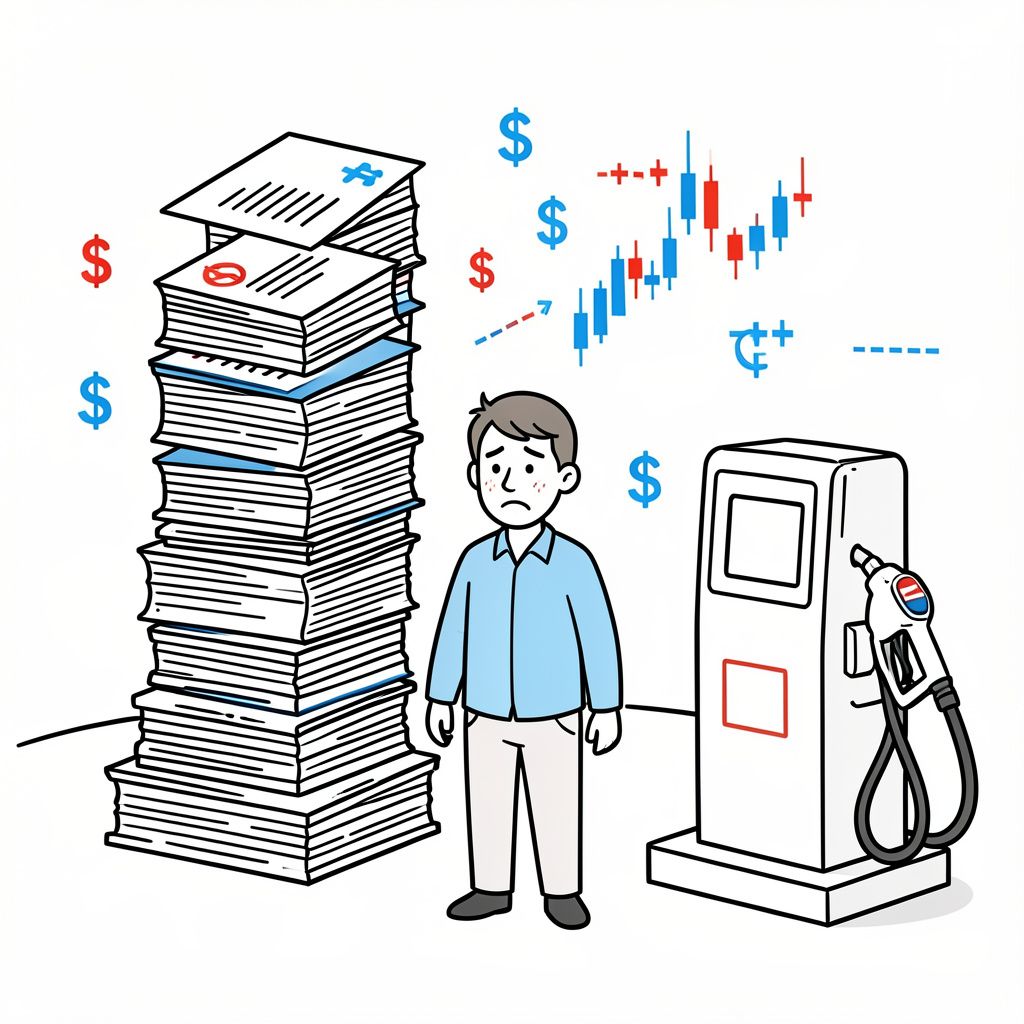
Healthcare costs have tied with gas prices as the primary economic concern for voters ahead of the 2026 midterm elections [1][7]. According to a KFF Health Tracking Poll released on 6 October 2026, 66% of the public favors a Medicare-for-all national health plan, the highest level recorded since polling began in 2016 [1][6]. Six in ten voters report being very or somewhat worried about affording healthcare, outranking concerns over food, utilities, and housing [7][8]. Consumers have deep concerns about affordability with a quarter of respondents saying they are very worried about the costs of healthcare and gas prices [8].
Legislative Changes and Federal Cuts
Proposed federal legislative changes could reduce healthcare spending by over $1 trillion through stricter eligibility hurdles for safety-net programs [2]. The 2025 reconciliation law, known as the One Big Beautiful Bill, mandates new pre-enrollment verification requirements and restricts ACA tax credit eligibility for many lawfully present immigrants [5]. ACA Marketplace enrollment fell from a record 21.8 million in 2025 to 19.2 million in 2026, representing a decline of 11.927 percent [5]. The expiration of enhanced premium tax credits at the end of 2025 led to increased out-of-pocket premium costs and declining enrollment in 2026 [5].
Political Landscape and Market Impact
Protect Our Care launched a bus tour criticizing Republicans in Congress for slashing health care to give tax giveaways to billionaires [2]. Michigan Governor Gretchen Whitmer noted that state budgets are taking action to protect core Medicaid services against federal cuts [3]. In September 2026, the Trump administration announced $500 rebate checks for nearly 1 million ACA Marketplace enrollees while concurrently cancelling coverage for over 760,000 individuals [5]. Americans are sick of paying more and getting less as premiums they cannot afford remain a key issue [2].
Sources
- www.kff.org
- www.facebook.com
- www.instagram.com
- www.kff.org
- www.kff.org
- www.washingtonpost.com
- www.bloomberg.com
- insidehealthpolicy.com