St. Louis LGBTQ+ Bar Opens Successfully Despite Legal Battle with Billionaire Neighbor
St. Louis, Sunday, 26 July 2026.
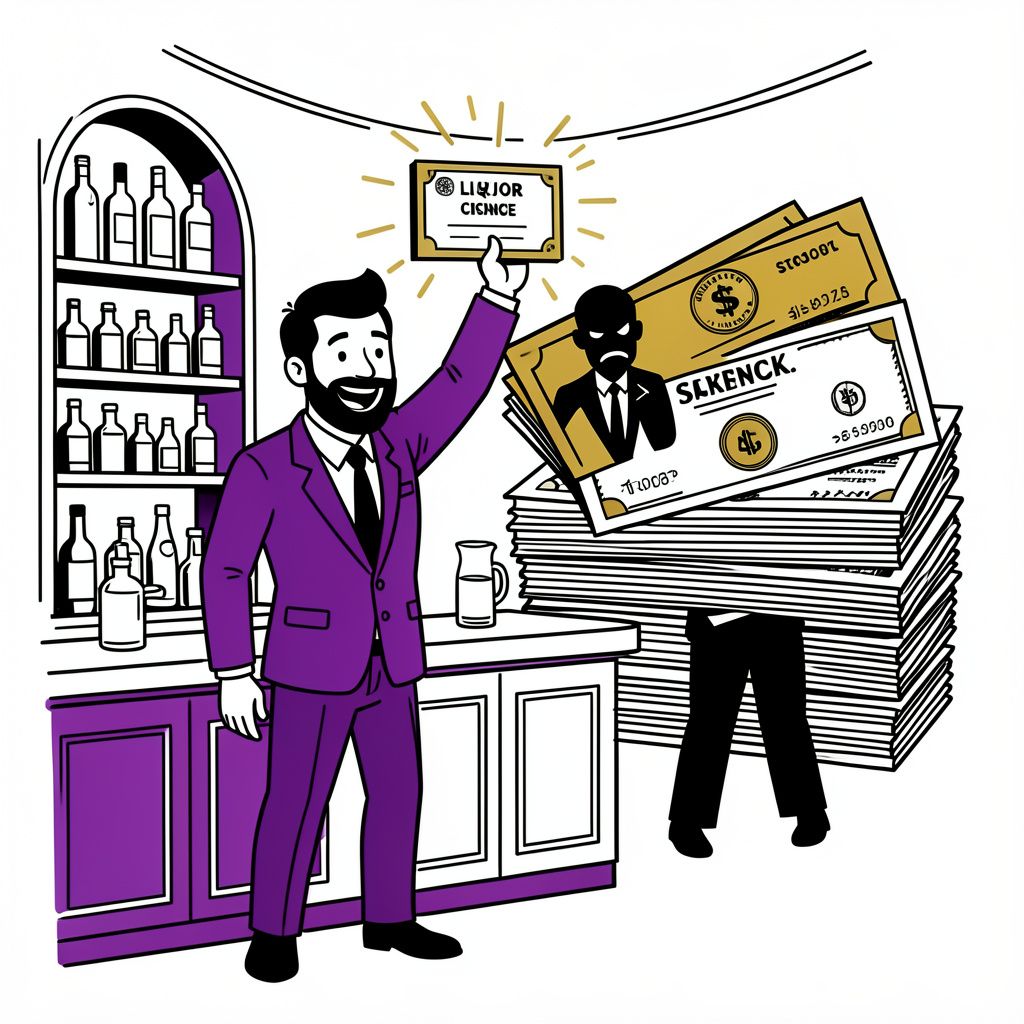
St. Louis leather bar The Phoenix successfully secured its liquor license and opened this July, overcoming months of legal opposition from a billionaire U-Haul heir.
The High-Stakes Battle Over a Liquor License
The path to opening a new hospitality venue is rarely without hurdles, but for The Phoenix, a new leather bar in St. Louis, the obstacles took on billionaire proportions [2]. The establishment successfully secured its liquor license this July after enduring months of intense legal opposition from an incredibly wealthy neighbor [2]. This neighbor, an heir to the U-Haul fortune, initiated a months-long campaign to block the venue’s license, turning a local zoning matter into a high-profile legal standoff [2].
The legal tension escalated beyond the licensing board when the billionaire neighbor threatened a defamation lawsuit over media coverage surrounding the dispute [2]. Such legal tactics highlight the immense pressure grassroots commercial developers can face when their business interests clash with wealthy real estate stakeholders in urban entertainment districts [GPT]. Despite these aggressive legal maneuvers, the venue prevailed, demonstrating the resilience of grassroots hospitality projects in the face of deep-pocketed opposition [1][2].
Market Demand and Regulatory Landscapes
From a market perspective, securing a liquor license is often the make-or-break milestone for any nightlife establishment, directly impacting its projected revenue and long-term valuation [GPT]. For niche hospitality venues like The Phoenix, opening successfully in July 2026 taps into a highly loyal consumer base that drives robust demand for inclusive spaces [GPT][2]. The victory underscores a broader economic trend where community-driven enterprises successfully leverage passionate consumer backing to overcome significant barriers to market entry [GPT].
The local battle in St. Louis unfolds against a backdrop of broader national regulatory challenges facing LGBTQ+ businesses and media organizations in 2026 [2][GPT]. For instance, as of July 24, 2026, the Trump administration has been pushing a proposal through the Federal Communications Commission (FCC) to implement “warning” labels for LGBTQ+ television shows [2]. This federal push has met with significant public backlash; GLAAD recently reported that 9 out of 10 public comments—representing 90% of the feedback submitted to the FCC—oppose the implementation of these labels [2].
A Broader Outlook for Inclusive Entities
These parallel struggles—from local liquor licensing challenges in Missouri to national broadcasting debates at the FCC—illustrate the complex environment in which modern LGBTQ+ commercial entities operate [2][GPT]. Despite regulatory headwinds and localized legal battles, the successful launch of venues like The Phoenix highlights the enduring commercial viability and cultural necessity of dedicated inclusive spaces in the modern retail and hospitality landscape [1][2][GPT].