Middle East Tensions Rise as Israel Formally Labels Qatar a Hostile State
Jerusalem, Sunday, 6 September 2026.
Israeli Prime Minister Benjamin Netanyahu designated Qatar a hostile state while defending past Gazan financial aid transfers, escalating diplomatic friction ahead of Israel’s October 2026 elections.
Diplomatic Escalation and Historical Context
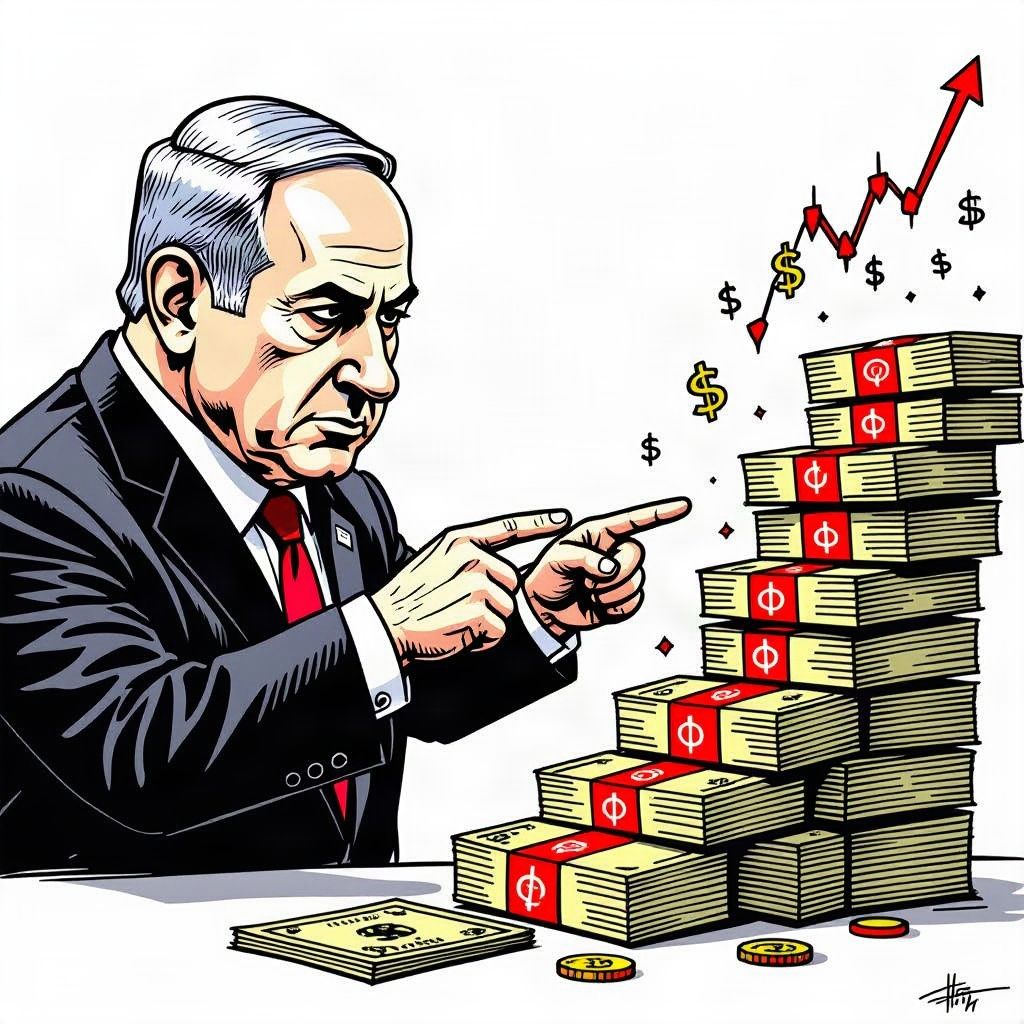
Israeli Prime Minister Benjamin Netanyahu officially characterized Qatar as a ‘hostile state’ during statements made on September 6, 2026, marking a significant deterioration in relations between the two nations [1][2]. In an interview aired on September 5, 2026, Netanyahu dismissed domestic and international criticism regarding his government’s past ties to Doha as ‘one big bluff,’ while defending previous financial flows to Gaza as monitored humanitarian aid [1][3]. This designation represents a sharp pivot from previous diplomatic engagements, signaling a hardened stance amidst ongoing regional instability [2][4].
The escalation follows a history of tension, specifically referencing a military strike conducted by Israel in Doha in September 2025 [1][3]. That operation, which targeted senior Hamas officials, resulted in six deaths, including a member of Qatar’s security forces, and prompted a subsequent apology from Netanyahu to Qatari leadership during a call involving US President Donald Trump [3][4]. Despite the prior apology and assurances regarding sovereignty, the current rhetoric underscores a strategic shift as Netanyahu explicitly claimed responsibility for bombing the country during the ongoing war [3][4].
Regional Security and Economic Implications
The diplomatic friction carries substantial weight for Middle Eastern energy security and mediation channels, particularly given Qatar’s role as a major liquefied natural gas exporter [1]. Tensions are further complicated by concurrent disputes between Qatar and Iran, with Qatari officials refuting Iranian claims regarding attacks on Qatari territory submitted to the International Telecommunication Union [1]. On September 4, 2026, Qatari Foreign Ministry spokesperson Majed Al Ansari publicly rejected Iranian assertions that missile strikes on Ras Laffan gas facilities targeted US-supporting infrastructure, insisting instead that the attacks violated civilian and commercial areas [1][4].
Qatar maintains a firm stance that it is not a party to the broader conflict, denying allegations of funding Hamas and citing strict oversight mechanisms known to United States officials [3][4]. Sheikh Mohammed, a Qatari official, stated that all aid went to the people of Gaza under a transparent process, countering Netanyahu’s claim that such funds represented only a fraction of money entering the Strip [3]. The State of Qatar has submitted formal letters to the UN Secretary-General rejecting Iran’s legal justifications for attacks that began in February 2026, emphasizing their commitment to diplomatic resolution despite the hostile labeling by Jerusalem [1][4].
Electoral Politics and Future Outlook
This geopolitical maneuvering occurs against the backdrop of upcoming Israeli general elections scheduled for October 27, 2026, the first since the Gaza war began in 2023 [3]. Netanyahu faces considerable pressure regarding the war’s conduct, economic stability, and the expanding conflict involving Iran, making national security posture a central campaign theme [3]. Analysts suggest that designating a former mediator as a hostile state may serve to consolidate specific voter bases ahead of the poll, though it risks isolating Israel from key regional partners who facilitated previous ceasefire negotiations [2][3].
Looking forward, Qatar has stated it will continue diplomatic efforts to reduce regional tensions, though no specific deadlines have been provided for de-escalation [1]. The convergence of electoral timelines, energy security concerns, and shifting alliances suggests that the period leading to the October election will be critical for regional stability [3]. As both nations navigate this new diplomatic reality, the potential for miscalculation remains high, particularly given the overlapping conflicts involving Iranian and Israeli interests across the Levant [1][4].