Netanyahu Orders Removal of Unauthorized West Bank Outposts Under American Pressure
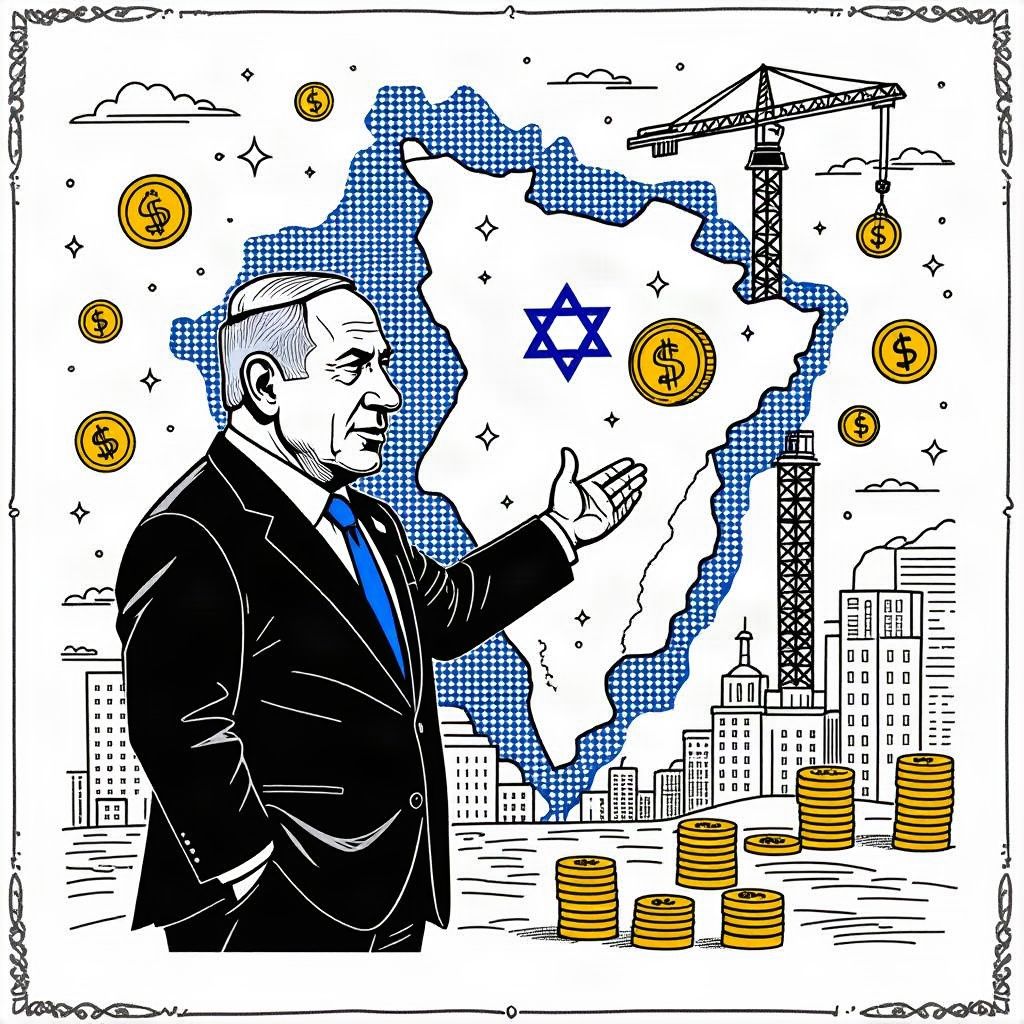
Jerusalem, Monday, 7 September 2026.
Following diplomatic pressure from the United States to curb regional violence, Prime Minister Benjamin Netanyahu instructed Israeli forces to dismantle roughly 100 unauthorized settlement outposts in the West Bank.
Diplomatic Directive and Timeline
On Sunday, September 6, 2026, Prime Minister Benjamin Netanyahu instructed security forces to dismantle unauthorized settler outposts in the West Bank, a move confirmed by government sources and Finance Minister Bezalel Smotrich [1][2]. This directive represents a significant tactical shift, occurring shortly after U.S. Ambassador to Israel Mike Huckabee visited the West Bank town of Turmus Ayya on September 5, 2026, to meet with Palestinian American residents reporting harassment [2][3]. While all Israeli settlements in the territory are considered illegal under international law, the order specifically targets outposts established without official Israeli government authorization, often consisting of prefabricated structures [1][2]. Reports indicate the decision followed substantial pressure from the United States administration to curb settler violence and stabilize the region amid heightened geopolitical tensions [2][3].
Security Implications and Operational Scope
Security officials report that the evacuation order targets approximately 100 unauthorized outposts, with a specific focus on 15 to 20 located in Areas A and B where the Palestinian Authority holds civilian control [3]. This specific subset constitutes 15 to 20 percent of the total unauthorized outposts currently identified in the region [3]. The Israel Defense Forces (IDF) have warned that new settlements often lack critical infrastructure, such as cellular coverage, because access roads pass through Palestinian villages where signal is absent [4]. Consequently, security forces fear that terror activists could block the single access axes connecting these outposts, delaying reinforcement teams during emergencies [4]. To counter rising threats, the military plans to deploy at least two additional battalions beginning on Rosh Hashanah, which starts on the evening of September 11, 2026 [3].
Regional Stability and Political Reaction
The decision comes as the Israeli Security Cabinet convened on September 5, 2026, to discuss the situation with Iran, with Prime Netanyahu issuing warnings regarding potential retaliatory strikes [5]. Domestically, Finance Minister Smotrich expressed disapproval of the measure, boasting of his party’s role in legalizing villages and farms in the territory occupied since 1967 [1]. Meanwhile, intelligence reports indicate a surge in violence and intelligence alerts over the past two to three months, driven by locally organized cells with alleged external backing [3]. As the region approaches the Jewish High Holidays, security officials emphasize that enforcement measures alone are not effective tools without broader strategic coordination to prevent recurring settlement expansion [3][5].