Why U.S. Homebuilders Are Slashing Prices at Record Rates
Washington, Wednesday, 28 October 2026.
With borrowing costs topping 7%, builder sentiment plunged to a fourteen-year low in October 2026, prompting a record 43% of builders to cut prices to revive stalled demand.
A Historic Plunge in Builder Sentiment
U.S. homebuilder confidence has cratered to its lowest level in 14 years, with the NAHB/Wells Fargo Housing Market Index (HMI) dropping to 29 in October 2026—a three-point decline from September’s 32 [1][2][4][5]. This marks the weakest reading since June 2012, underscoring the severe strain facing the residential construction sector as borrowing costs soar and economic uncertainty dampens buyer enthusiasm [1][2][4][5]. The index, which surveys builders on current sales conditions, future expectations, and buyer traffic, has now fallen for four consecutive months, reflecting a sustained erosion of market optimism [1][2][4][5].
The Mortgage Rate Squeeze
The primary catalyst for this downturn is the surge in mortgage rates, which have climbed well above 7% in recent weeks, according to NAHB Chairman Bill Owens [2][4]. This sharp increase in financing costs has priced out a significant portion of prospective buyers, particularly first-time homebuyers who are most sensitive to rate fluctuations [2][4]. Freddie Mac’s Primary Mortgage Market Survey reported a 30-year fixed mortgage rate average of 7.40% for the weeks ending October 8 and October 15, 2026, with a slight dip to 7.32% by October 22 [4]. The elevated rates have not only reduced affordability but also exacerbated existing pressures from high home prices and inflation, further weakening buyer sentiment [2][4].
Record Price Cuts and Incentives
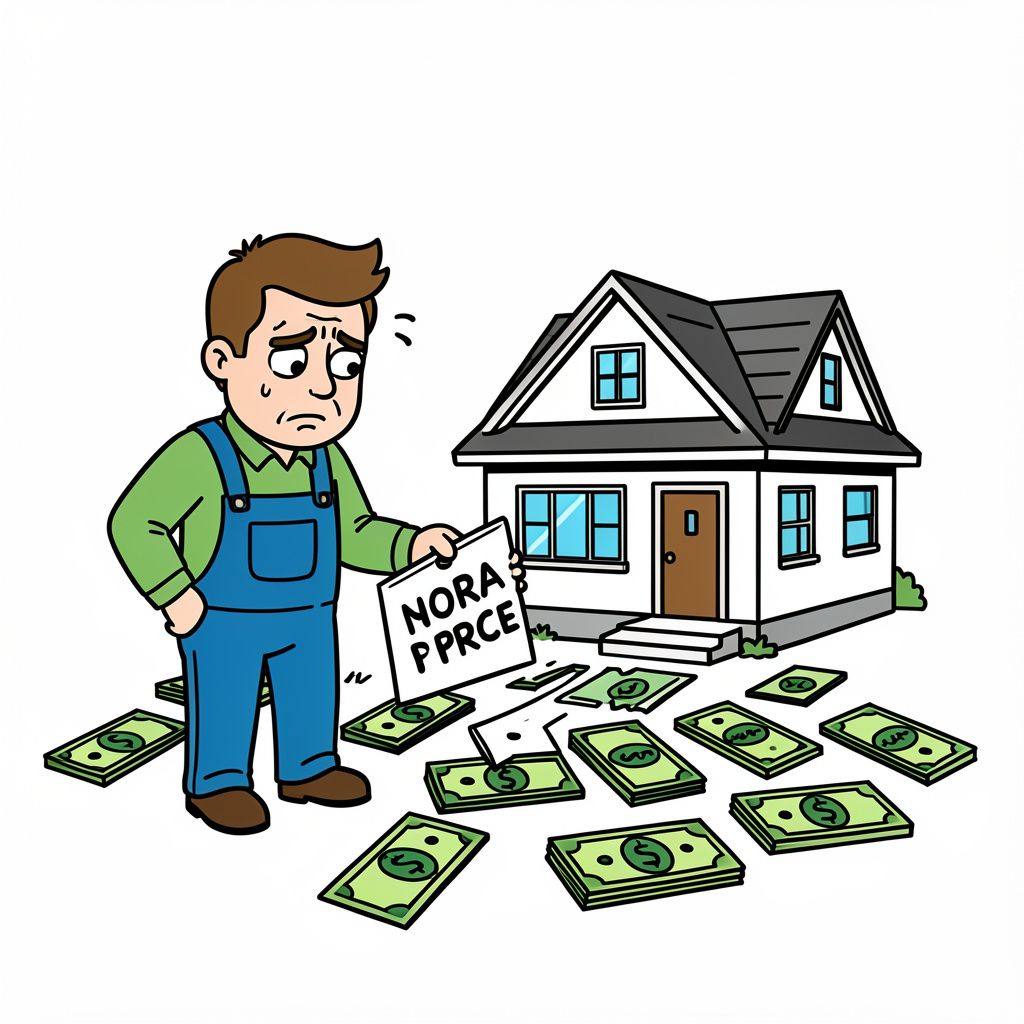
In response to the sharp decline in demand, builders are taking unprecedented measures to stimulate sales. A record 43% of builders cut prices in October 2026, the highest share recorded since 2020, with the average price reduction holding steady at 6% for the seventh consecutive month [2][4][8]. Additionally, 65% of builders reported offering sales incentives, a trend that has persisted for 19 straight months [2][4][8]. These concessions, which include mortgage-rate buydowns, closing cost assistance, and upgrades to properties, reflect a shift toward aggressive pricing strategies to attract cautious buyers [8]. The Midwest, despite its relative resilience, saw its three-month moving average decline by three points to 40, while the South and West experienced sharper drops to 30 and 26, respectively [4].
Broader Economic Implications
The collapse in builder confidence is not an isolated phenomenon but a symptom of deeper economic headwinds. New home sales fell 0.6% in September 2026 to a seasonally adjusted annual rate of 676,000 units, marking a 5.3% decline year-over-year [6]. The median new home sales price increased 3.9% month-over-month to $400,400 but remains 3.9% lower than a year ago, reflecting the dual pressures of high rates and softer demand [6]. NAHB Chief Economist Robert Dietz noted that buyer traffic has fallen to its lowest level since April 2012 (excluding the pandemic’s onset in April 2020), signaling a prolonged period of subdued activity in the housing market [2][4]. With affordability remaining a critical hurdle, policymakers and industry leaders are closely monitoring the sector’s trajectory, as prolonged weakness in residential construction could ripple through the broader economy, impacting employment, consumer spending, and GDP growth [2][4][6].
Sources
- www.mortgagenewsdaily.com
- www.windowanddoor.com
- www.facebook.com
- movewithmomentum.com
- www.instagram.com
- www.nahb.org
- www.facebook.com
- www.greatlakesrealestate.com