U.S.-Iran Diplomatic Summit Collapses Over Nuclear Disagreements
Islamabad, Sunday, 12 April 2026.
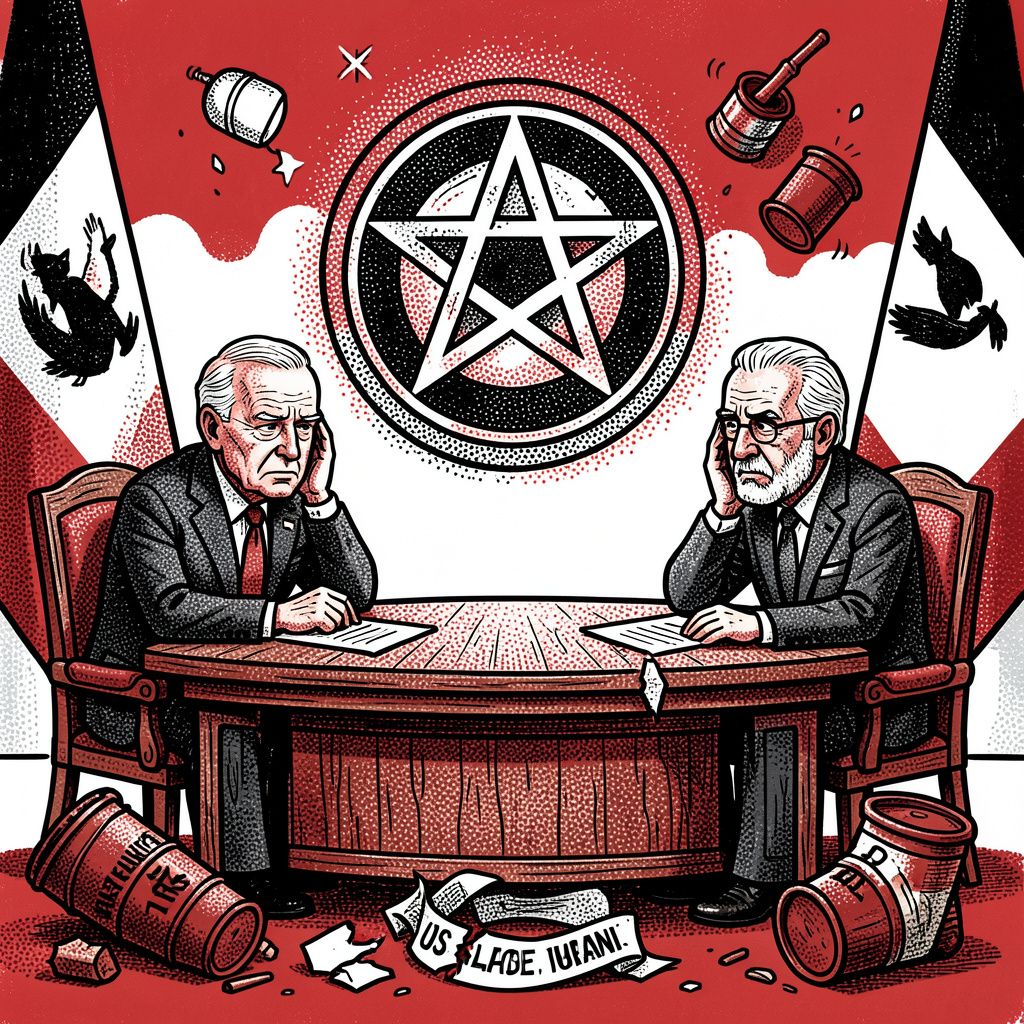
Historic 21-hour U.S.-Iran negotiations in Islamabad collapsed over nuclear disagreements. This diplomatic failure threatens the fragile Middle East ceasefire, heightening risks of renewed warfare and global energy disruptions.
From Optimism to Deadlock
Just days after global markets looked to Islamabad with cautious optimism during the opening of historic U.S.-Iran peace talks
Red Lines and Nuclear Stalemates
The crux of the diplomatic collapse centered on Iran’s nuclear capabilities and the timeline for economic relief [1][4]. According to U.S. officials, the primary American demand was a long-term, “affirmative commitment” from Tehran to abandon its pursuit of nuclear weapons and the infrastructure required for rapid production [2][4]. Iran, however, refused to surrender its enriched uranium stockpiles [4]. Furthermore, Iranian negotiators insisted on the immediate lifting of primary and secondary U.S. sanctions, a condition the American delegation swiftly rejected [1][7].
The Strait of Hormuz and Energy Security
Beyond nuclear proliferation, control over the Strait of Hormuz emerged as a critical barrier to peace [2][4]. The strategic waterway, a vital artery for global commerce, was a central component of a 10-point proposal put forward by Iran, which demanded continued sovereign control over the strait [7]. This demand clashed directly with international navigational laws and the strategic interests of the United States and its allies [7]. To contextualize the energy market dynamics at play, the U.S. currently produces up to 21 million barrels of oil per day—equivalent to 95.455 percent of the maximum combined daily production of energy giants Russia and Saudi Arabia [5]. Ensuring the free flow of these resources remains a top priority for Western leaders, with French President Emmanuel Macron explicitly urging Iranian President Masoud Pezeshkian to restore freedom of navigation in the region [3][5].
A Blame Game Amid Regional Fragility
As the U.S. delegation returned to Washington, Iranian state media immediately launched a counter-narrative, accusing the United States of harboring “excessive demands” and actively seeking an excuse to abandon the negotiating table [1][3][4]. Esmaeil Baghaei, Iran’s foreign ministry spokesperson, highlighted the deeply rooted mistrust between the two nations, noting that after 40 days of open warfare, “we should not have expected an agreement in just one meeting” [3]. Iranian officials maintain that the “ball is in America’s court,” a sentiment that aligns with a defiant public statement recently issued by Iran’s supreme leader [1][8].