Youth Revolts in Albania Threaten Stability as Protests Enter Eighth Day
Tirana, Thursday, 22 October 2026.
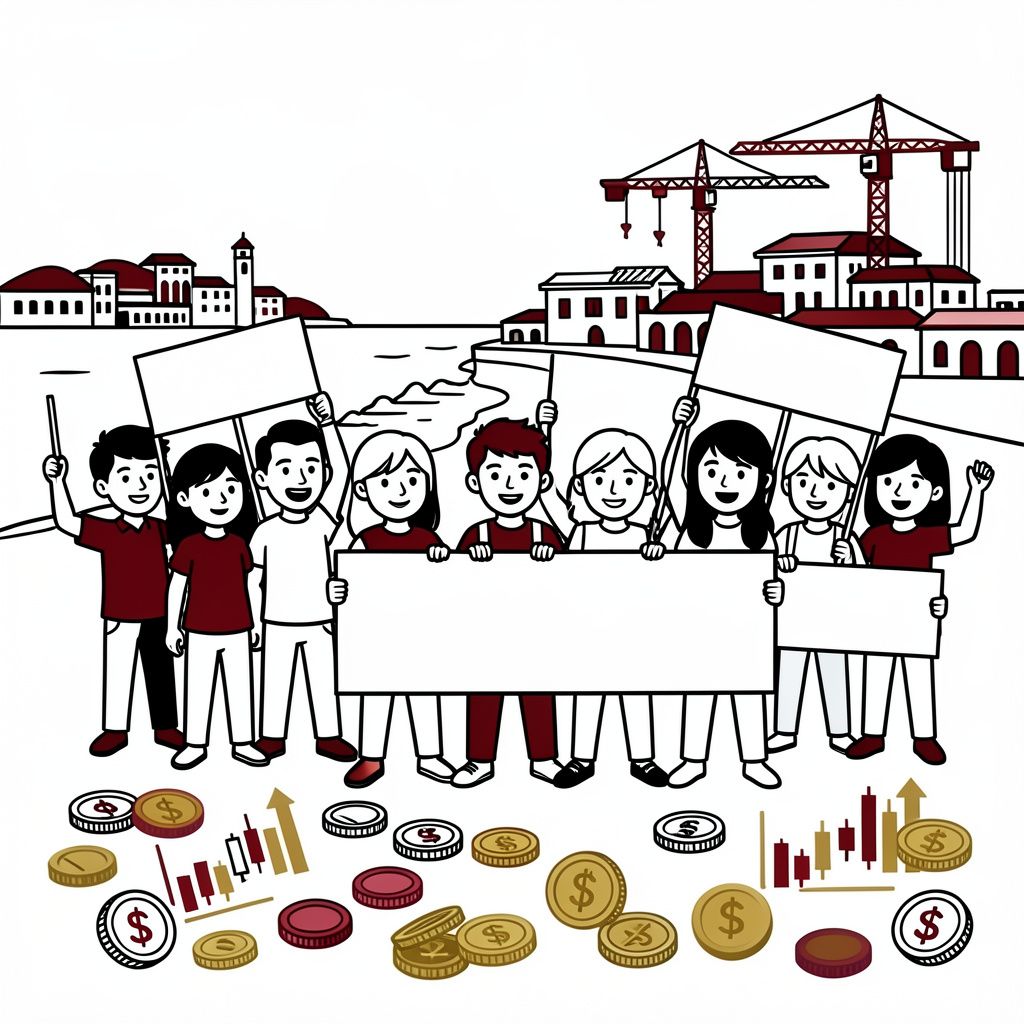
Eighth-day anti-corruption riots in Albania, sparked partly by controversial coastal real-estate projects, have left nearly 300 injured, escalating political risks for foreign investments and European integration.
Escalating Violence and Casualties in Tirana
Anti-government demonstrations in Tirana entered their eighth consecutive day on Tuesday, 21 October 2026, marking a significant escalation in civil unrest [2]. Police utilized tear gas and water cannons to disperse crowds in the capital, where high school and university students have joined broader calls for Prime Minister Edi Rama’s resignation [2]. Official figures reported prior to 19 October 2026 indicate 295 total injuries, with 186 of those sustained by police officers [1]. This means approximately 63.051 percent of the injured were law enforcement personnel, highlighting the intensity of the confrontations [1]. Human rights lawyer Gentian Sejrani reported providing legal support to over 100 arrested individuals, alleging that police actions remain chaotic and evidence is rarely presented in court [1].
Origins of the Flamingo Movement
The current unrest originated in May 2026 as an environmental demonstration against a luxury resort threatening the protected coastline, eventually dubbed the Flamingo Revolution [3]. The movement escalated significantly around 12 October 2026, when school and university students joined the protests citing rising tuition fees and crumbling infrastructure [3]. By 13 October 2026, protesters were observed targeting the Education Ministry, shifting the focus toward broader governance issues [3]. Activist Sidorela Vatnikaj, coordinating logistics for the leaderless movement, demanded a one-year technocratic government to prepare for democratic elections [1]. This demand stems from accusations that Prime Minister Rama, in power for 13 years, has collaborated with organized crime and foreign investors to rig past elections [1].
Government Response and Political Risk
Prime Minister Edi Rama characterized the unrest as a hybrid war based on real concerns but hijacked by political extremism [2]. On 19 October 2026, Rama stated that protests are a right whereas violence is a crime, drawing a firm red line at this critical stage of democratic development [5]. In response to the unrest, the administration authorized a 2,500-euro bonus for front-line police officers and announced significant salary increases scheduled for 2027 [3]. The European Commission released a statement on 19 October 2026 condemning the violence, noting it has no place in a democratic society and urging constructive dialogue [5]. However, the escalating unrest poses heightened political risk for foreign investors evaluating infrastructure and real estate developments across Southeastern Europe [1].
Socioeconomic Context and Emigration
Underlying the protests is deep-seated anger fueled by demographic shifts, with approximately 1 million Albanians emigrating in the past decade [1]. Gen Z protesters describe feeling robbed, bullied, ignored, and beaten up by the state apparatus [1]. Thousands of young Albanians gathered outside the Education Ministry in the center of the capital over the weekend, signaling a growing student-led movement [6]. Media analysts note that while there is no clear evidence of a single consolidated structure behind the protests, a large number of young people feel unrepresented by the whole political class [3]. As of 21 October 2026, the situation remains a deadlock without clear negotiation leadership or international intervention [3].
Sources
- www.bbc.com
- apnews.com
- www.aljazeera.com
- www.facebook.com
- www.euronews.com
- www.facebook.com
- www.instagram.com