Ravens Star Marlon Humphrey Apologizes After Derogatory Remarks About Baltimore Spark Outrage
Baltimore, Thursday, 19 November 2026.
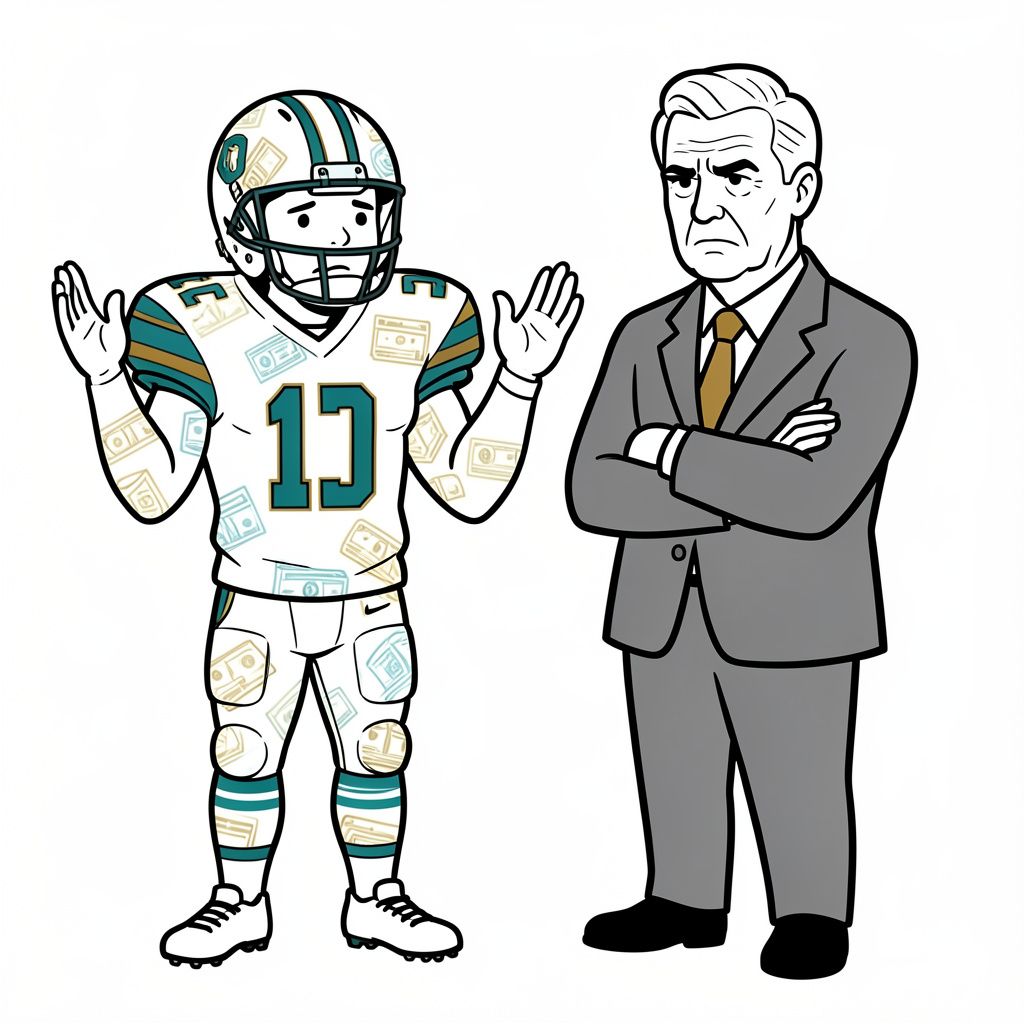
Marlon Humphrey apologized for claiming Baltimore excels at creating criminals, prompting Mayor Brandon Scott to reject a purely verbal apology and demand meaningful community action.
Controversial Podcast Remarks Spark Immediate Backlash
Baltimore Ravens cornerback Marlon Humphrey, a ten-year veteran and Pro Bowl selection, ignited a firestorm on Tuesday, 16 November 2026, after calling Baltimore the city ‘best at making criminals’ during an episode of his podcast, The Marlon Humphrey Show [1][2][4]. The remark, which was widely circulated on social media, drew sharp condemnation from civic leaders, business figures, and residents who viewed the comment as an indictment of the city’s character and identity. Humphrey’s remarks came just one day after the Ravens suffered a costly loss to the Los Angeles Chargers in a game marked by a fumble by wide receiver Zay Flowers and a mass exodus of fans from M&T Bank Stadium [3].
Rapid Apology Follows Public Outrage
Facing immediate backlash, Humphrey issued a public apology on Wednesday, 17 November 2026, during a media availability at the team’s Owings Mills facility [1][2][3]. Speaking to reporters, he acknowledged the impact of his words and emphasized his long-standing commitment to the city: “As you guys know, I’ve been here my whole career. I’ve spent lots of offseasons here, welcomed a son here. I’m an investor in the city, an investor in different areas and parts of the state. Obviously, I do know the effect that words have, and I’d just like to apologize for those comments” [1][2][3]. The apology was widely reported and shared across social platforms, including Instagram, where the team and fans awaited a substantive response from city leadership [5].
Mayor Scott Rejects Verbal Apology, Demands Action
Baltimore Mayor Brandon Scott responded swiftly and firmly, posting on social media that “a verbal apology is not enough” for residents, particularly young Black boys who look to Ravens players as role models [2][3][5]. In a statement laced with personal and civic urgency, the mayor added, “To have someone that looks like them who wears a Baltimore Ravens jersey relegate them to becoming criminals cuts deeper” [3]. He invited Humphrey to meet with him and rehabilitated individuals working with city youth to engage in dialogue about prevention and community uplift [2][3]. The mayor’s stance underscored a growing expectation among civic leaders that public figures bear responsibility not only for words but for contributing to tangible solutions in high-need communities.
Contract Implications and Team Dynamics in the Spotlight
Humphrey’s remarks carry added weight given his status as a cornerstone of the Ravens’ defense and the final year of a five-year, $98.75 million contract [3][5]. With a league-high cap hit of $26.3 million in 2026 [2], his on-field performance and public image have direct implications for both team valuation and fan engagement [GPT]. Teammates and coaching staff have largely defended Humphrey’s character, with safety Kyle Hamilton noting his intensity and commitment, while head coach Jesse Minter urged that such conversations remain private [3]. The incident comes amid a five-game losing streak and raises questions about the intersection of athlete identity, community representation, and brand equity in a major sports market.
Broader Implications for Athlete-City Relations
The controversy highlights the delicate balance athletes must strike when commenting on the cities they represent—especially when those cities face long-standing socioeconomic challenges [alert! ‘public perception of Baltimore’s crime rates is complex and often debated’]. While Humphrey’s investment in local real estate and community initiatives demonstrates personal commitment to the city’s future [1][2], his words risk overshadowing these contributions and reinforcing negative stereotypes. The episode serves as a case study in crisis communication, where the speed of apology and willingness to engage in restorative dialogue may matter as much as the initial intent behind the words.
Sources
- www.nbcsports.com
- www.cbssports.com
- www.wbaltv.com
- www.youtube.com
- www.instagram.com
- www.nytimes.com
- x.com