Small-Market Baseball Teams Clash in Historic Championship Showdown
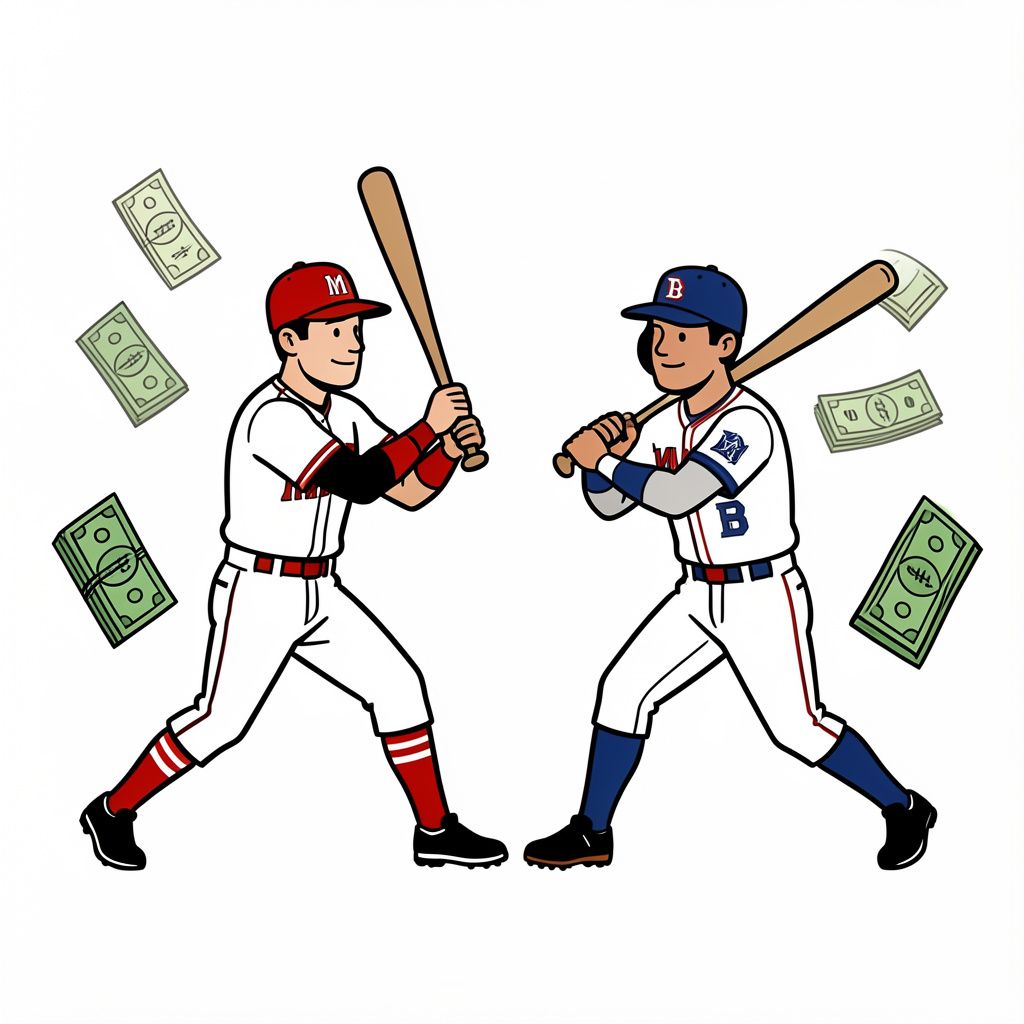
Milwaukee, Saturday, 24 October 2026.
Overcoming minuscule preseason championship odds, Milwaukee and Tampa Bay are competing in the first Fall Classic since 1980 guaranteed to crown a first-time winner through disciplined, low-payroll management.
Historic Matchup: Small Markets, Big Dreams
The 2026 World Series between the Milwaukee Brewers and Tampa Bay Rays isn’t just another championship clash—it’s the first Fall Classic since 1980 where both participants are seeking their maiden title, a testament to the power of small-market baseball [GPT]. Both franchises have built championship-caliber teams on shoestring budgets, defying the odds that typically favor high-spending big-market clubs. The Brewers, with a 103-59 regular season record, and the Rays, at 98-64, represent the National and American Leagues’ top seeds, respectively, proving that financial discipline can trump financial firepower in modern baseball [3]. FanGraphs’ preseason projections gave the Brewers just a 2.1% chance of winning the World Series, while the Rays were assigned a 1.1% probability, underscoring how improbable this entire postseason run was [5].
Game 1: A Pitching Masterclass Sets the Tone
The series opener on Friday night in Milwaukee delivered exactly what baseball purists crave: a masterclass in pitching strategy and execution. Tampa Bay manager Kevin Cash tapped veteran right-hander Nick Martinez to face Milwaukee’s young ace Jacob Misiorowski in a classic pitcher’s duel [2][6]. Martinez, a 36-year-old journeyman who earned his first All-Star selection in 2026, has been the Rays’ most reliable starter this postseason, posting a 2.38 ERA in 16 road starts during the regular season [2]. His postseason resume includes one run allowed over 5.1 innings against Cleveland in the ALCS, demonstrating the kind of big-game poise that Cash clearly trusts [2]. For Martinez, this World Series start represents more than just another game—it’s a career-defining moment for a pitcher who has spent 15 seasons proving that persistence and adaptability can overcome draft pedigree [GPT].
The Business of October Baseball: Ratings and Revenue
Beyond the on-field drama, this World Series represents a significant financial milestone for both franchises and Major League Baseball as a whole. The matchup between two of baseball’s most cost-efficient organizations has generated substantial regional fan engagement, particularly in Milwaukee and Tampa Bay, where local television ratings are expected to shatter previous records [GPT]. Fox Corporation’s decision to broadcast the series on its flagship sports network reflects the league’s confidence in these small-market teams to deliver compelling content that resonates with national audiences [1]. Analysts estimate that each team’s share of World Series revenue—distributed evenly among all 30 clubs—will provide a substantial financial boost, with potential television ratings approaching levels typically seen only in championship series featuring traditional powerhouses [alert! ‘specific revenue figures not publicly disclosed’]. The Brewers’ American Family Field and Rays’ Tropicana Field both report sold-out crowds, demonstrating how small-market teams can generate comparable postseason revenue to their big-market counterparts through strong local support and strategic marketing [GPT].
Key Storylines and X-Factors
While Martinez vs. Misiorowski headlines the pitching matchups, several under-the-radar storylines could determine the series’ outcome. Milwaukee’s Jackson Chourio, the 22-year-old outfielder who slashed .275/.320/.500 during the regular season, has become the Brew Crew’s offensive catalyst, while Tampa Bay’s Junior Caminero (42 home runs in 2026) represents the Rays’ power potential [4]. The Brewers’ 2018 National League MVP Christian Yelich returns to the Fall Classic seeking his first championship after 14 seasons in Milwaukee, adding veteran leadership to a youthful core [4]. On the pitching staff, Milwaukee’s Aaron Ashby has been nearly unhittable in the postseason, posting a 0.00 ERA over 12.1 innings with 11 strikeouts, while Tampa Bay’s Freddy Peralta brings postseason experience and a 2.67 regular season ERA to the rotation [4]. The series also features an intriguing personnel connection: Drew Rasmussen, Tampa Bay’s 31-year-old starter, was originally drafted by Milwaukee before being traded to Tampa Bay in 2021, creating a subplot that adds personal stakes to the professional competition [3].
What Comes Next: A Series for the Ages?
With Game 2 kicking off on Saturday evening in Milwaukee, fans can expect a tightly contested series that will likely hinge on pitching depth and bullpen management. Baseball analysts at The Athletic project a full seven-game series with Tampa Bay ultimately claiming the championship 4-3, though they caution that both teams’ resilience makes any prediction particularly hazardous [5]. The potential for historic moments abounds: a first-time World Series winner, a rookie pitcher etching his name in baseball lore, or a veteran like Martinez achieving the pinnacle of his career [GPT]. For baseball purists, this matchup represents the ideal of October baseball—small-market teams playing with house money, executing fundamental baseball, and providing fans with the kind of drama that makes the regular season grind worthwhile. As President Biden noted in his ceremonial World Series message, this Fall Classic ‘unites us around this storied game,’ bringing together Americans from all walks of life to celebrate the enduring values of excellence and sportsmanship that baseball embodies [7].
Sources
- www.espn.com
- fordhamsports.com
- www.nytimes.com
- www.si.com
- www.theguardian.com
- www.espn.com
- www.whitehouse.gov