Trump Threatens Military Strikes on US Ally Oman Over Strait of Hormuz Control
Washington, Thursday, 28 May 2026.
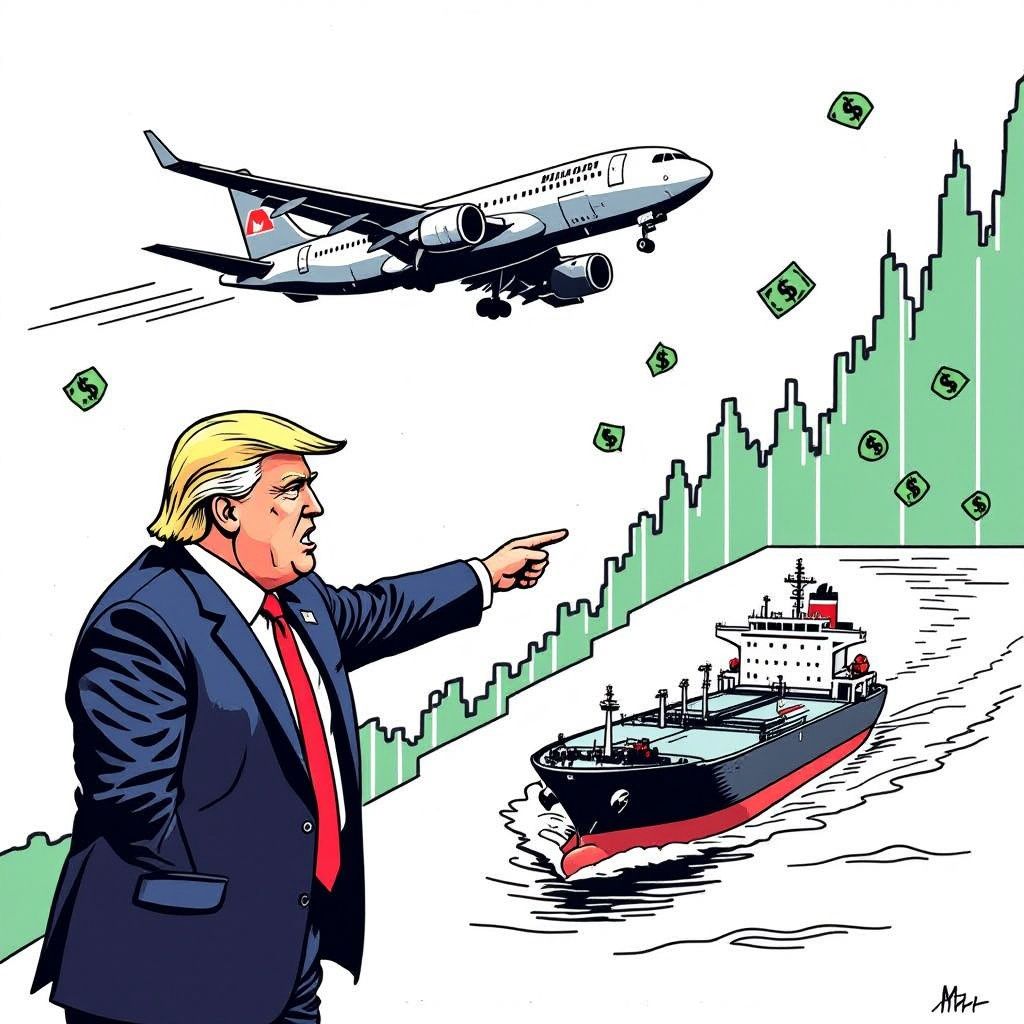
President Trump threatened military action against long-time US ally Oman if it partners with Iran to toll the Strait of Hormuz, risking further disruptions to global energy markets.
A 200-Year Alliance Under Fire
President Donald Trump’s rhetoric took an unprecedented turn on Wednesday, May 27, 2026, during a highly anticipated Cabinet meeting. Originally scheduled for Camp David but relocated to the White House due to weather concerns [8], the meeting became the staging ground for a stark ultimatum directed at a long-standing American ally [1][8]. Reacting to reports of a draft memorandum of understanding between Muscat and Tehran to jointly manage commercial shipping in the Strait of Hormuz, the 79-year-old president issued a direct military threat [2][5]. “Oman will behave just like everybody else, or we’ll have to blow them up,” Trump told reporters, adding that the strategic waterway must remain open to international traffic [1][3]. The State Department subsequently amplified these remarks on social media, cementing the administration’s uncompromising stance [1][3].
The Economics of a Global Chokepoint
At the core of the diplomatic rupture is a proposed toll system. According to unofficial draft agreements broadcast by Iranian state media and reported by financial outlets, Iran and Oman would cooperatively manage transit fees in exchange for the U.S. lifting its naval blockade and withdrawing forces [1][7]. Iranian analysts, such as Foad Izadi, have publicly defended the proposal, arguing that the strait consists entirely of Omani and Iranian territorial waters rather than international waters, thereby granting them the sovereign right to charge navigation fees akin to practices in Canada and Australia [4]. From an economic perspective, the near-total closure of the strait over the past three months has been devastating [GPT]. Prior to the conflict, the waterway saw between 125 and 140 commercial vessels transit daily; by May 20, 2026, Iran’s Islamic Revolutionary Guards Navy reported a staggering reduction to just 23 ships in a 24-hour period [6], representing a massive decline in maritime traffic of up to 83.571 percent.
Kinetic Escalation and Shifting Goalposts
The geopolitical standoff is not confined to rhetoric. On the same day as Trump’s remarks, U.S. forces engaged in direct kinetic action, shooting down four Iranian drones over the strait and striking a ground control station in Bandar Abbas [7]. This followed military strikes on May 25, during which the U.S. sank two Islamic Revolutionary Guards Corps speedboats attempting to lay mines in the waterway [7]. The military friction is further complicated by new diplomatic hurdles introduced by the White House [GPT]. President Trump has demanded that regional powers, specifically Saudi Arabia and Qatar, formally sign the 2020 Abraham Accords as a prerequisite for any permanent U.S.-Iran ceasefire [2][5].
Sources
- www.politico.com
- www.aljazeera.com
- thehill.com
- timesofindia.indiatimes.com
- www.thedailybeast.com
- www.reuters.com
- www.nytimes.com
- wsnext.com