Chinese Police Shut Down Lucrative Video Game Collectible Counterfeiting Ring
Shanghai, Saturday, 21 November 2026.
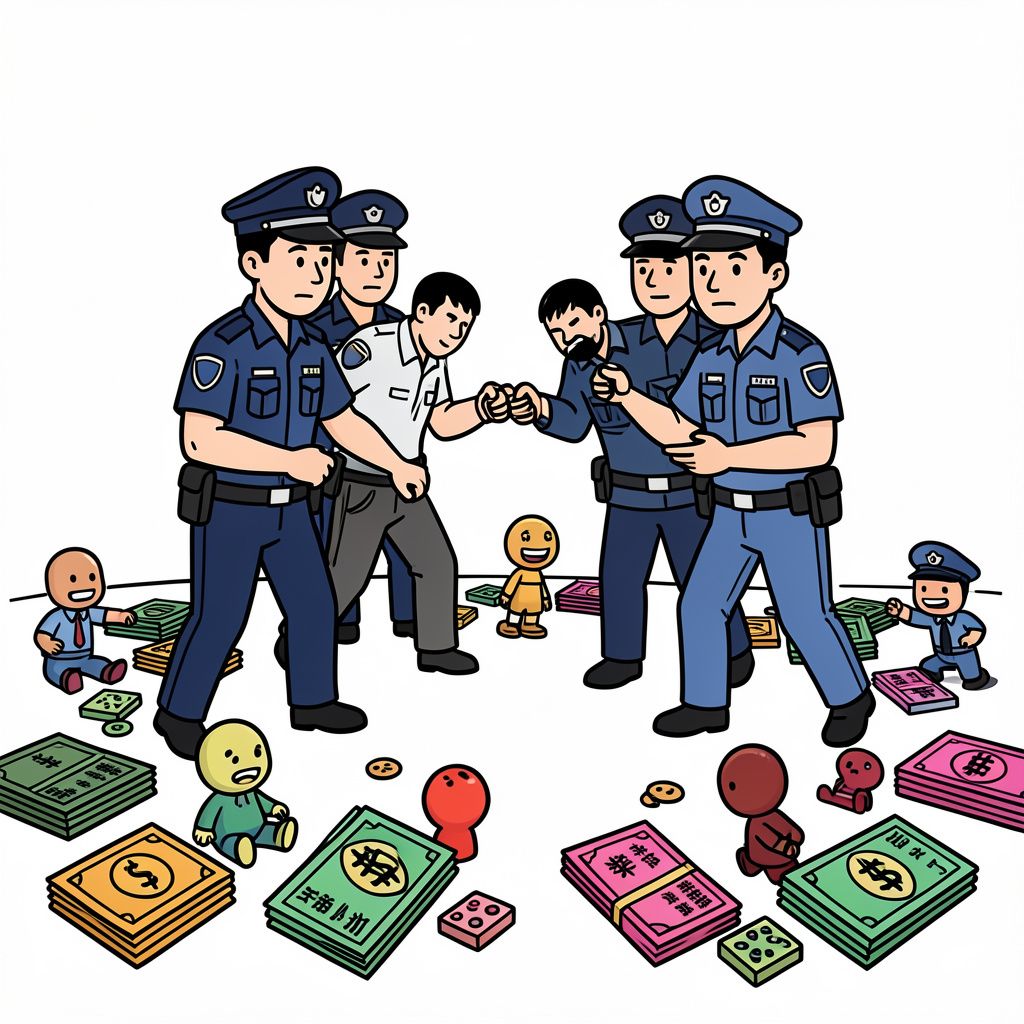
Shanghai authorities arrested 13 suspects behind a $300,000 gaming merchandise ring that capitalized on unmet consumer demand by selling unlicensed, highly customized figures at prices exceeding the authentic originals.
Shanghai Police Dismantle Counterfeit Gaming Merchandise Ring
On 20 November 2026, Shanghai police dismantled an illicit ring producing and distributing counterfeit collectibles based on Square Enix’s Final Fantasy VII franchise, resulting in the arrest of 13 suspects. The operation, which began in May 2026 following consumer complaints about substandard materials, targeted unauthorized Tifa Lockhart figures and generated approximately 2.1 million yuan (2,100,000 / 7 ≈ 300,000 USD) in revenue [1][2][3][4][5]. Two storefronts were shut down, and numerous bootleg items—including model kits—were seized during coordinated raids in Shanghai and Guangzhou [3][4][5].
Counterfeit Figures Outsold Authentic Merchandise by Exploiting Gaps in Licensing
The counterfeit Tifa Lockhart figures closely mimicked official Square Enix products but included extensive customization options—such as interchangeable faces and accessories—unavailable in licensed versions. This allowed the bootleg items to command prices up to 2,580 yuan (≈ $368 USD), surpassing the official retail price of around 980 yuan (≈ $140 USD) [4][5]. Investigators noted that official manufacturers face production and copyright constraints that limit such add-ons, a gap exploited by counterfeiters to attract buyers [4][5].
Consumer Complaints Triggered Investigation into Substandard Materials
The investigation was initiated after multiple consumers reported discrepancies in material quality compared to official products. Shanghai police confirmed copyright infringement with Square Enix, leading to the shutdown of the counterfeit operation [1][2][3]. The case reflects broader efforts by Chinese authorities to crack down on intellectual property violations, with Shanghai investigating over 30 such cases in 2026 alone, implicating more than 140 suspects and totaling over 70 million yuan (≈ $10 million USD) in case value [3][5].
Counterfeiters Leveraged Market Demand to Undercut Licensed Products
The counterfeit ring operated from 2024 to November 2026, with sales peaking due to unmet demand for high-quality collectibles. Some bootleg figures were priced at 1,280 yuan (≈ $183 USD) or higher, positioning them as premium alternatives to official merchandise [4][5]. Online discussions highlighted the stark contrast between counterfeit and authentic versions, with buyers praising the former’s material quality and customization options [4][5][alert! ‘Public sentiment does not reflect legal or ethical judgments’].
Broader Implications for Intellectual Property Enforcement in Gaming
The raid underscores China’s intensified efforts to combat counterfeit gaming merchandise, particularly in high-demand franchises like Final Fantasy VII. While the case targeted Tifa Lockhart figures, authorities have expanded investigations to other collectible categories, signaling a stricter regulatory environment for unauthorized reproductions [3][5]. Analysts suggest that the crackdown may deter similar operations but warn that counterfeiters often adapt by shifting to less-regulated markets or platforms [GPT].