Donald Trump Jr. Opposes President Trump on Iran Military Conflict
Washington, Wednesday, 21 October 2026.
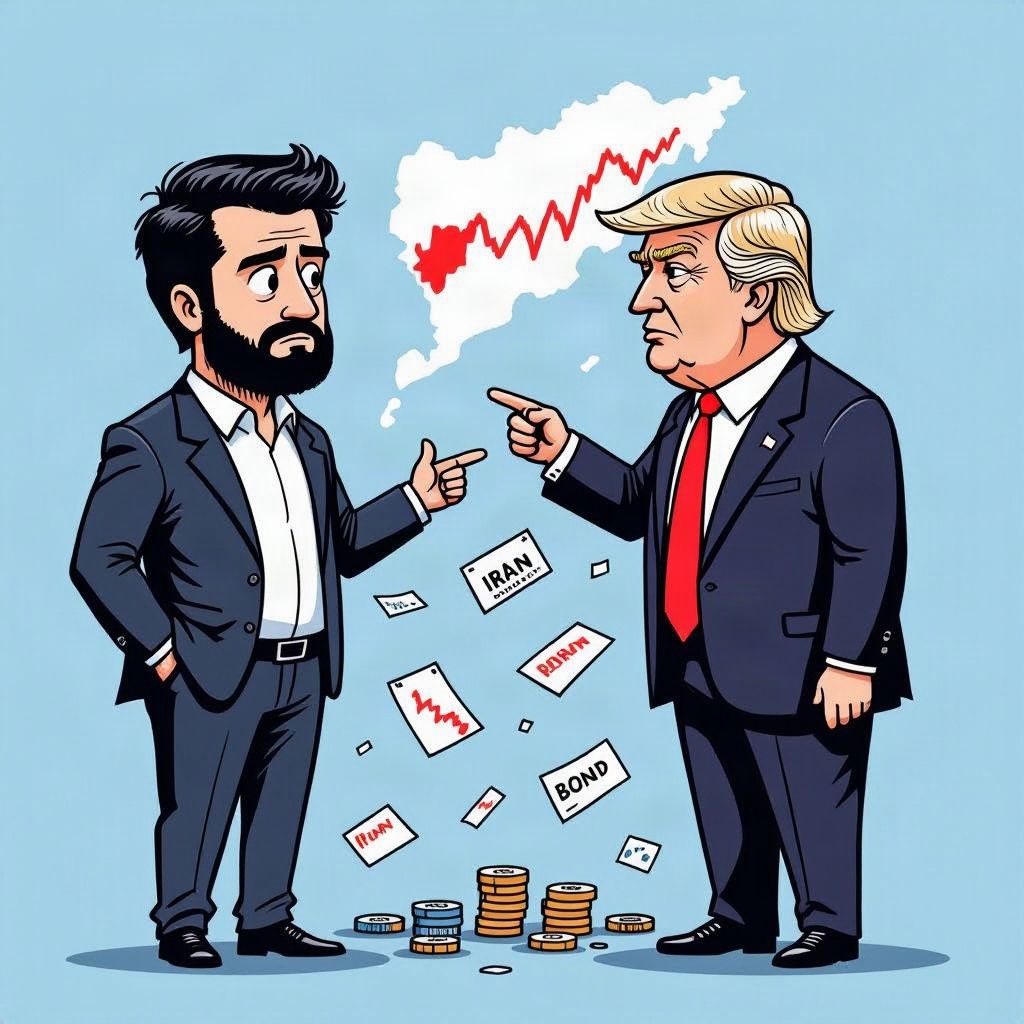
Donald Trump Jr. privately voiced opposition to the United States military conflict with Iran, highlighting growing internal divisions as public approval falls and economic pressures rise.
Private Opposition Emerges
Reports surfaced on October 20, 2026, revealing Donald Trump Jr. privately voiced strong opposition to President Donald Trump regarding the administration’s military escalation and war with Iran [1][4]. According to sources, Trump Jr. opposed the military intervention from its inception, expressing concerns over the geopolitical and economic consequences of a prolonged Middle East conflict [1]. The conflict between the U.S. and Iran began in late February 2026, resulting in an American naval blockade and severe sanctions against Iran [2]. As of October 19, 2026, the conflict has reached a stalemate nine months into the war, with the US administration continuing to test new economic and military measures to force Iranian capitulation [3].
Economic Pressure and Political Fallout
Iranian state media and officials are actively using high U.S. gas prices and economic indicators to criticize President Trump’s political standing ahead of the midterm elections [2]. President Trump is currently exercising caution regarding military escalation with Iran, fearing it could further increase oil prices and negatively impact his support among voters who generally oppose the conflict [2]. Polling data indicates approval of the president’s handling of the conflict had fallen from 33% in March to just 26% [1]. This represents a significant decline in public support -21.212 [1]. Even House Speaker Mike Johnson (R-LA) has publicly urged Trump to wrap it up in Iran, making those calls as far back as July [1].
Military Posturing and Regional Risks
On October 12, 2026, residents in Tehran reported widespread fear and preparation for renewed bombing campaigns [3]. Iranian military commanders claimed the construction of large weapon stockpiles intended for use if the US resumes conflict [3]. In early October 2026, the US military relocated all long-range bombers from the United Kingdom to home bases in the US following an alleged Iranian plot to target the RAF Fairford airbase [3]. On October 17, 2026, Iranian military officials publicly dismissed US escalation threats regarding the potential use of the GBU-43/B Massive Ordnance Air Blast Bomb against Iranian energy and nuclear infrastructure [3].
Internal Dissent and Strategic Divergence
Internal administration dissent exists, with Vice President Vance and other close advisers expressing private opposition to the war [4]. CIA Director John Ratcliffe and Secretary of State Marco Rubio were skeptical of Israeli PM Benjamin Netanyahu’s February 2026 proposal for a regime-change air campaign [4]. A Pew Research Center survey from September/October 2026 indicates 65% of Americans disapprove of Trump’s handling of the Iran operation [4]. Nearly 50% of Americans expect the Iran conflict to exceed one year in duration, significantly longer than the administration’s initial estimate of 4 to 6 weeks [4].