China’s Rail Giant Transforms Mexico’s Transport Just in Time for the World Cup
Mexico City, Thursday, 18 June 2026.
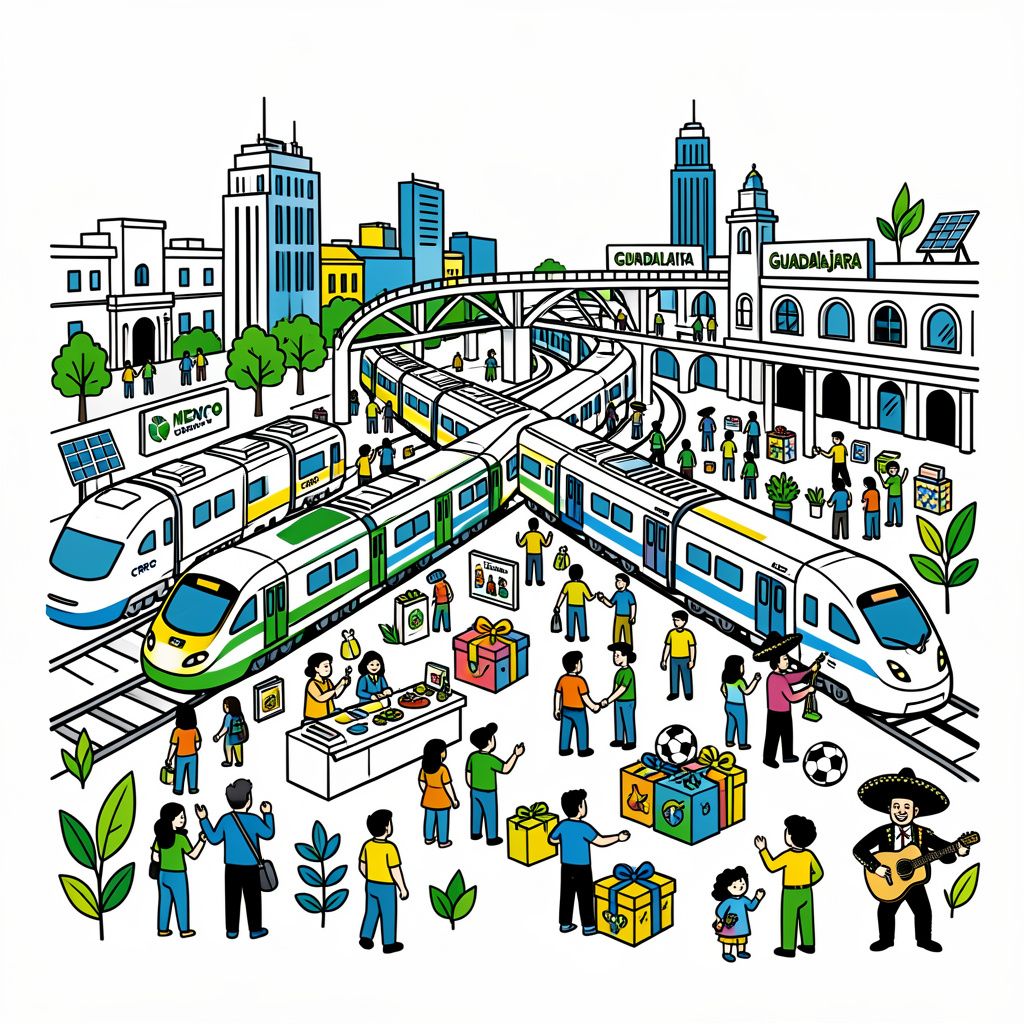
CRRC, the world’s largest rail supplier, has launched Green Energy Hubs in Mexico City and Guadalajara, slashing travel times by over 60% for commuters. As 1.25 million daily passengers rely on CRRC’s 115 trains during the 2026 FIFA World Cup, these hubs blend sustainability with culture—offering interactive exhibits, football-themed gifts, and even mariachi performances. The initiative marks a major step in Mexico’s shift to eco-friendly transport, with CRRC’s 24/7 support ensuring seamless operations. A game-changer for urban mobility.
CRRC’s Strategic Expansion into Latin America
China Railway Rolling Stock Corporation (CRRC), the world’s largest supplier of rail transit equipment, has strategically positioned itself as a key player in Mexico’s sustainable transport revolution. The company’s recent launch of Green Energy Hubs in Mexico City and Guadalajara represents more than just infrastructure development - it marks a significant milestone in Latin America’s transition toward eco-friendly urban mobility [1]. This expansion comes at a critical juncture as Mexico prepares to host the 2026 FIFA World Cup, with matches scheduled in Mexico City, Guadalajara, and Monterrey from 20 June to 19 July 2026 [1][2]. The initiative reflects growing regional demand for sustainable infrastructure solutions amid global decarbonization efforts, particularly in emerging markets where urbanization is accelerating [GPT].
The Green Energy Hubs: Where Technology Meets Culture
The newly inaugurated Green Energy Hubs at Tasqueña station in Mexico City and Tlajomulco Centro station in Guadalajara serve as multifunctional centers blending cutting-edge rail technology with local culture. These hubs feature an array of interactive exhibits including scale models of CRRC’s Fuxing high-speed trains and STE light rail vehicles, providing visitors with hands-on experiences of China’s advanced rail technology [1]. The cultural integration is particularly striking, with mariachi performances at Mexico City’s Tasqueña station creating a unique fusion of Chinese engineering and Mexican tradition [1]. Visitors can participate in sustainability challenges, collect football-themed gifts, and obtain Green Mobility Guides tailored to all three World Cup host cities [1][3]. This approach transforms public transport stations from mere transit points into community engagement centers, fostering both environmental awareness and cultural exchange.
Operational Excellence During High-Stakes Events
CRRC’s operational support during the 2026 FIFA World Cup demonstrates the company’s ability to maintain high-performance rail systems under extreme pressure. The company has implemented a comprehensive three-tier response mechanism to support its fleet of 115 light rail vehicles operating across Mexico City, Guadalajara, and Monterrey [4]. This support structure includes: (1) deployment of additional senior service engineers on-site, (2) establishment of a 24/7 emergency technical support team, and (3) implementation of all-weather operation protocols [4]. The scale of this operation is substantial, with the three LRV fleets expected to transport more than 1.25 million passengers daily throughout the tournament period [4]. CRRC’s preparations draw on extensive experience from previous major sporting events, including support for transport systems during the 2016 Rio Olympics and various international events in China [4].
Partnership Dynamics and Local Reception
The collaboration between CRRC and Mexican transport authorities has received strong endorsement from local officials, reflecting the success of this international partnership. Martín López, General Director of Mexico City’s Electric Transport Service (STE), has publicly praised CRRC’s performance, stating: “First and foremost, I would like to express my recognition and gratitude to CRRC China. Since our collaboration began, their team has worked with great efficiency and delivered projects on time; in addition, they provide comprehensive maintenance services with rapid response times and excellent support” [2]. This testimonial underscores the operational reliability that has become a hallmark of CRRC’s international projects. Fernando Enciso, Director of Culture at Guadalajara’s SITEUR, has similarly highlighted the broader societal impact of public transportation, noting that it “does more than move people; it also connects communities, creates urban culture, and can become a space for learning, reflection, and the development of better habits” [2]. These endorsements suggest that CRRC’s initiatives are achieving both technical and social objectives in Mexico’s urban centers.
Looking Ahead: Sustainable Transport Beyond the World Cup
While the immediate focus of CRRC’s Green Energy Hubs is supporting transport during the 2026 FIFA World Cup, the long-term implications for Mexico’s urban mobility are potentially transformative. The hubs are designed to remain active beyond the tournament period, serving as permanent centers for environmental education and sustainable transport promotion [1][3]. This aligns with broader trends in Latin America, where cities are increasingly prioritizing low-carbon transport solutions to address both climate change and urban congestion challenges [GPT]. CRRC’s Vice President Gao Feng has emphasized the company’s commitment to Mexico’s transport sector, stating that the light rail system “is an act of friendship; the Green Energy Hub is also a reflection of cooperation. We will meet the highest standards and provide the best service to ensure safe train operations for passengers” [1]. This statement suggests that CRRC views its Mexican operations as a long-term investment rather than a short-term project, positioning the company to play a significant role in the country’s ongoing urban development.