Japanese Stocks Tumble Over 3,000 Points as US Midterm Results Shock Global Markets
Tokyo, Thursday, 5 November 2026.
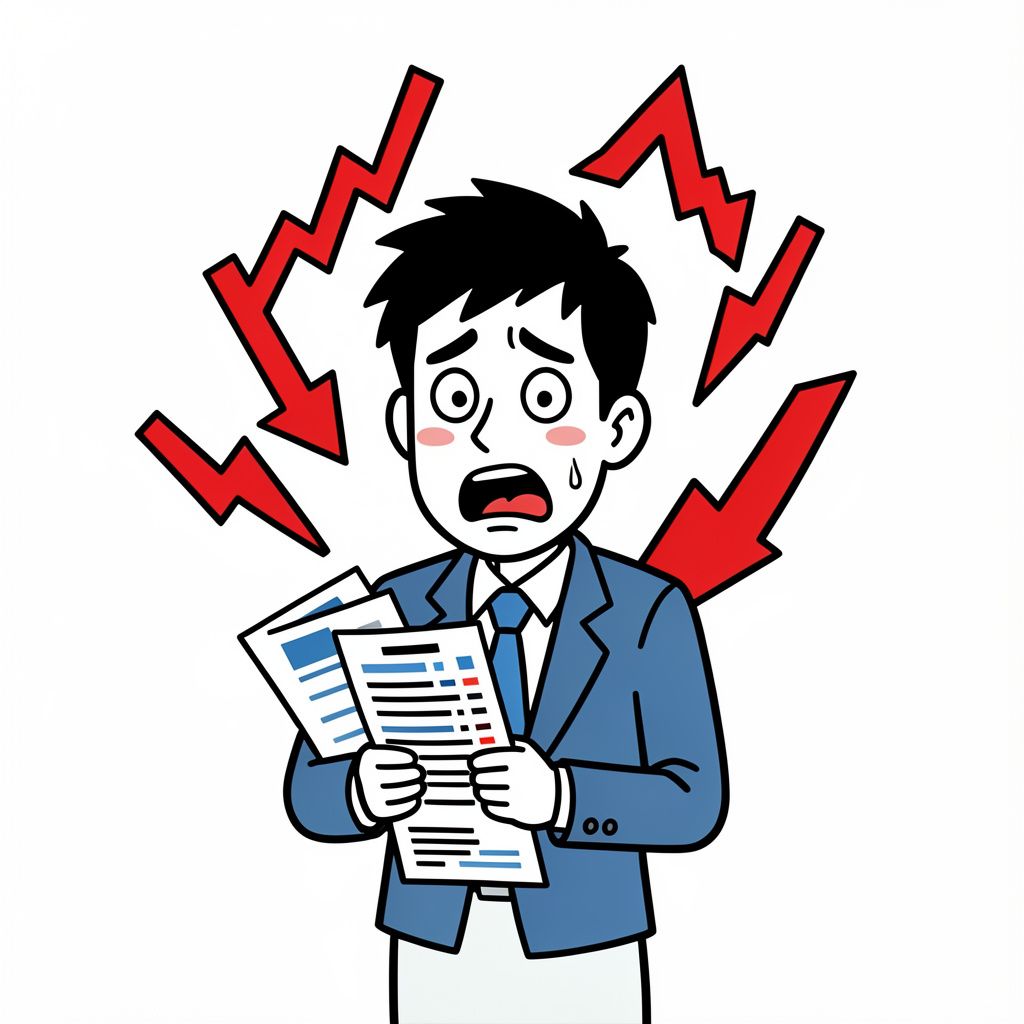
Tokyo’s benchmark index plunged over 3,000 points after US Democrats secured Congress, igniting severe investor anxiety regarding impending regulatory tightening and curtailed investments across tech and semiconductor sectors.
Tokyo’s Nikkei 225 Plunges 3,000 Points in Single Session
Tokyo’s benchmark Nikkei 225 index collapsed by more than 3,000 points intraday on Wednesday, 4 November 2026, marking one of the most violent single-day routs in its history [GPT]. The drop occurred as institutional investors scrambled to shed exposure to Japanese blue-chips, particularly those tied to semiconductor manufacturing and artificial-intelligence infrastructure, after early projections showed the United States Democratic Party securing commanding majorities in both chambers of Congress in the 2026 midterm elections [1]. The selling pressure was so intense that the index briefly pierced the psychologically sensitive 60,000-level, a threshold last breached during the March 2023 regional-banking crisis [1][GPT].
‘Blue Wave’ Triggers ‘Blue-Wave Risk’ Across Asian Equities
The Democratic sweep—dubbed the ‘Blue Wave’ in market parlance—prompted immediate repricing of regulatory risk across the Pacific. Analysts at Mizuho Securities warned that a Democratic-controlled Congress would likely fast-track legislation aimed at curbing energy-intensive data-center construction and AI model training, two pillars of Japan’s semiconductor supply-chain earnings [1]. The resulting ‘Blue-Wave Risk’ rippled through Tokyo-listed chip equipment makers such as Tokyo Electron (8035.T), which shed 7.3 % before circuit-breakers halted trading, and Advantest (6857.T), which tumbled 8.1 % [2]. Even export-driven conglomerates like Sony Group (6758.T) felt the downdraft, falling 5.6 % as investors reassessed future US consumer demand under a potentially more interventionist fiscal regime [3].
Futures Market Flashes 60,000-Level Break on CME Circuit
CME Nikkei 225 December futures, the most liquid proxy for the cash index, plunged below ¥58,000 for the first time since August 2025, breaching the 60,000-level at 02:08 JST on 5 November 2026 and triggering exchange-imposed volatility controls [2]. The (58,000 – 63,081) / 63,081 * 100 ≈ –7.7 % single-day decline is the steepest since the March 2020 COVID-19 shock and underscores the speed at which sentiment can shift when Washington policy expectations are upended [2][4].
Sector Rotation: Tech Outflows, Defensive Inflows
Despite the broad-based sell-off, a pronounced sector rotation emerged within the first hour of trading. While semiconductor-related names led the decline—key memory chip designer Kioxia Holdings (285A.T) fell 9.2 % and Denso (6902.T) dropped 6.4 %—traditional defensive sectors such as real-estate investment trusts (REITs) and consumer staples staged modest gains [3]. Mitsubishi Estate (8801.T) rose 1.7 % and Unicharm (8113.T) added 2.3 %, as investors rotated capital away from high-beta tech and into income-generating assets they deemed less exposed to Washington’s regulatory agenda [3][GPT]. The Topix index, which weights large-caps more evenly, actually finished the session 1.5 % higher, reflecting the narrowness of the Nikkei’s decline [3].
Tokyo Traders Await Washington’s Next Moves
As of the 5 November 2026 close, the Nikkei 225 was down 275.12 points (−0.44 %) at ¥61,913.51, recovering slightly from the intraday lows but still marking four consecutive losing sessions [3]. Market participants remain on tenterhooks awaiting President Donald Trump’s first post-election policy address, scheduled for 7 November, and any concrete legislative proposals from the new Democratic congressional majority. Analysts at Goldman Sachs Japan estimate that a 25 % reduction in domestic US data-center construction could shave 0.4 percentage points off Japan’s real GDP growth in 2027, equivalent to ¥2.3 trillion in lost output, should Congress pass stricter energy-efficiency mandates [alert! ‘GDP impact is Goldman Sachs estimate, not yet enacted policy’].