New York Clashes Over Proposed Decade-Long Delay to Climate Targets
Albany, Wednesday, 15 April 2026.
As Governor Hochul proposes delaying New York’s climate targets to curb utility bills, advocates warn stalling the energy transition could cost households over $8,500 in long-term economic damages.
The Legislative Battle Lines Drawn in Albany
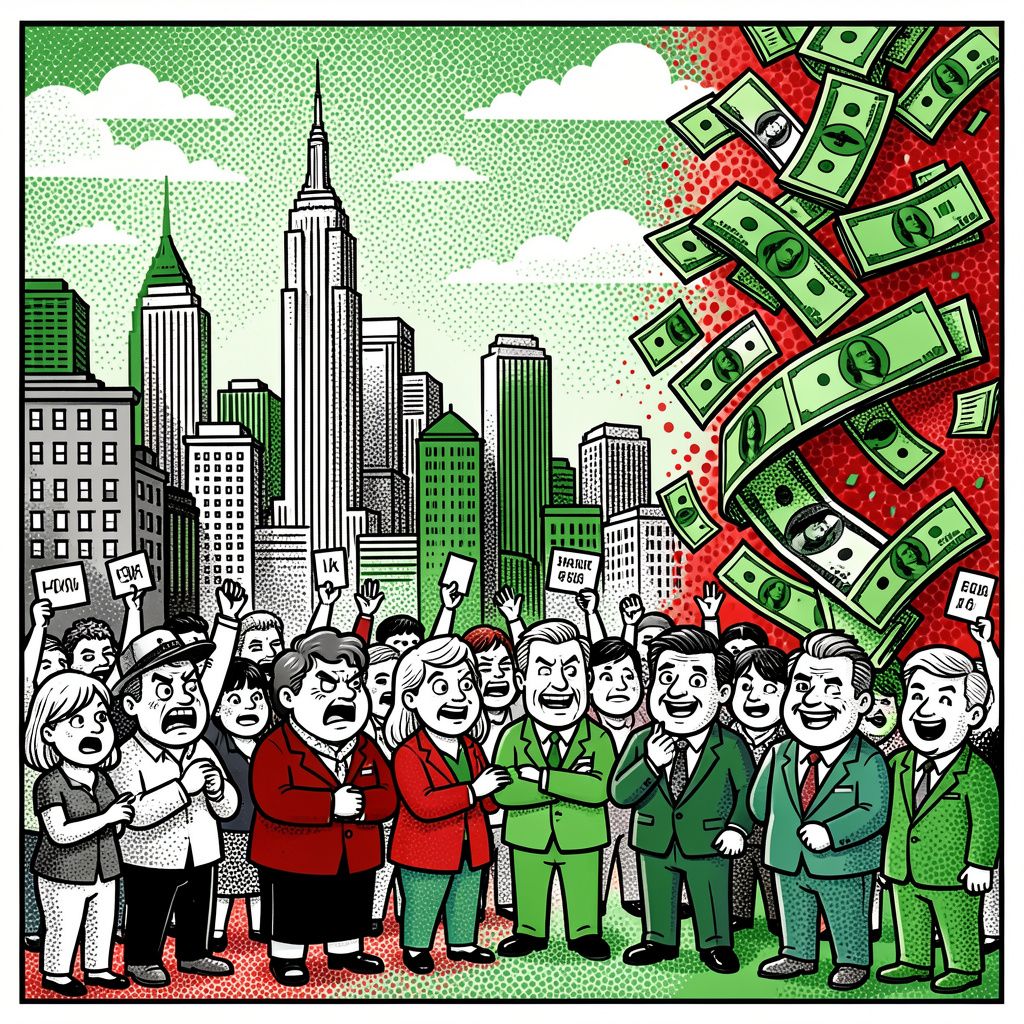
The political standoff in Albany reached a boiling point on April 14, 2026, when Democratic Governor Kathy Hochul publicly blamed climate activists for a legislative standstill regarding the state budget [2]. With the initial budget deadline of April 1, 2026, already missed, the state Legislature is expected to pass a fourth budget extender on April 16 [2]. The core of the conflict is a proposed intent by Hochul’s administration to fundamentally amend the 2019 Climate Leadership and Community Protection Act (CLCPA) [1][2]. The proposed rollback would delay the implementation of critical cap-and-invest rules and shift overarching emissions deadlines from 2030 to 2040, representing a delay of 10 years [1]. This move has drawn sharp criticism from environmental advocates and fellow Democrats, including State Senator Pete Harckham, who accused the governor of negotiating last-minute policy shifts behind closed doors [1].
Assessing the Economic Trade-Offs
The debate over the timeline is heavily anchored in projected consumer costs. According to the New York State Energy Research and Development Authority (NYSERDA), strict compliance with the CLCPA could increase annual heating bills by $4,000 in upstate regions and $2,300 in and around New York City [1], creating a regional cost disparity of 1700 dollars. Additionally, the implementation of cap-and-invest rules could drive up gasoline prices by $0.59 per liter [1]. Ken Lovett, a senior energy advisor to the governor, stated on April 6, 2026, that Hochul is asking the Legislature to amend the Climate Act to prevent exacerbating currently high utility rates and fuel prices [1]. Justin Wilcox, executive director of Upstate United, echoed this sentiment, warning that recent cost increases are less than half of what consumers would experience under a fully implemented cap-and-invest program [1].