Equipment Failure Paralyzes 128 Regional Japanese Banks Across 3,430 Branches
Osaka, Sunday, 8 November 2026.
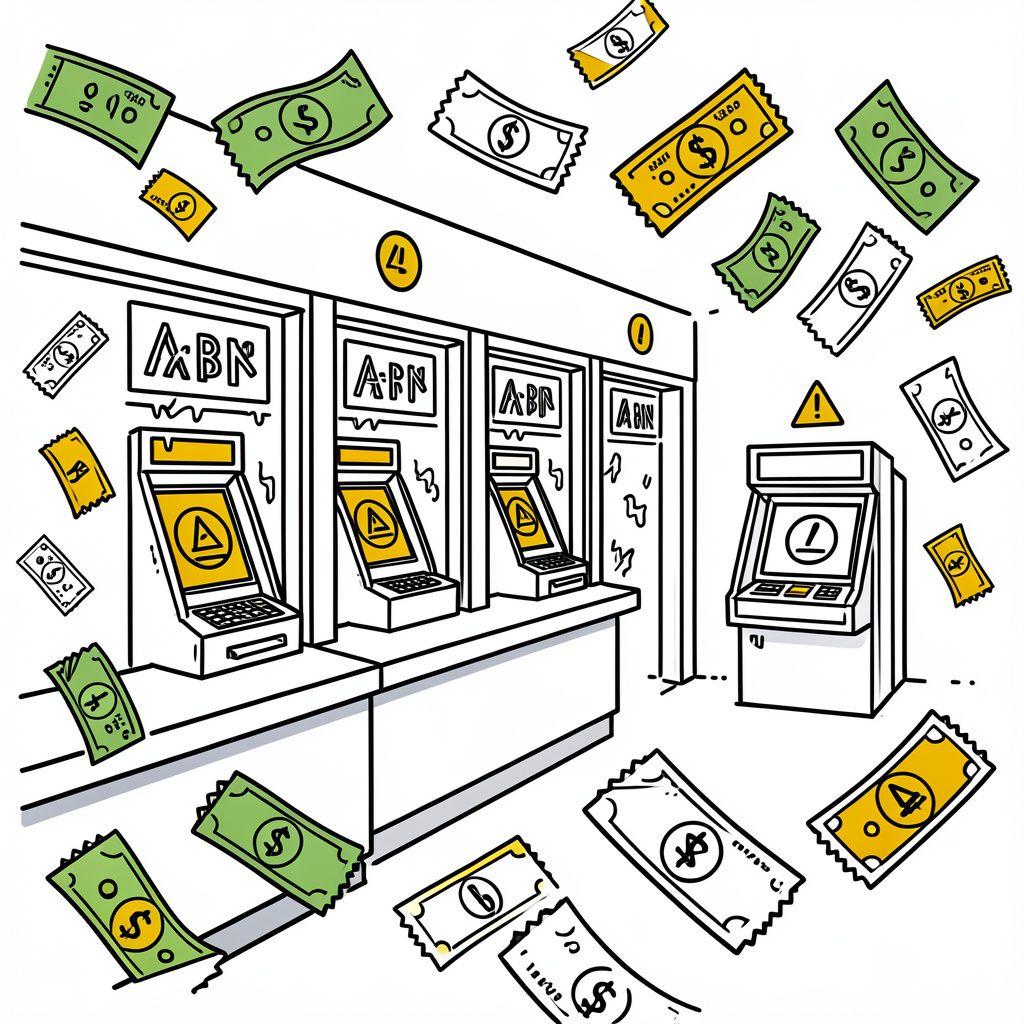
A massive hardware malfunction knocked out shared networks across western Japan on November 6, freezing transactions at 128 banks for nearly six hours before services were fully restored.
A Regional Banking Crisis Unfolds
At 1:30 p.m. JST on November 6, 2026, a critical hardware failure at the Shinkin Joint Center’s West Japan Center triggered a system-wide shutdown across 128 Shinkin banks spanning western Japan [1][2][3][4][5]. The outage disrupted shared IT infrastructure supporting 3,430 branches, halting ATM networks, branch counter operations, and online banking services for institutions serving Shiga, Kyoto, Osaka, Nara, Wakayama, Hyogo, and Tokushima prefectures [1][3]. While eastern Japan’s Shinkin banks remained unaffected, western institutions faced immediate operational paralysis, exposing vulnerabilities in centralized regional banking architectures [1][2][3].
Operational Fallout and Economic Disruption
The six-hour outage created cascading disruptions across consumer and business financial operations. Local merchants reported difficulties processing cashless payments, while residents struggled with ATM withdrawals and direct debits [4][5]. Osaka-based credit unions like Osaka Shinkin temporarily suspended account transfers, and Hiroshima Shinkin warned of delays in scheduled withdrawals [4]. Convenience store ATMs partnering with Shinkin banks also became inaccessible, compounding daily transaction challenges [1][2]. Authorities emphasized that while no unauthorized access occurred, the failure of data storage equipment at the West Japan Center necessitated urgent restoration efforts [3][6].
Root Cause and Regulatory Response
Investigations by the Shinkin Joint Center and NTT DATA—its IT partner—confirmed a communications equipment malfunction as the root cause [2][3]. The center’s leadership apologized for the inconvenience, pledging to implement preventative measures to mitigate future risks [2][6]. Regulatory bodies scrutinized the incident, noting that Shinkin banks’ reliance on a two-center structure (east and west) amplified systemic exposure to localized failures [GPT][3]. Analysts highlighted the need for redundancy and failover protocols in regional banking IT frameworks [alert! ‘requires further regulatory documentation’].
Broader Implications for Japan’s Financial Ecosystem
With over 90% of Japan’s 236 Shinkin banks dependent on the shared system, the outage underscored systemic interconnectedness in the country’s cooperative banking sector [1][3]. While services resumed by 7:00 p.m. JST on November 6, the incident raised concerns about the resilience of regional financial institutions against technological disruptions [4][5][6]. Industry observers noted that localized failures could have outsized macroeconomic impacts in regions heavily reliant on cashless transactions, particularly amid Japan’s digital payment adoption push [GPT][alert! ‘requires regional economic impact data’].
Sources
- finance.biggo.com
- shinkinkyodo.org
- xtech.nikkei.com
- news.yahoo.co.jp
- www.itmedia.co.jp
- www.asahi.com