Proposed Census Changes Could Shift Political Power and Funding Across America
Washington, Thursday, 10 September 2026.
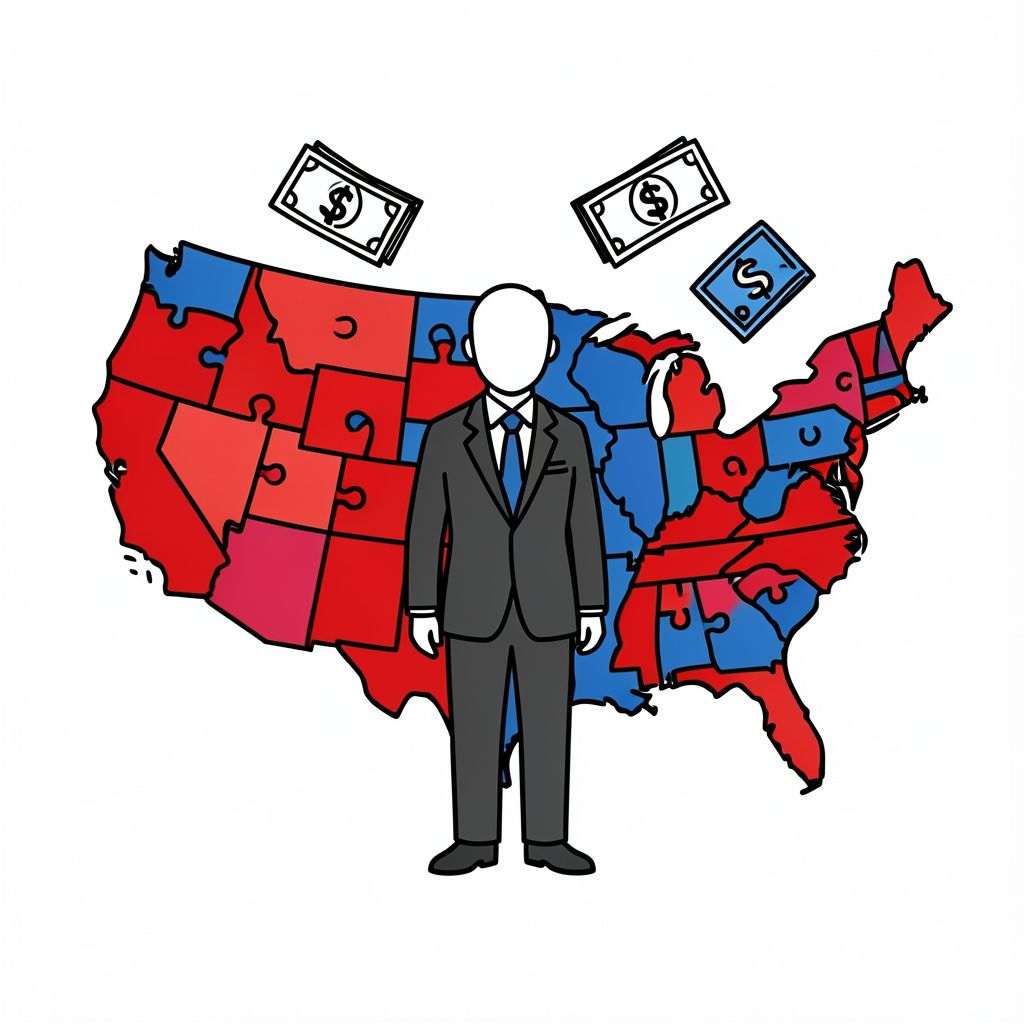
The Trump administration proposed excluding undocumented immigrants from the 2030 census count. This overhaul could dramatically alter congressional seat allocations and redistribute over $1.5 trillion in federal funding.
Proposal Details and Immediate Impact
On Wednesday, 9 September 2026, the Trump administration formally introduced a proposal to alter federal census accounting procedures, specifically seeking to exclude undocumented immigrants from the official population count [1][4]. This policy shift, directed at the 2030 decennial census, aims to reshape the formula for reapportioning U.S. House of Representatives seats among states and would significantly impact the distribution of over $1.5 trillion in annual federal funding [1]. The proposal suggests utilizing administrative records from departments including Homeland Security, Treasury, and Health and Human Services to verify the legal status of respondents, deviating from the historical mandate to count the whole number of persons [2][4]. Business leaders and economic policymakers face new uncertainties regarding demographic data relied upon for capital allocation and labor market planning, as the changes would exclude millions of residents from the tally used for congressional apportionment and Electoral College vote allocation [1][3].
Demographic Questions and Data Collection
Concurrently, the Census Bureau is reviewing the removal or modification of questions regarding race, ethnicity, and sexual orientation, citing the potentially sensitive nature of these inquiries and their reduced utility [2]. This move seeks to reverse 2024 Biden-era standards that introduced specific checkboxes for Hispanic or Latino and Middle Eastern or North African identities, which were the first revisions to these categories in over 25 years [3]. The administration plans to ban the inclusion of any question regarding sexual orientation on the 2030 census, continuing a broader effort to dismantle diversity, equity, and inclusion programs within federal data collection [3][4]. While the Bureau suggests it could obtain demographic information from administrative records, critics argue this approach risks blurring distinctions and flattening statistical representation for diverse populations [3].
Legal Challenges and Constitutional Context
Legal challenges are anticipated should the Census Bureau proceed with these proposed modifications, echoing the litigation that blocked a citizenship question addition during the 2020 census cycle [2][4]. The 14th Amendment requires the census to include the whole number of persons in each state, a provision that New York Attorney General Letitia James cited when stating that every person living in the United States must be counted regardless of immigration status [4]. The document detailing these proposed residence criteria and regulations is scheduled to be published in the Federal Register on 10 September 2026, initiating a public comment period before any final rule is implemented [5][8]. Until then, the proposal remains an administrative intent rather than implemented policy, subject to congressional authority and judicial review regarding the constitutional requirements for the national head count [3][5].