Georgia Urges Retailers to Pull Kratom From Shelves as Overdose Risks Rise
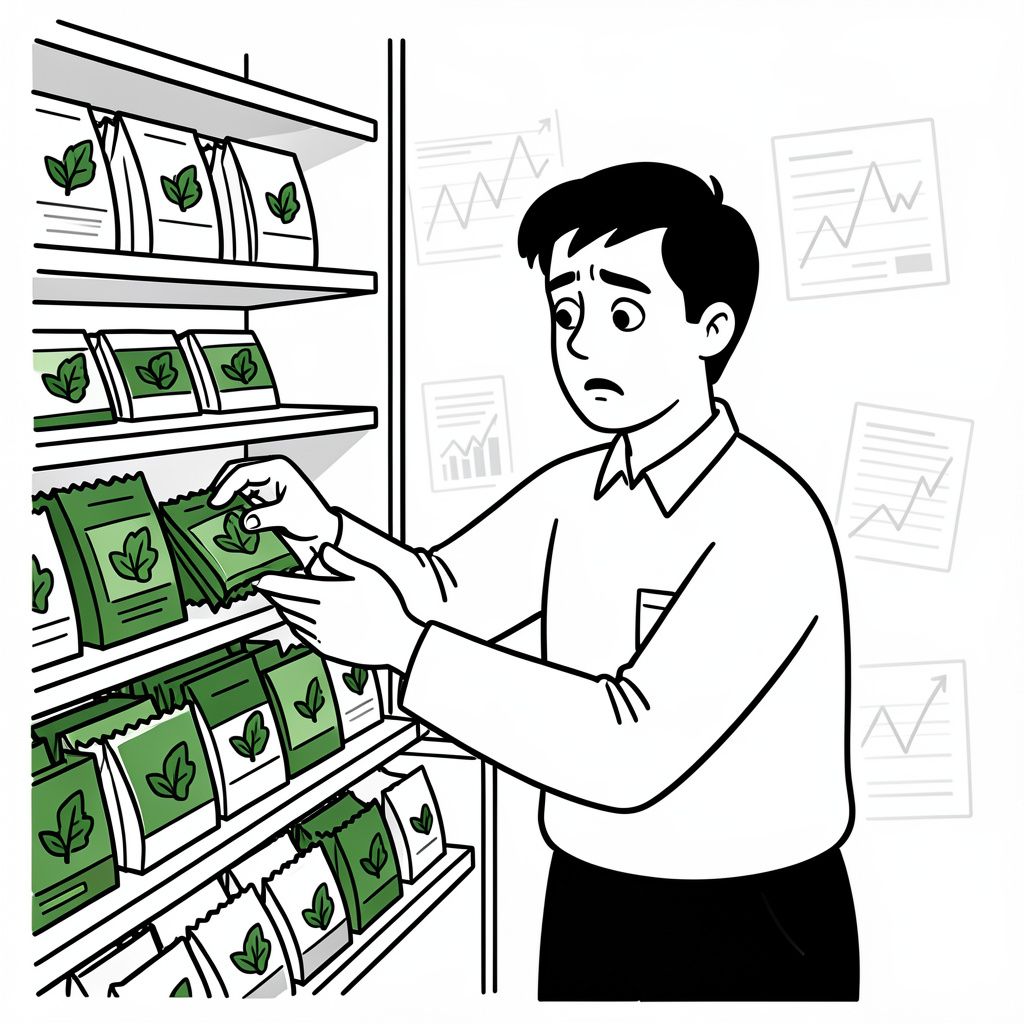
Atlanta, Saturday, 24 October 2026.
Georgia officials urged retailers to immediately remove kratom products as synthetic compounds 13 times stronger than morphine drove hundreds of emergency calls and multiple fatal overdoses statewide in 2026.
Georgia’s Escalating Kratom Crisis: A Public Health Emergency
On October 23, 2026, Georgia Attorney General Chris Carr, a Republican [alert! ‘partisan affiliation inferred from official role in Republican-led state’], issued an unprecedented directive demanding that all convenience stores, gas stations, and vape shops in Georgia immediately remove kratom products from their shelves. The emergency call to action follows a surge in fatal overdoses and emergency calls linked to the unregulated botanical substance, which contains 7-hydroxymitragynine (7-OH), a synthetic opioid-like compound roughly 13 times more potent than morphine [1][2][6]. Carr’s directive specifically targets products marketed toward children and teens, citing a pattern of tragic consequences, including at least four confirmed kratom-related deaths in Georgia in 2026 alone [3][7]. Emergency medical services (EMS) personnel statewide have responded to over 315 emergency calls related to kratom exposure this year, a figure that reflects a growing public health crisis [3][7][9].
The Science Behind the Danger: How Kratom Became a Silent Killer
The primary driver of kratom’s lethal potential is 7-OH, a compound synthesized from mitragynine, the natural alkaloid found in the Mitragyna speciosa plant. While kratom itself is not federally regulated in the United States, 7-OH is classified as an opioid-like substance with a potency 13 that of morphine, making it a significant contributor to respiratory depression and overdose deaths [1][2][6]. The Georgia Poison Center has documented a 66% increase in kratom exposure cases between 2022 and 2025, with 543 total cases reported since 2021. Alarmingly, the vast majority of these cases required treatment in healthcare facilities, underscoring the severity of the reactions [1][2]. High concentrations of kratom have been linked to severe side effects, including high blood pressure, liver damage, seizures, confusion, delusion, depression, tremors, and respiratory failure [10].
From Gas Stations to Grave: The Human Cost of Unregulated Sales
The human toll of kratom’s unchecked availability has left indelible scars on Georgia families. In 2021, 23-year-old Ethan Pope of Cobb County died after consuming a liquid kratom product, a tragedy that sparked early warnings about the substance’s dangers [1][2]. More recently, two University of Mississippi students—one from Georgia—were found dead in Oxford, Mississippi, in September 2026, with packaged kratom recovered at the scene [1][2]. In Brunswick, Georgia, Andrew Wood died in August 2026 after purchasing a kratom product at a vape shop, an incident that prompted Effingham County to ban the substance outright [10]. These cases, among others, have fueled Carr’s urgency. ‘Every minute these products remain on our shelves, innocent lives are put at risk,’ Carr stated during a press conference on October 23, 2026. ‘This problem could be solved today if all of our convenience stores step up, remove this poison from their shelves, and put safety first’ [1][2][6].
A Regulatory Patchwork: Why Current Laws Aren’t Enough
Georgia’s current laws on kratom sales are fragmented and weakly enforced. While the state prohibits sales to individuals under 21 and requires products to be secured behind counters, enforcement is hindered by the need for laboratory testing to confirm the presence of banned substances like 7-OH. This bureaucratic hurdle allows dangerous products to remain on shelves until proven illegal, a process Carr described as ‘fatal’ in its inefficiency [10]. In response, Carr is pushing for a legislative overhaul that would invert the current regulatory model: all kratom-related products would be presumed illegal unless explicitly approved and listed by the state. ‘Consumers cannot tell the difference between a lawfully registered, regulated product or something that can stop your breathing,’ Carr warned lawmakers during a joint legislative study committee hearing on October 23, 2026. ‘And the same is probably true with the shop owners’ [10][3][7]. Under Carr’s proposed framework, products not on the approved list would be treated as contraband, subject to immediate seizure by law enforcement without the need for lab work [10].
The Road Ahead: Legislation, Lawsuits, and a Statewide Call to Action
Carr’s directive is not merely a plea for voluntary compliance but a harbinger of imminent legislative action. Testimony from his October 23, 2026, appearance before the Georgia House of Representatives Blue-Ribbon Study Committee on Youth Exposure to Kratom and Retail Available Substances is set to translate into formal legislation during the upcoming 2027 legislative session [3][7][9]. Meanwhile, Carr has framed the issue as one of corporate responsibility, urging retailers to ‘do the right thing’ without waiting for legal mandates. His call has resonated beyond Georgia’s borders, as similar debates unfold in other states grappling with kratom’s proliferating black-market variants [3][7]. The attorney general has also leveraged his office’s existing legal victories against opioid manufacturers and distributors, securing over $1 billion for Georgia and local governments through the Georgia Opioid Crisis Abatement Trust. This funding, administered via settlements, underscores the state’s broader commitment to combating substance abuse and its devastating societal costs [1][2].
Sources
- www.einpresswire.com
- law.georgia.gov
- www.facebook.com
- www.fox5atlanta.com
- www.youtube.com
- www.11alive.com
- www.instagram.com
- capitol-beat.org