Activist Investor Campaigns Against Public Companies Drop Dramatically in 2026
New York, Tuesday, 1 September 2026.
Formal shareholder activism campaigns against major public companies fell by over sixty percent in early 2026, though experts warn boards face even higher behind-the-scenes risks.
Sharp Decline in Formal Activism Campaigns
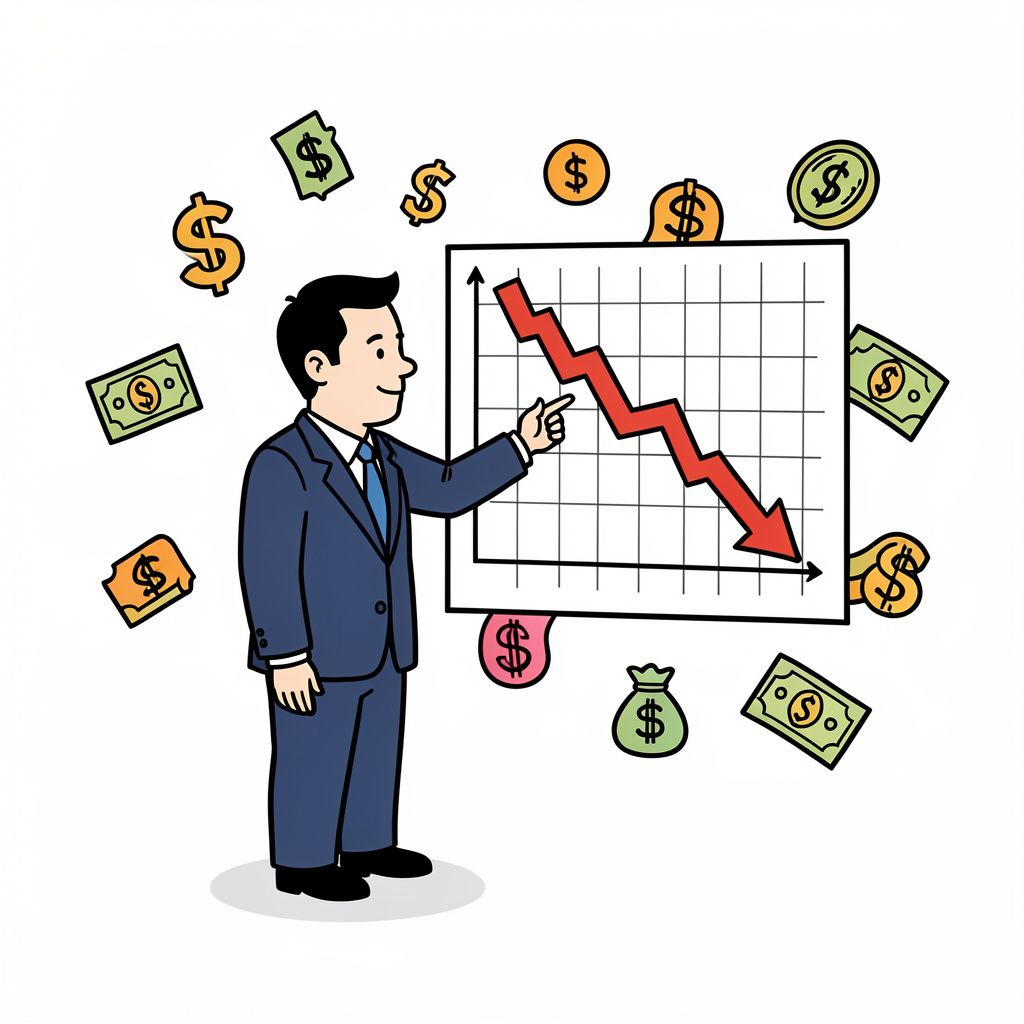
Formal shareholder activism campaigns against major public companies fell significantly in the first half of 2026, according to data from The Conference Board and ESGAUGE. There were 95 formal activist campaigns against Russell 3000 Index companies during this period, a decrease from 254 campaigns during the same period in 2025 [1]. This represents a reduction of 62.598 percent, indicating a substantial shift in activist strategy away from public confrontations. Despite the drop in public campaigns, industry observers anticipate a resumption of public-pressure campaigns against banks, similar to activity levels observed in the fall and winter of 2025 [1]. Experts warn that fewer public campaigns should not give boards a false sense of security, as the risk might be even higher behind the scenes [1].
Banking Sector Under Scrutiny
The financial services sector remains a primary target for activist investors, with 23 U.S. banks targeted by activists in 2025, down from 25 in 2024 [1]. In February 2026, the activist firm HoldCo ended threats of proxy fights at KeyCorp and Eastern Bankshares after accusing them of overpaying for acquisitions and diluting shareholder value [1]. Earlier, in May 2026, Eagle Bancorp appointed a new CEO following pressure from an activist investor for a board shakeup [1]. The pressure has tangible outcomes; during the second half of 2025, HoldCo Asset Management targeted several regional banks, resulting in the acquisition of Comerica by Fifth Third Bancorp earlier in 2026 [1]. Industry experts note that bank stocks trading below fair value and a favorable regulatory environment for M&A are driving this continued interest [1].
Executive Pay Opposition Eases Globally
Global shareholder opposition to executive pay has decreased in 2026, with lower dissent in Europe, the United States, and Japan amid ongoing CEO pay scrutiny [2]. In the U.S., S&P 500 “Say on Pay” support rose to 90.4% in 2026, up from 89.7% in 2025 [2]. European contested pay reports dropped by nearly 6 percentage points year-on-year to 25.2%, the lowest level since 2018 [2]. However, Germany saw an increase in contested votes to 88.9%, highlighting regional disparities in governance reception [2]. The decrease in dissent is attributed to fewer “oppose” recommendations from proxy advisors and increased proactive company engagement with investors prior to annual general meetings [2]. Despite this, notable companies including Smith & Nephew and K+S faced material pushback with over 40% opposition [2].
Preparing for Late 2026 Governance Challenges
As the year progresses, corporate boards are preparing for upcoming discussions on governance and activism. A live video roundtable titled “Directors’ Guide to Corporate Governance and Shareholder Activism” is scheduled for September 9, 2026, to discuss current trends and best board practices [3]. Later in the month, on September 29, 2026, ESCP Business School will host an event exploring key trends shaping Corporate Governance and Shareholder Activism, noting that activist shareholders are becoming more sophisticated [4]. Reflecting the demand for expertise in this area, Moelis & Company is hiring for an Experienced Associate on their Shareholder Advisory team to conduct vulnerability and defense analysis [5]. Financial markets are also reacting to geopolitical instability, with Asian stock markets experiencing declines in response to sustained high yields and oil price volatility as of August 31, 2026 [2].