Bannon Flags Critical Drop in Voter Enthusiasm Ahead of 2026 Midterms
Washington, Monday, 9 February 2026.
Former strategist Steve Bannon warns of a “massive” enthusiasm deficit, as polling reveals Democrats hold a nearly 12-point lead among highly motivated voters, signaling potential volatility this November.
Analyzing the Enthusiasm Gap
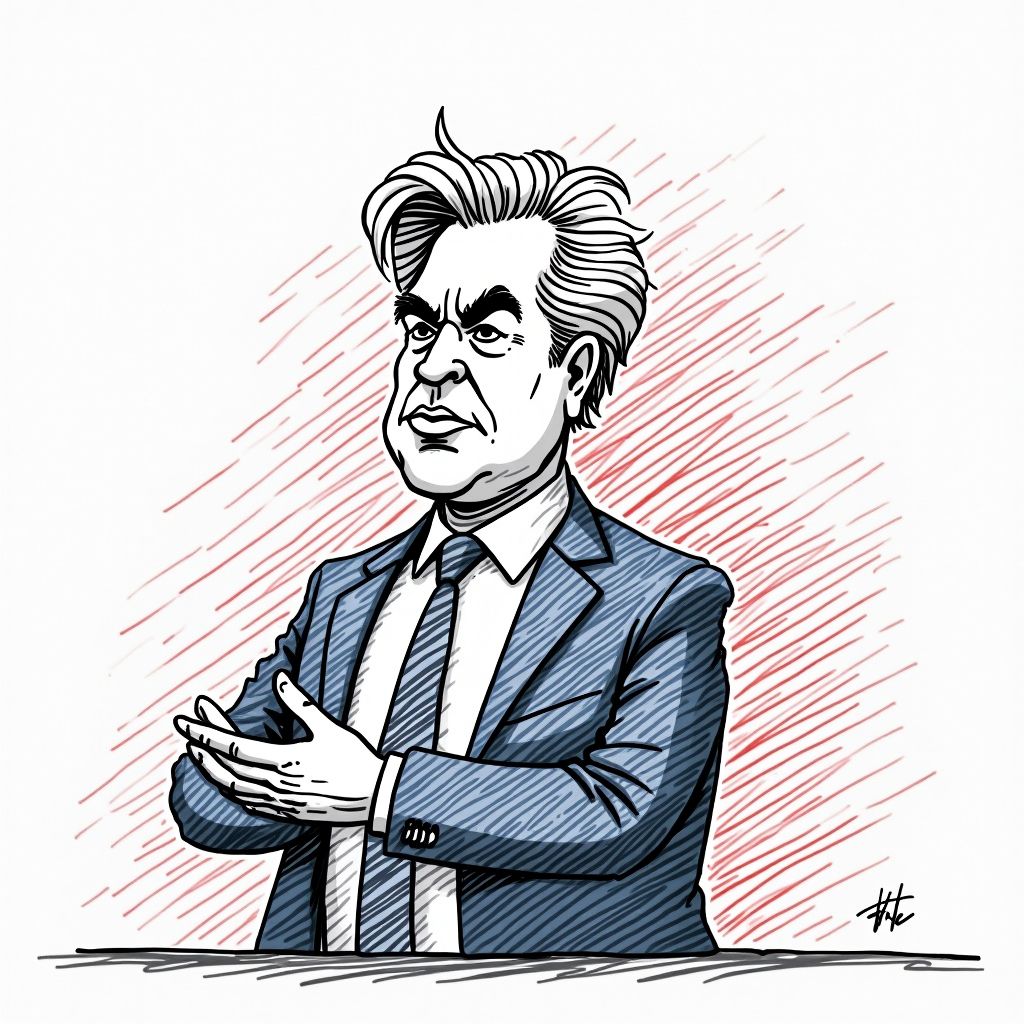
Former White House strategist Steve Bannon has raised significant alarms regarding the Republican Party’s positioning for the November 2026 midterm elections, citing a “massive lack of enthusiasm” within the MAGA base [1][2]. Speaking on his War Room podcast in early February 2026, Bannon argued that core supporters are “just not feeling it right now,” a sentiment that starkly contrasts with President Donald Trump’s January 26 claim that he possesses the “highest Poll Numbers” in history [2][4]. This internal discord highlights a growing volatility in the political landscape as the GOP attempts to defend its legislative agenda.
Polling Data Indicates Democratic Advantage
Recent metrics substantiate Bannon’s concerns, revealing a widening chasm in voter motivation. Polling data from the end of January 2026 places the Democratic candidate ahead on the generic ballot with 46.1% support compared to 42.0% for the Republican candidate [1][5]. However, the most critical indicator for the upcoming midterms lies in the intensity of support. Among voters classified as “Extremely Enthusiastic,” Democrats currently hold a lead of 11.8 percentage points, polling at 53.6% versus 41.8% for Republicans [1][4]. This represents a marked reversal from the 2024 election cycle, where Republicans secured the House popular vote by approximately 2.6 points [2].
Policy Disconnect and Strategic Pivots
The erosion of base support appears driven by specific policy grievances rather than general apathy. Mark Mitchell, writing for The New York Post on February 4, 2026, attributed the decline to the administration’s decision to prioritize “theatrics over results,” specifically noting the abandonment of the Department of Government Efficiency (DOGE) program which was popular among the base [1][4]. Additionally, voters have expressed frustration with the administration’s handling of the high cost of living and renewed foreign entanglements, creating a perception of a government that is “reactive rather than intentional” [4][5]. Pollster Rich Baris recently warned that “something has got to change sooner rather than later” if the GOP hopes to engineer a comeback before November [1][4].
Controversial Mobilization Tactics
In response to these headwinds, Bannon is advocating for aggressive and controversial mobilization strategies. On February 3, 2026, he explicitly urged that Immigration and Customs Enforcement (ICE) officers should “surround the polls” this coming November to prevent the opposition from “stealing the country” [1][3]. Simultaneously, political focus is shifting toward state-level battlegrounds to reinvigorate turnout. Bannon has highlighted the upcoming Texas primary on March 3, 2026, as a critical test, pointing to Proposition 10—a measure to prohibit Sharia Law—as a wedge issue designed to galvanize the disenchanted base [4].