Treasury Secretary Refuses to Rule Out Potential Lawsuit Against Fed Nominee
Washington D.C., Friday, 6 February 2026.
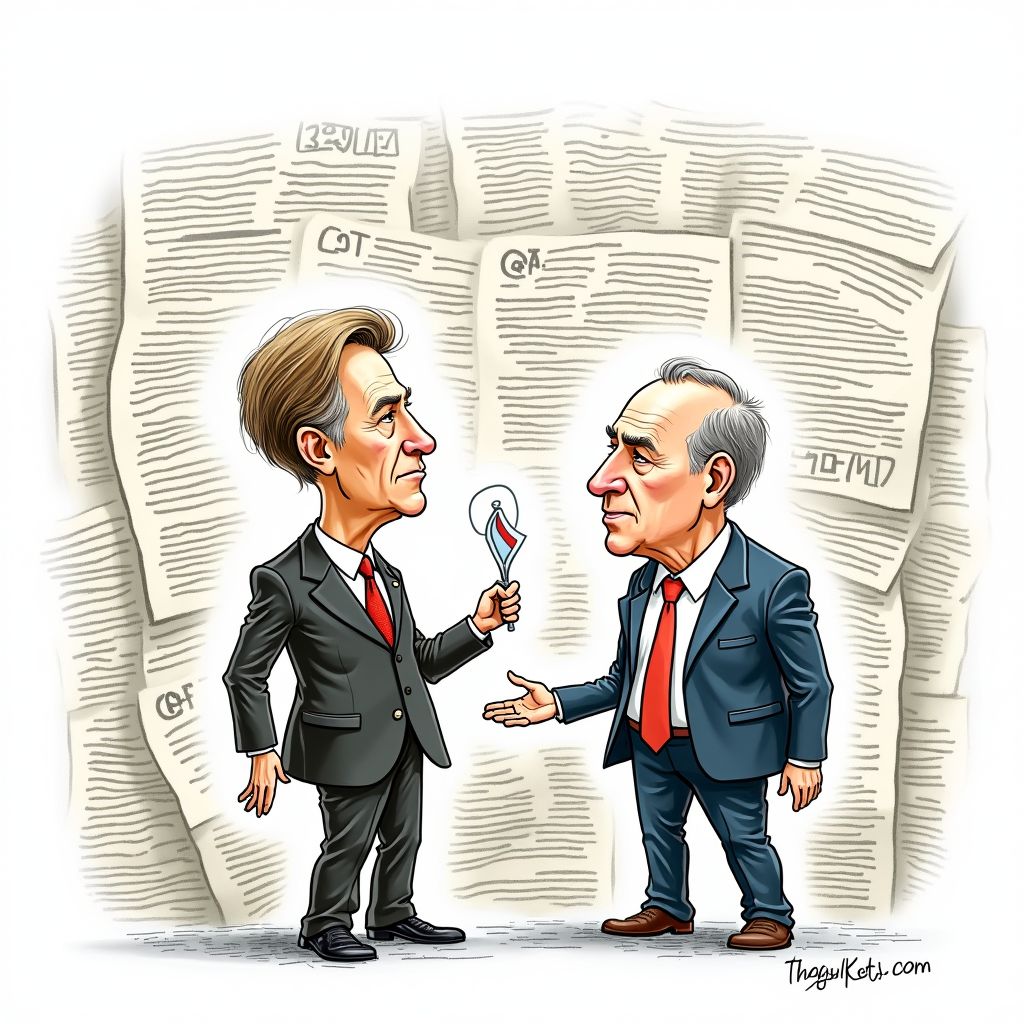
Challenging central bank independence, Secretary Bessent explicitly declined to protect nominee Kevin Warsh from potential White House lawsuits, stating such legal action remains “up to the president.”
Senate Testimony Reveals Executive Stance
During consecutive hearings before Senate committees on February 4 and 5, 2026, Secretary Scott Bessent faced intense scrutiny regarding the administration’s respect for the Federal Reserve’s statutory independence [1][3][5]. When Senator Elizabeth Warren asked Bessent to commit that the Justice Department would not investigate or sue Kevin Warsh if he failed to cut interest rates as Fed Chair, Bessent refused to provide such assurances, repeatedly affirming, “That is up to the president” [1][2][4]. This refusal follows President Trump’s remarks over the weekend of February 1, where he joked about suing Warsh if the nominee did not lower borrowing costs to align with executive preferences [3][7].
Monetary Policy vs. Political Pressure
The friction stems from a significant divergence between current monetary policy and the President’s economic goals. While the Federal Reserve held interest rates steady on January 28, 2026, maintaining a benchmark rate of approximately 3.6 percent, President Trump has publicly stated a desire for rates to be reduced to “one percent and maybe lower” [1]. This creates a target gap of roughly 2.6 percentage points between the central bank’s current position and the administration’s demands. Despite Bessent acknowledging that inflation has tracked at 2.1 percent over the last three months—nearly hitting the Fed’s 2 percent target—the administration continues to signal that personnel decisions are linked to rate cuts [1]. Trump has explicitly stated that Warsh would not have been nominated had he supported raising rates, reinforcing the view that the independent institution is facing overt political pressure [7].
Legal Threats and Legislative Gridlock
The threat of litigation against Fed officials is not merely hypothetical; it is occurring alongside an active criminal investigation into current Chair Jerome Powell. In January 2026, the Department of Justice opened a probe into Powell regarding alleged cost overruns during a headquarters renovation, a move Powell describes as a pretext for attacking the bank’s refusal to take orders from the White House [1][3]. This legal maneuvering has stalled the confirmation process for Warsh. Senator Thom Tillis has vowed to block the nomination until the investigation into Powell is resolved, creating a deadlock in the Senate [5][7]. Tillis, who expressed skepticism about the charges against Powell, warned that using criminal probes for political oversight could turn future hearings into a farce, comparing the situation to a comedy sketch where witnesses are forced to plead the Fifth Amendment to avoid perjury traps [1][7].
Conflict of Interest Concerns
Beyond monetary policy, Secretary Bessent faced questions regarding a conflict of interest involving a $10 billion lawsuit filed by President Trump against the Treasury and the IRS over the leak of his tax returns [6]. When Representative Ruben Gallego asked on February 4 whether Bessent would recuse himself from decisions regarding potential damages paid to the President from taxpayer funds, Bessent did not commit to recusal [1][6]. Instead, he stated he would “follow the law” and await instructions from the Justice Department, noting that any settlement money would be drawn from the Treasury’s general account [6]. This stance has amplified concerns among lawmakers about the Treasury’s ability to operate impartially in matters directly benefiting the President [1].
Sources
- www.aljazeera.com
- www.politico.com
- www.reuters.com
- www.pbs.org
- www.cnbc.com
- www.yahoo.com
- qz.com
- www.thecanadianpressnews.ca