How Proposed Fuel Policy Changes Threaten U.S. Biodiesel Production and Farmers
Washington, Tuesday, 25 August 2026.
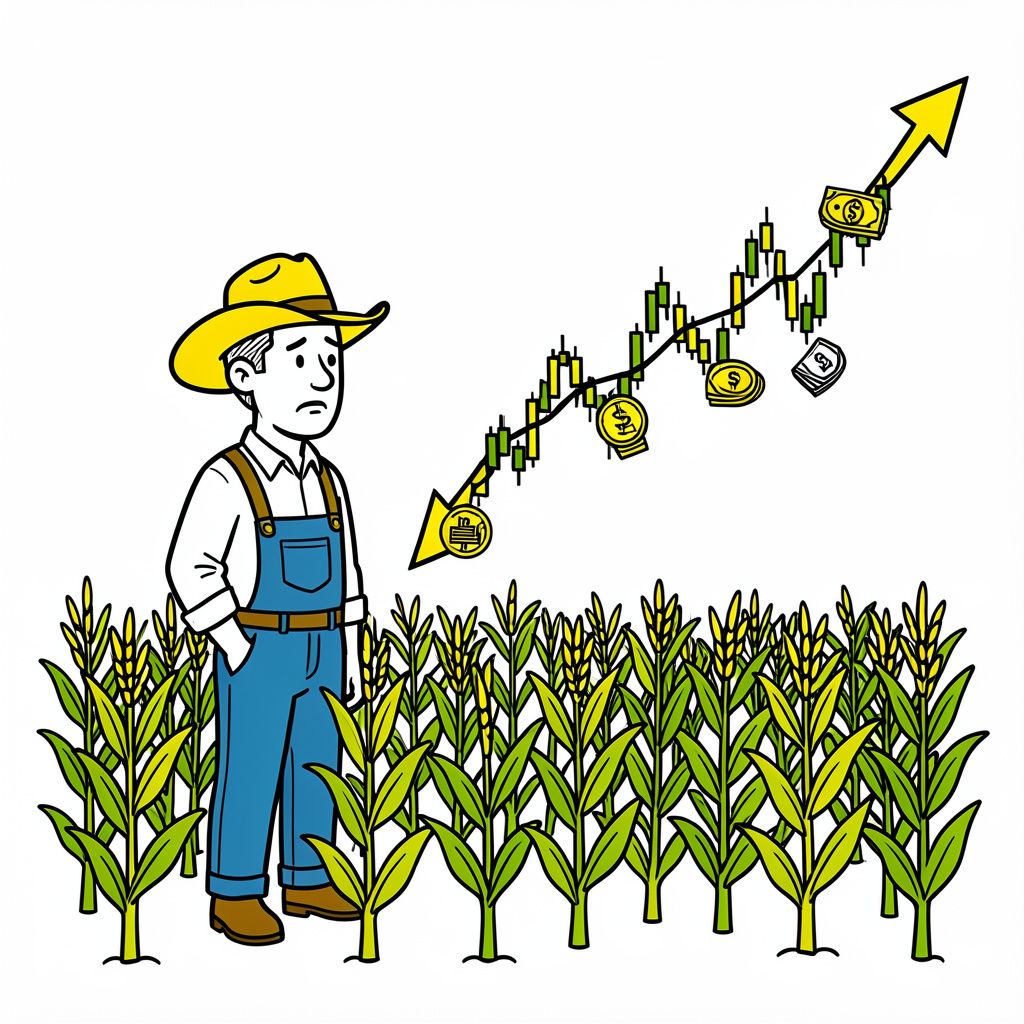
Proposed EPA policy changes could reduce domestic biodiesel demand by 1.89 billion liters, placing nearly $1 billion in American farm revenue at risk amid global diesel shortages.
Regulatory Deadlines and Production Risks
The Sustainable Advanced Biofuel Refiners (SABR) Coalition has formally urged the White House to maintain current Small Refinery Exemption (SRE) formulas under the Renewable Fuel Standard (RFS) [1]. Industry leaders warn that undisclosed changes to eligibility criteria could expand exemptions for oil companies, potentially destabilizing biofuel markets [1]. The Environmental Protection Agency plans to finalize decisions on all pending 2025 SRE petitions by 2026-08-31, creating a critical window for policy determination [2]. Market estimates indicate that 2025 compliance year exemptions could exceed 1.8 billion Renewable Identification Numbers (RINs), significantly altering demand projections [2].
Economic Impact on Agricultural Sector
A potential surge in EPA waivers threatens to eliminate approximately 1.89 billion liters (500 million gallons) of biomass-based diesel demand [2]. The American Soybean Association estimates this reduction could cost U.S. soybean farmers about $1 billion in lost revenue [2]. This financial strain compounds existing distress, as the U.S. biodiesel industry faced significant instability in 2025, contributing to a 46% increase in farm bankruptcies that year [1]. The value at risk per liter of demand loss can be approximated based on the revenue impact, calculated as 0.529 dollars per liter [2].
Global Supply Chain and Trade Context
Current economic conditions for farmers in 2026 are strained by high diesel prices and fertilizer shortages resulting from supply chain disruptions linked to the conflict in Iran [1]. Concurrently, broader trade tensions are escalating, with the Canadian government announcing retaliatory tariffs ranging from 15% to 50% on $20 billion worth of U.S. products [3]. These Canadian tariffs are scheduled to take effect on 2026-09-08, following U.S. tariffs on approximately $20 billion in Canadian products that took effect on 2026-08-20 [3]. Such geopolitical friction exacerbates the volatility in input costs for agricultural producers reliant on stable fuel and fertilizer markets [1][3].
Policy Stability and Market Confidence
SABR CEO Joe Jobe emphasized the importance of regulatory consistency, stating that earlier in 2026, the EPA issued a final rule with robust biofuel volumes that is currently working to help fuel the American economy [1]. Industry advocates argue that changing rules mid-compliance period undermines long-term investments in biofuel capacity and feedstock procurement [2]. Conventional D6 RIN prices recently dropped to their lowest level since 2026-04-01 due to market anticipation of increased refinery exemptions, weakening economic incentives for physical biofuel blending [2]. Maintaining the current policy framework is viewed as essential to mitigate diesel price inflation during ongoing global fuel shortages [1].