Why SpaceX Could Pay a 33% Premium to Acquire Tesla
Austin, Monday, 23 November 2026.
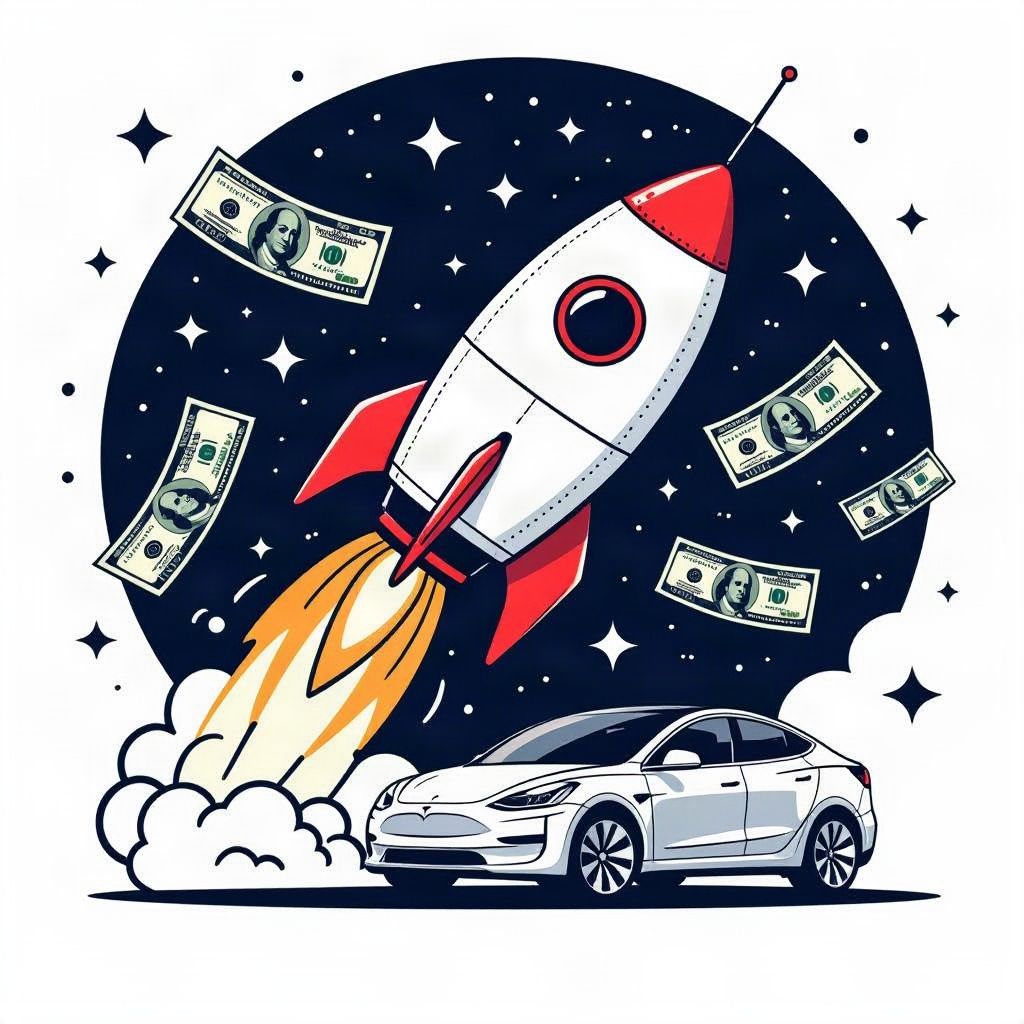
Wall Street models indicate SpaceX could offer Tesla shareholders a 33% premium, valuing shares at $507 in an unprecedented megamerger combining orbital infrastructure with autonomous electric vehicles.
Starlink Integration as the Catalyst for Consolidation
Elon Musk’s recent remarks about integrating SpaceX’s Starlink satellite network into Tesla’s electric vehicles have injected fresh momentum into merger speculation between the two companies. The announcement, made on 23 November 2026, suggests a strategic alignment where Tesla’s autonomous driving technology could leverage Starlink’s global broadband connectivity to enhance real-time data processing and vehicle-to-everything (V2X) communications [2]. Market analysts at HSBC and Cathie Wood’s ARK Invest view this integration as a key driver for a potential all-stock merger, where SpaceX (NASDAQ: SPCX) would absorb Tesla (NASDAQ: TSLA) [3]. The proposed deal structure would dilute existing SpaceX shares, with Tesla shareholders receiving a stake in the combined entity [1].
Valuation Dynamics: A 33% Premium and the $507 Share Price
HSBC analysts have modeled a scenario where Tesla shareholders could receive a 33% premium over the 30-day trailing average share price, equating to $507 per share in a deal scenario. In contrast, HSBC’s standalone valuation for Tesla, based on projected cash flows from its seven business segments, stands at $212 per share [3]. This valuation discrepancy reflects the market’s anticipation of synergies from integrating Tesla’s robotaxi ambitions with SpaceX’s orbital infrastructure. The premium is framed as a necessity to secure the required approval from Tesla’s shareholders, who hold significant sway over the merger’s fate [3]. Elon Musk previously stated that a merger would need the backing of holders of 50% of Tesla’s outstanding shares [3].
Strategic Synergies: Robotaxis Funding Orbital Ambitions
Cathie Wood of ARK Invest argues that Tesla’s robotaxi network could become a critical revenue stream to fund SpaceX’s capital-intensive projects, such as orbital data centers. Wood estimates that robotaxis could generate substantial cash flows within two years, potentially making orbital computing cheaper than terrestrial alternatives [3]. This synergy is central to the merger’s rationale, as it would allow SpaceX to tap into Tesla’s autonomous vehicle ecosystem while Tesla benefits from SpaceX’s AI infrastructure and Starlink’s connectivity [5]. Musk has indicated that robotaxis may not achieve noticeable financial impact until Q2 2027, aligning with the timeline for merger negotiations [5].
Timeline and Regulatory Hurdles: December 2026 as a Potential Inflection Point
While merger talks between SpaceX and Tesla have progressed significantly, with special committees formed at both companies to evaluate the deal [6][7], the timeline remains fluid. Multiple sources suggest a potential merger announcement could materialize as early as December 2026, though delays into early 2027 are possible pending regulatory reviews and shareholder approvals [1][6]. The process involves finalizing business valuations, determining share exchange ratios, leadership structures, and securing approvals from antitrust and other regulatory agencies [6]. Independent directors at both companies must agree on these terms before proceeding to SEC filings and shareholder votes [6].
Market Reactions and Investor Sentiment
The prospect of a merger has already sparked volatility in the shares of both companies. Tesla’s stock rose over 3% and SpaceX’s jumped 10% on 21 October 2026 following earnings reports and merger speculation [5]. HSBC upgraded Tesla’s price target to $359 from $157, citing the acquisition newsflow, and sees a 4% upside from current levels [3]. Meanwhile, SpaceX’s valuation has surged to $2 trillion, trading at 58 times trailing sales, while Tesla’s market cap stands at $1.5 trillion, trading at 13 times trailing sales [5]. The disparity in valuation multiples underscores the high-growth expectations embedded in SpaceX’s AI and orbital infrastructure businesses [5].
Sources
- www.fool.com
- www.barrons.com
- stocktwits.com
- smartasset.com
- www.fool.com
- puck.news
- www.youtube.com
- www.youtube.com