FDA Rejection Challenges Summit Therapeutics' Valuation After Flagship Cancer Drug Setback
Miami, Sunday, 15 November 2026.
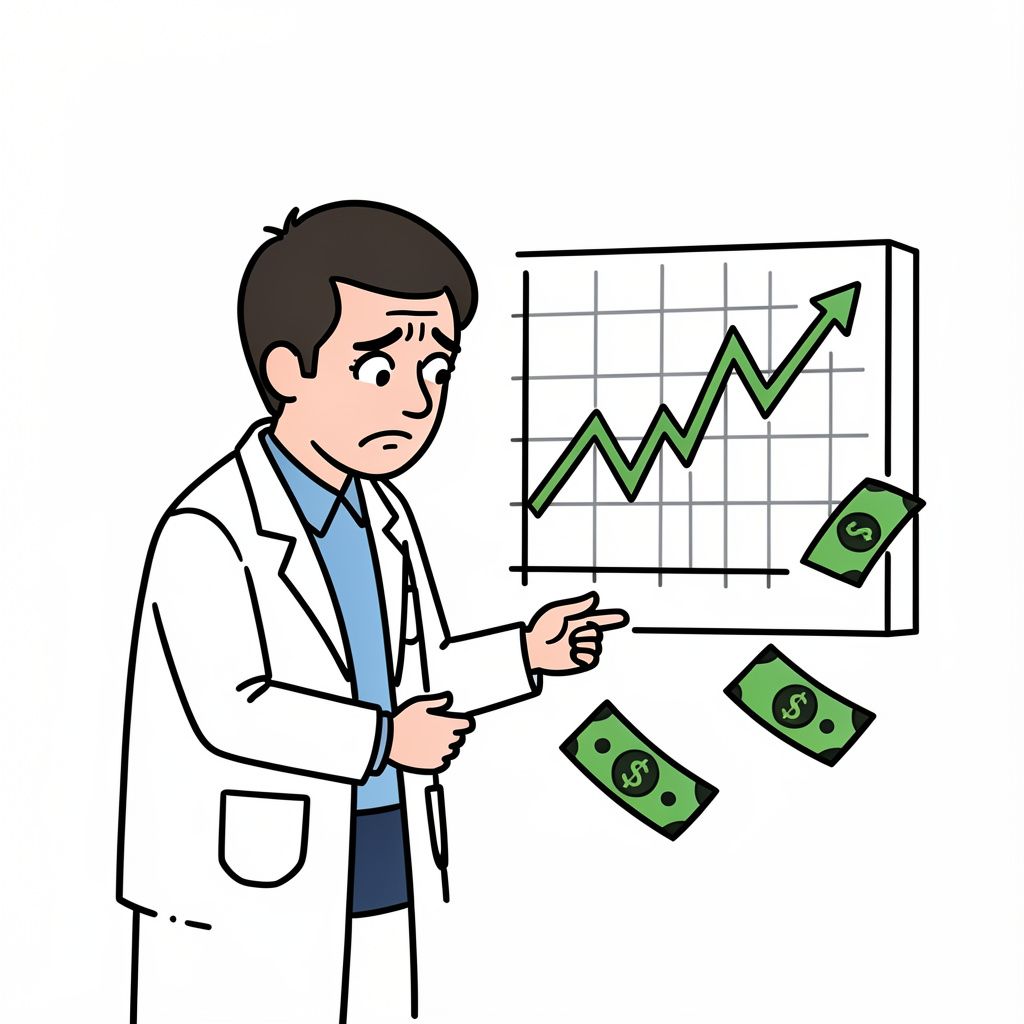
The FDA declined Summit Therapeutics’ lung cancer application because ivonescimab failed to significantly extend patient survival, challenging the company’s $11 billion market valuation despite proven tumor-delay benefits.
Market Reaction to FDA’s Complete Response Letter
Summit Therapeutics Inc. (NASDAQ: SMMT) experienced a sharp decline in share price following the U.S. Food and Drug Administration’s (FDA) issuance of a Complete Response Letter (CRL) for its Biologics License Application (BLA) for ivonescimab on November 14, 2026. The letter stated that the BLA could not be approved in its current form due to insufficient evidence of overall survival (OS) benefit, despite meeting the progression-free survival (PFS) primary endpoint in the global Phase III HARMONi clinical trial [5]. As of November 14, 2026, SMMT’s stock price dropped by 0.91 (-6.01%) to $14.17, reflecting investor concerns over the drug’s regulatory pathway [5].
Clinical Setback and Regulatory Implications
The FDA’s decision hinged on the lack of statistically significant OS improvement in the HARMONi trial, which enrolled patients with locally advanced or metastatic non-small cell lung cancer (NSCLC) who had previously received EGFR tyrosine kinase inhibitor (TKI) therapy. While ivonescimab, a PD-1 x VEGF bispecific antibody, demonstrated a positive trend in OS without achieving statistical significance, the FDA deemed PFS benefits alone insufficient for approval [5]. This regulatory stance underscores the stringent evidentiary requirements for oncology drugs, particularly in settings where no approved regimens have demonstrated statistically significant OS benefits [5].
Corporate Valuation Under Pressure
Summit Therapeutics’ market capitalization, which stood at $11.31 billion as of November 2026, has come under scrutiny as investors reassess the commercial potential of ivonescimab [4]. The company’s valuation trajectory was previously buoyed by aggressive share appreciation tied to competitive clinical readouts against established checkpoint inhibitors. However, the FDA’s CRL has introduced significant uncertainty, prompting a re-evaluation of Summit’s $11.31 billion market cap [4]. For portfolio managers, this setback highlights the volatility inherent in biotechnology investments, where clinical outcomes can swiftly alter market perceptions [4][5].
Pipeline Resilience and Future Prospects
Despite the regulatory setback, Summit Therapeutics maintains a robust pipeline with multiple ongoing Phase II/III trials for ivonescimab, including studies in colorectal cancer and other solid tumors [5]. The company plans interim overall survival analyses for the first half of 2027, which could provide critical data points to address the FDA’s concerns [6]. Additionally, Summit holds rights to ivonescimab in license territories outside the U.S. and Europe, where the drug has already received initial marketing authorization in China as of May 2024 [5]. These developments suggest that while the U.S. approval pathway faces challenges, Summit’s global strategy remains diversified.
Broader Implications for Oncology Investments
The FDA’s decision on ivonescimab reflects broader trends in oncology drug development, where regulators increasingly prioritize survival benefits over surrogate endpoints like PFS. This shift has significant implications for companies developing multi-specific immunotherapies, as investors recalibrate expectations for clinical success rates and timelines [GPT]. Summit Therapeutics’ experience serves as a cautionary tale for biopharmaceutical firms navigating the high-stakes landscape of cancer drug development, where even promising pipeline assets can face unforeseen regulatory hurdles.
Sources
- www.stocktitan.net
- companiesmarketcap.com
- www.kraken.com
- tickeron.com
- ca.marketscreener.com
- seekingalpha.com