Japanese Stocks Plunge as Global Tech Concerns and Middle East Tensions Rise
Tokyo, Friday, 17 July 2026.
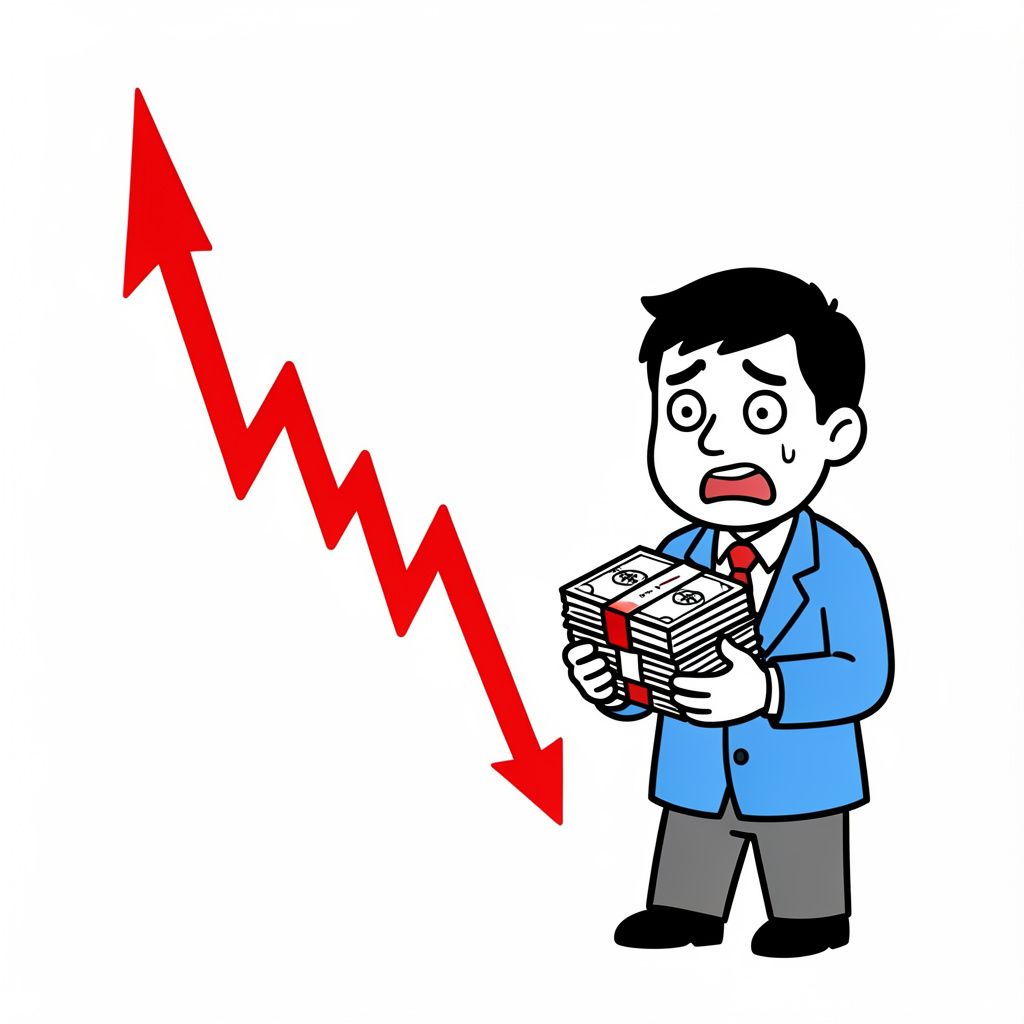
Japan’s Nikkei index plummeted 3.6% on July 17, 2026, entering a technical correction as a global semiconductor rout and escalating U.S.-Iran tensions triggered widespread investor panic.
A Steep Decline in Tokyo
On Friday, July 17, 2026, the benchmark Nikkei 225 index tumbled 3.6% to close at 64,443.84 [1]. This sharp decline followed a period of mounting pressure; just a day prior, on July 16, 2026, the index had already fallen below the key psychological threshold of 67,000 [2]. This represents a drop of -3.815% from that 67,000 level breached the previous day [1][2]. The rapid descent has pushed the Japanese stock market into a technical correction, representing a drop of more than 10% from its all-time high achieved in June 2026 [3]. The broader Topix index also suffered, slipping 2% to finish the week at 3,950.08 [1].
Semiconductor Rout and Valuation Reassessments
The primary catalyst behind the steep market decline was a global rout in chipmakers and technology shares, which has heavily impacted Japan’s tech-correlated equity market [1][2]. Investors are increasingly reassessing high-growth valuations driven by artificial intelligence (AI) excitement [2]. Market analysts at Sony Financial Group noted that the market appears highly sensitive and swayed by elevated earnings expectations for semiconductor-related firms [1]. This has created vulnerability for major Japanese tech heavyweights, including Tokyo Electron, Advantest, SoftBank Group, and Fujikura, which have all faced significant selling pressure [2].
Geopolitical Friction and Macroeconomic Pressures
Compounding the technology selloff were escalating geopolitical tensions in the Middle East [1][2]. On July 16, 2026, military escalation between the United States and Iran, alongside threats to the critical Strait of Hormuz, pushed global oil prices higher [2]. This development has raised inflation concerns for energy-dependent nations like Japan [2]. The situation intensified further on Friday as U.S. President Donald Trump threatened a broader escalation in strikes on Iran, heightening fears of a wider conflict in West Asia and potential disruptions to global energy supplies [1][2].