Mookie Betts Launches New Customizable Baseball Glove Brand
Fullerton, Wednesday, 29 July 2026.
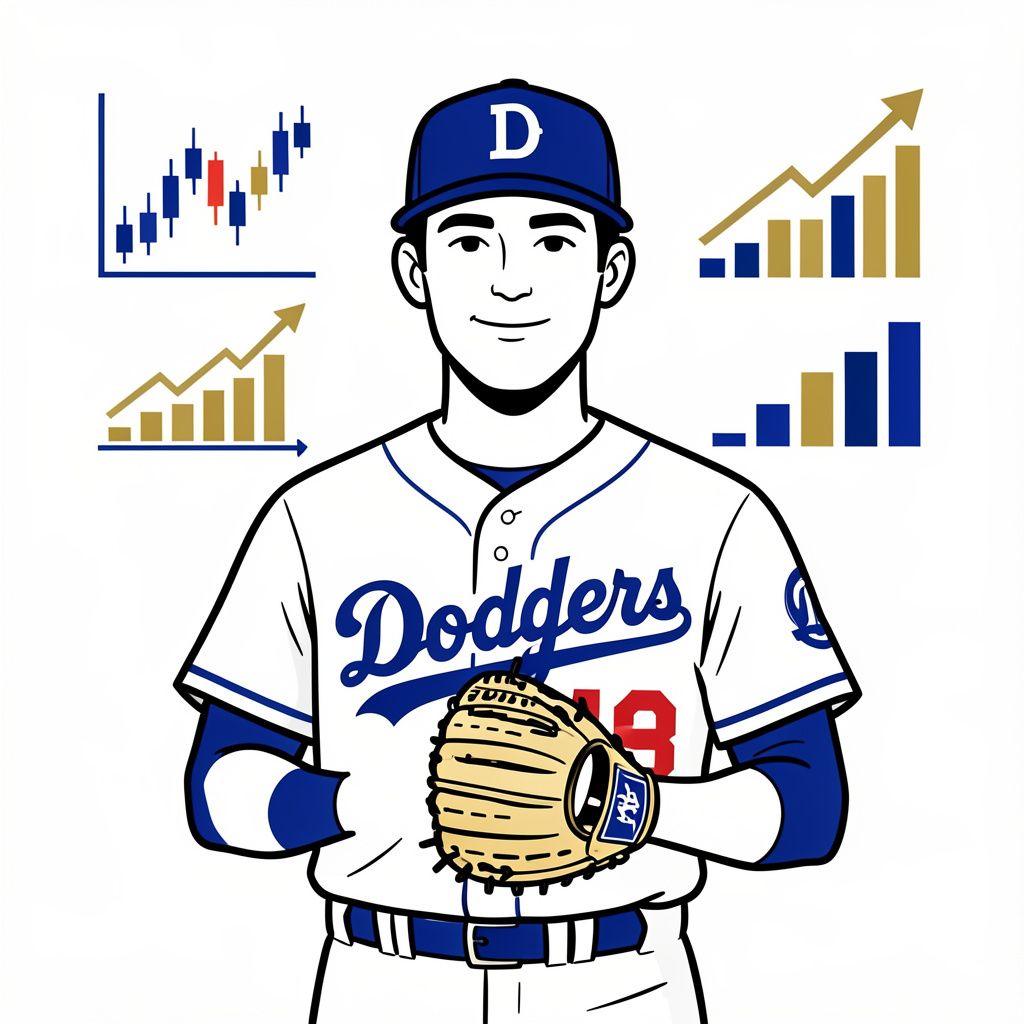
Dodgers star Mookie Betts launched LGND, a customizable glove brand, highlighting a growing trend of active athletes bypassing traditional endorsements to build their own direct-to-consumer business equity.
The Birth of LGND and its Fullerton Debut
The brand was officially co-founded on July 16, 2026, by Los Angeles Dodgers outfielder Mookie Betts alongside his lifelong friends Cameron Lewis, Brandon McPhail, and Andrew Montgomery [1]. To mark its public debut, Betts hosted an official block party and launch event on Monday, July 27, 2026, at The Yard in Fullerton, California [1][2]. The community-focused event drew significant attention, featuring local food trucks, various vendors, and specialized baseball drills conducted for 500 youth campers in attendance [1].
Premium Craftsmanship and Player Personalization
At launch, LGND introduced two distinct glove lines: the MOOK Series and the MVRK Series [1]. Both product lines are manufactured using premium Japanese kip leather and are priced at $329 each, meaning a consumer purchasing one of each line would spend a total of $658 before taxes [1]. While the MOOK series is distinguished by a signature Betts stamp and a 50 Tri-Star logo, the MVRK series is designed as a versatile option for multi-positional athletes [1]. The core business strategy centers on high-level customization, allowing players to select their preferred leather thickness and add personalized text to express their unique identity on the field [1].
A Disruption in Athlete Brand Equity
This direct-to-consumer approach represents a significant departure from traditional athletic endorsement models, where players typically sign restrictive, pre-designed gear contracts with major global sportswear corporations [GPT]. Betts emphasized that the glove is an essential tool of the trade, making it the perfect medium for self-expression in a sport that historically offers players limited avenues to showcase their personalities [1]. By controlling the manufacturing, design, and distribution of their own product lines, active athletes are successfully capturing a larger share of their personal brand equity [GPT].
Securing Market Share Through Strategic Alliances
To ensure immediate market penetration, LGND has established a formal partnership with Perfect Game, a leading youth baseball platform owned by Rick Thurman [1][2]. Under this agreement, LGND will serve as the official glove of Perfect Game, a designation that guarantees year-round brand integration across the organization’s digital platforms, national programming, and youth events [1]. This strategic alliance positions the startup brand directly in front of thousands of rising amateur players, securing a highly targeted and continuous marketing pipeline [GPT][1].
Synergy and Post-Career Planning
The launch also highlights a unique collaborative dynamic between active teammates, exemplified by Dodgers infielder Miguel Rojas [2]. Rojas attended the Fullerton launch event on Monday, July 27, 2026, to support Betts, representing a relationship the two have built over the past four years [2]. Crucially, Rojas is an investor in Perfect Game, meaning the partnership between LGND and the youth platform directly aligns the business interests of both Dodgers players [2]. While Rojas remains contractually obligated to use Wilson gloves during official games, he actively utilizes LGND gloves during practice sessions to support the brand’s field performance [2].
Building a Long-Term Business Legacy
This business venture serves as a blueprint for active professional athletes looking to secure sustainable financial assets beyond their playing contracts [GPT]. Rojas, who has announced his intention to retire at the conclusion of the 2026 season, plans to continue collaborating with Betts on future business projects and infielder coaching initiatives [2]. By establishing direct equity in proprietary brands while still active on the field, players like Betts and Rojas are successfully transitioning from simple brand ambassadors to corporate owners, redefining the post-career economic landscape for professional athletes [GPT][2].