Judge Blocks OpenAI from Questioning Elon Musk About Ketamine Use in Upcoming Trial
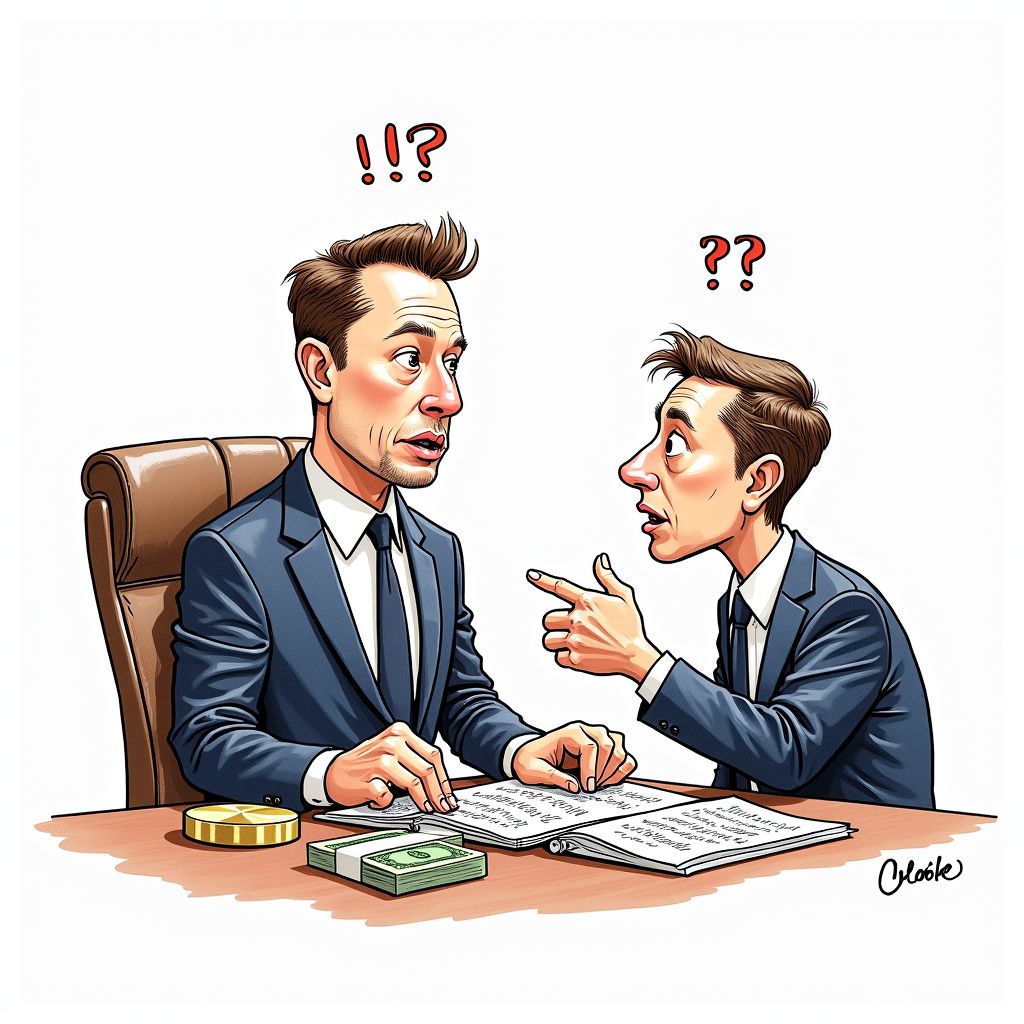
San Francisco, Monday, 16 March 2026.
A federal judge has blocked OpenAI from questioning Elon Musk about his alleged ketamine use during the upcoming April 2026 trial over his staggering $134 billion damages claim.
Setting the Boundaries of the Courtroom
During a series of pre-trial hearings in mid-March 2026, U.S. District Judge Yvonne Gonzalez Rogers made crucial preliminary rulings regarding the evidence permissible in the impending jury trial [2][7][8]. Scheduled to commence in Oakland, California, on April 27 or 28, 2026 [alert! ‘Sources conflict on the exact start date, citing both April 27 and April 28’], the four-week trial will pit Tesla (TSLA) [GPT] CEO Elon Musk against OpenAI and its chief executive, Sam Altman [1][4][7]. The core of the legal dispute rests on Musk’s allegations that he was defrauded when the artificial intelligence company abandoned its original nonprofit mission—a structure he financially supported during its nascent years [1][6][8]. While Judge Gonzalez Rogers barred OpenAI’s legal counsel, represented by William Frentzen, from questioning Musk about his alleged use of ketamine during early negotiations, she did concede to limited inquiries regarding his attendance at the Burning Man festival [1][2][7]. Frentzen successfully argued that “a lot of significant communications” between Musk and OpenAI leadership occurred at the desert event [GPT], whereas the judge deemed the ketamine allegations irrelevant without concrete proof of the drug’s impact on Musk’s decision-making [1][2].