Ambassador Huckabee Backs Biblical Land Claims Extending Across Middle East
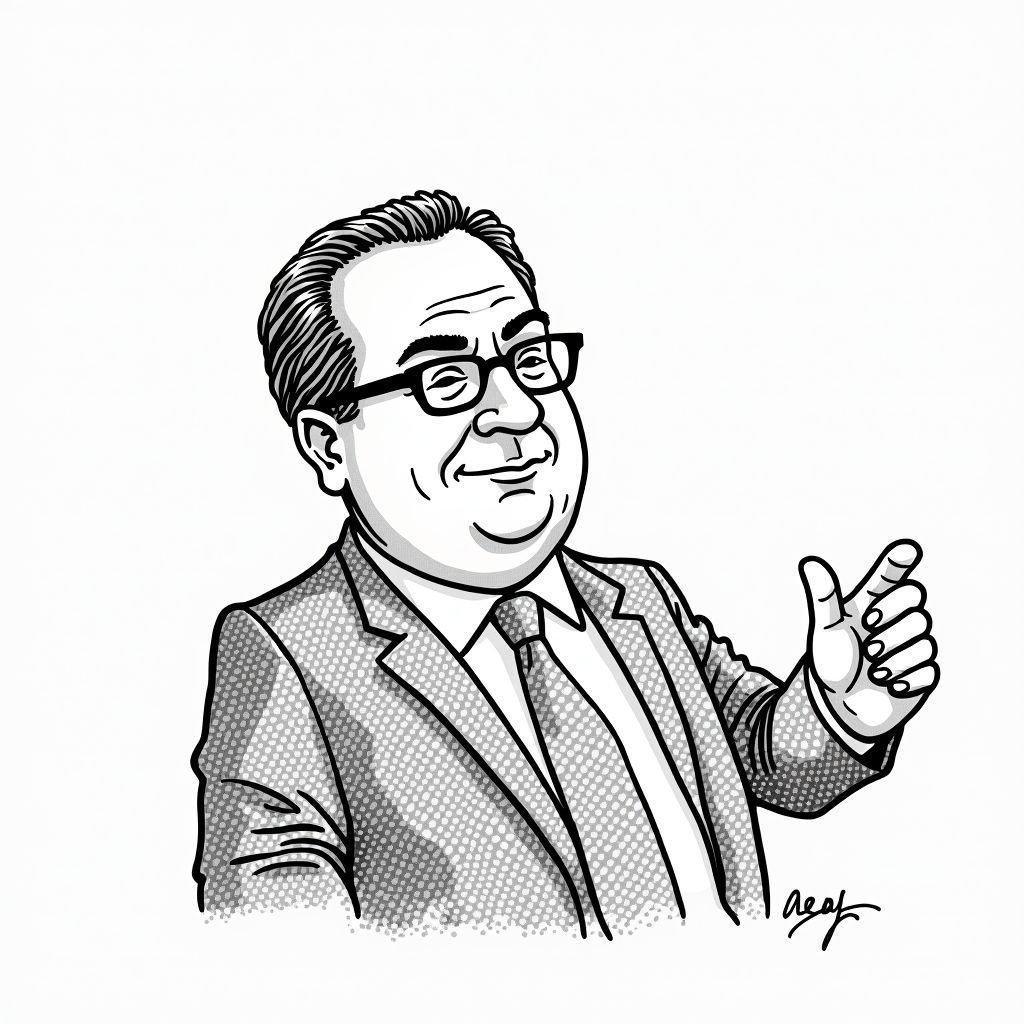
Jerusalem, Friday, 20 February 2026.
In a February 20 interview, Ambassador Huckabee stated it would be “fine” if Israel claimed biblical territory extending to the Euphrates, noting Gaza’s economy could have rivaled Singapore.
Biblical Interpretations and Geopolitical Realities
In a conversation released on Friday, February 20, 2026, U.S. Ambassador Mike Huckabee addressed the concept of “Greater Israel” based on Old Testament scripture [1]. When pressed by commentator Tucker Carlson regarding whether Israel has a right to territory extending from the “wadi of Egypt to the great river, the Euphrates,” Huckabee affirmed that “it would be fine if they took it all” [1][4]. This interpretation of Genesis 15 suggests a divine right to a landmass significantly larger than the current State of Israel, a stance that aligns with specific threads of Christian nationalist ideology but diverges from standard international diplomatic borders [1].
Geographic Scope of the Claims
The geographical implications of this biblical definition are extensive. Carlson noted that strictly applying these borders would encompass not only modern-day Israel but also the entirety of Jordan, Syria, and Lebanon, as well as significant portions of Saudi Arabia and Iraq [1][4]. While Ambassador Huckabee conceded he was “not sure it would go that far,” he maintained that the divine promise involved “a big piece of land” given to a chosen people for a specific purpose [1]. This rhetoric signals a shift in diplomatic discourse, moving away from secular statecraft toward theological justification for territorial control.
Economic Visions for the Region
Beyond theology, the discussion touched on the economic trajectory of the conflict zones. Huckabee argued that the Gaza Strip possessed the potential to become a global financial and trade hub similar to Singapore, contrasting this potential with its current state [2]. This comparison serves to highlight the economic opportunity costs of the ongoing conflict and governance issues within the region. By invoking Singapore—a model of rapid economic development and stability—Huckabee suggested that political choices, specifically the influence of Hamas, derailed Gaza’s ability to evolve into a prosperous enclave [2].
Tensions Over Security Protocols
The interview took place against a backdrop of friction between Carlson and Israeli authorities. On February 18, 2026, Carlson claimed he was detained at Ben Gurion International Airport, alleging that security personnel seized his passports and interrogated his team specifically regarding their meeting with Ambassador Huckabee [5]. However, both the Israel Airports Authority and the U.S. Embassy in Jerusalem refuted these claims, stating that Carlson underwent standard security questioning applicable to all visitors, including diplomats [1][5]. Former Israeli Prime Minister Naftali Bennett publicly criticized Carlson’s characterization of the incident, labeling the host a “phony” on social media [1].
Diverging Conservative Perspectives
This incident underscores a widening rift within American conservatism regarding the U.S.-Israel relationship. While Huckabee represents traditional evangelical support for the Jewish state, Carlson has increasingly questioned U.S. aid to Israel and has moved from the center to the fringe of the movement, occasionally hosting figures known for extremist views [1][5]. The clash over the airport protocol highlights the tension between established diplomatic norms, defended by Huckabee, and the more confrontational, isolationist stance adopted by Carlson [1].