Germany Floats 2026 World Cup Boycott Amid US Tensions Over Greenland
Zurich, Sunday, 18 January 2026.
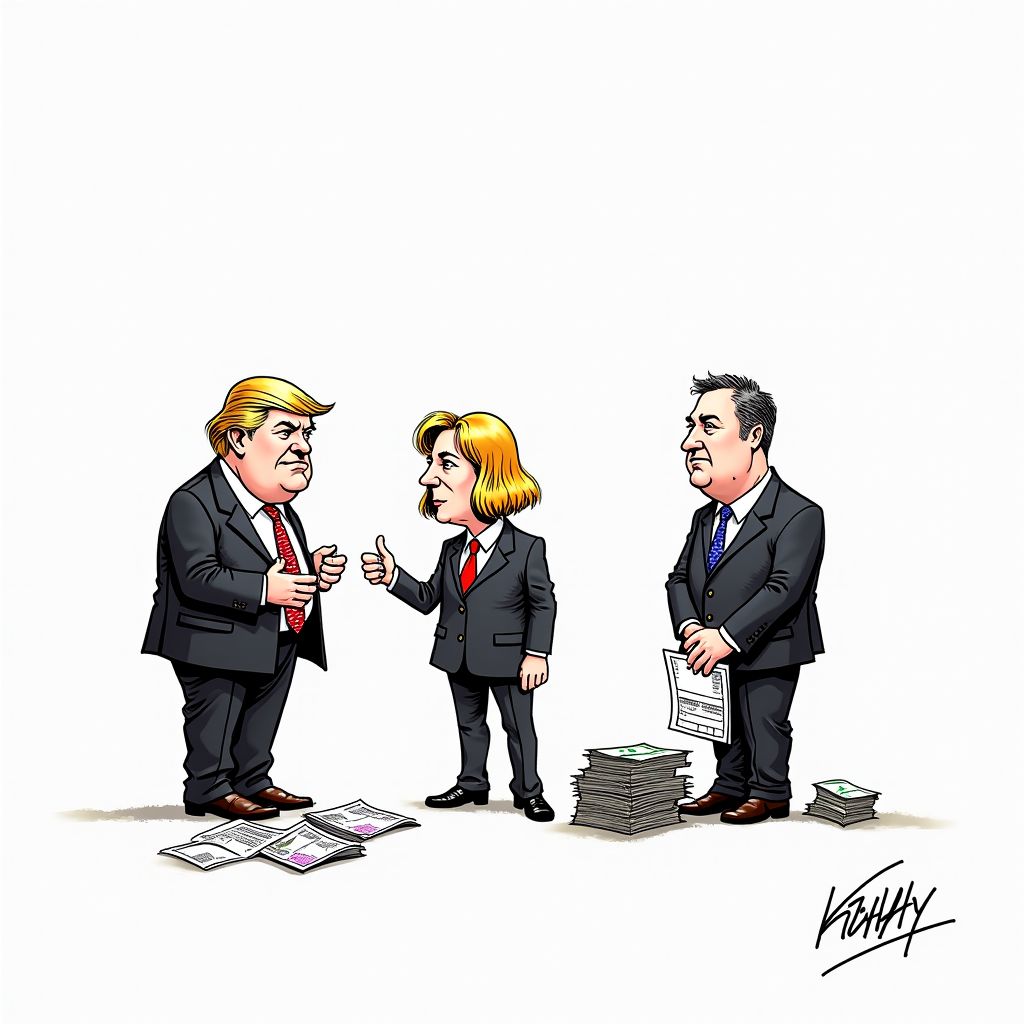
German officials view a World Cup boycott as a “last resort” to halt US ambitions to annex Greenland, creating a severe diplomatic standoff just months before kickoff.
Diplomatic Ultimatums and Territorial Disputes
The prospect of a fractured World Cup has moved from theoretical to tangible as senior German politicians articulate specific threats regarding the tournament. Jürgen Hardt, the foreign policy spokesman for Germany’s ruling CDU/CSU parliamentary group, has explicitly stated that withdrawing from the competition is being considered a “last resort” to compel President Trump to abandon his pursuit of annexing Greenland [2][3][5]. While Hardt expressed confidence that NATO allies would eventually reach a security understanding, this marks the first instance a high-ranking official has formally suggested a boycott [2]. The friction stems from President Trump’s renewed insistence on acquiring the semi-autonomous Danish territory for national security purposes, a move he claims is necessary to preempt potential Russian or Chinese encroachment [2][3].
Strategic Interests and Corporate Fallout
The geopolitical standoff is further complicated by the specific strategic utility the US assigns to the region. President Trump has articulated plans to utilize Greenland for hosting the “Golden Dome” missile defense system [3]. Despite the influx of European military reinforcements to support Denmark, White House spokeswoman Karoline Leavitt affirmed that the presence of NATO soldiers would not deter the President’s objectives [5]. This steadfastness has led to fears within the European Union that unilateral American actions could threaten the stability of the North Atlantic Alliance and the post-war security order [5].
Operational Risks on American Soil
Operational concerns within the host nation are also mounting as the tournament approaches. There are reports of Immigration and Customs Enforcement (ICE) agents conducting raids in major host cities such as Chicago and Los Angeles, creating a potentially hostile environment for international visitors [1]. This is particularly concerning for nations with specific demographic profiles; for instance, Brazil is scheduled to play Scotland in Miami on June 24, 2026, against a backdrop where 2,500 Brazilians were deported from the US in 2025 [1]. Similarly, political sensitivities surround the match between Iran and New Zealand, slated for June 16, 2026, in Los Angeles [1].